Nomad & Expat Life
Cost of Living for Digital Nomads in Tbilisi: The Real Numbers
Tbilisi cost of living for digital nomads in 2025 - real numbers for rent, food, coworking, transport, and more.


Tbilisi has become one of Europe's most talked-about digital nomad destinations - and for good reason. The Georgian capital offers a 365-day visa-free stay for 95+ nationalities, a 1% tax rate for freelancers, fast internet, and a cost of living that lets you live comfortably on half what you'd spend in Western Europe.
But with prices rising since 2022, the question is: how much does Tbilisi actually cost today?
Here are the real numbers.
Quick Summary:
Monthly rent ranges from $350-700 for a decent one-bedroom apartment in central neighborhoods
A comfortable digital nomad budget sits between $1,000-1,500/month including all expenses
Coworking spaces cost $40-160/month depending on the facility
Eating out remains affordable at $5-15 per meal at local restaurants
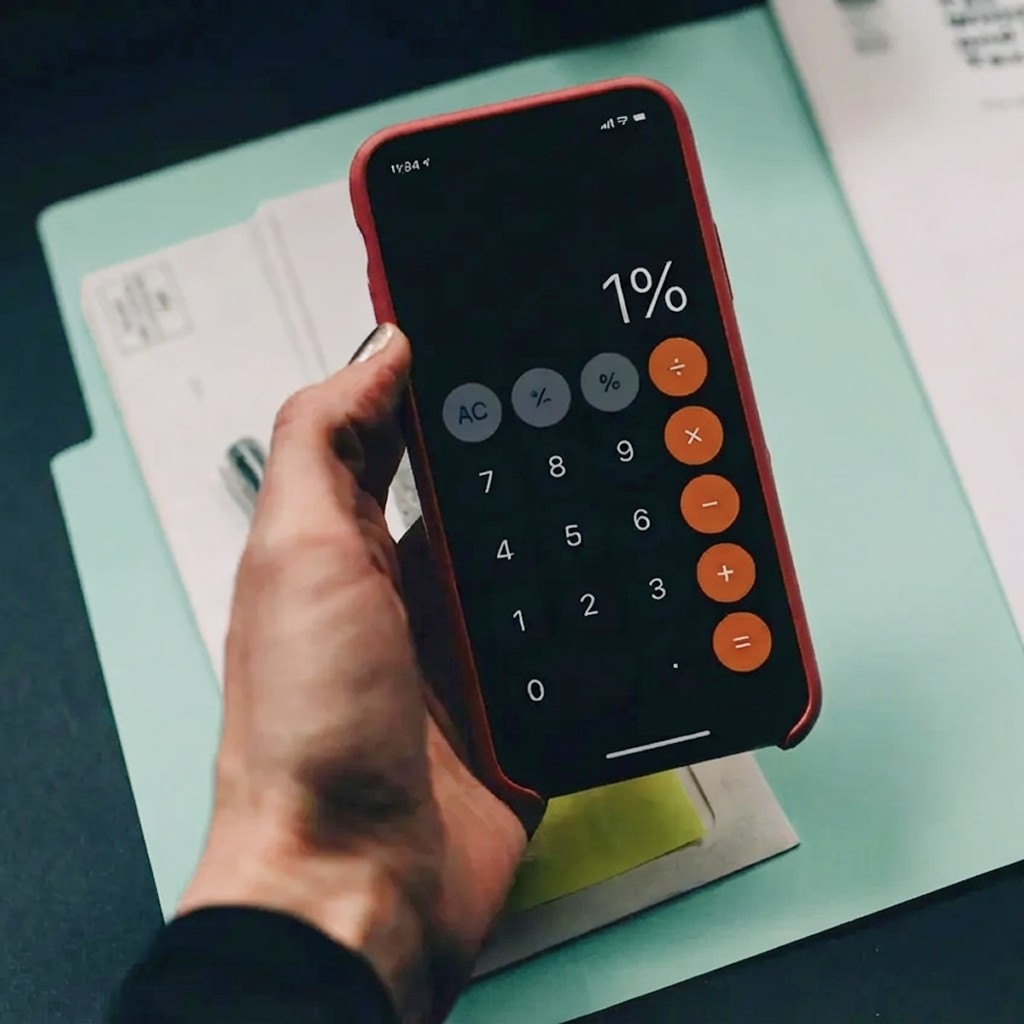
The 1% tax rate for Individual Entrepreneurs makes Georgia one of the most tax-efficient bases for freelancers
Register as an Individual Entrepreneur in Georgia
Pay 1% Tax. Legally.
We handle registration, tax setup, and Small Business Status in 3 days. You walk out with a business certificate and start invoicing the same day.
Free Consultation
Fully Compliant
3-Day Setup
Monthly Cost Breakdown for Digital Nomads
Accommodation
Rent is typically your biggest expense in Tbilisi, and prices vary depending on the neighborhood, apartment quality, and whether you're renting short or long-term.
For a furnished one-bedroom apartment in popular nomad neighborhoods like Vera, Vake, or Saburtalo, expect to pay $400-700/month. Studios run slightly cheaper at $300-500/month. Older buildings with character in Sololaki or the Old Town can go for $350-500, though they may lack modern conveniences. Premium new builds with amenities like gyms and doormen cost $700-1,000+.
Airbnb prices for monthly stays typically run 20-40% higher than direct rentals. For better deals, check Facebook groups like "Apartments for daily and monthly rent in Tbilisi" or local listing sites like SS.ge and Myhome.ge. Many landlords prefer cash payments in USD.
Utilities add $50-100/month depending on the season. Winter heating can push this higher, especially in older buildings with gas heating.
Coworking Spaces and Cafes
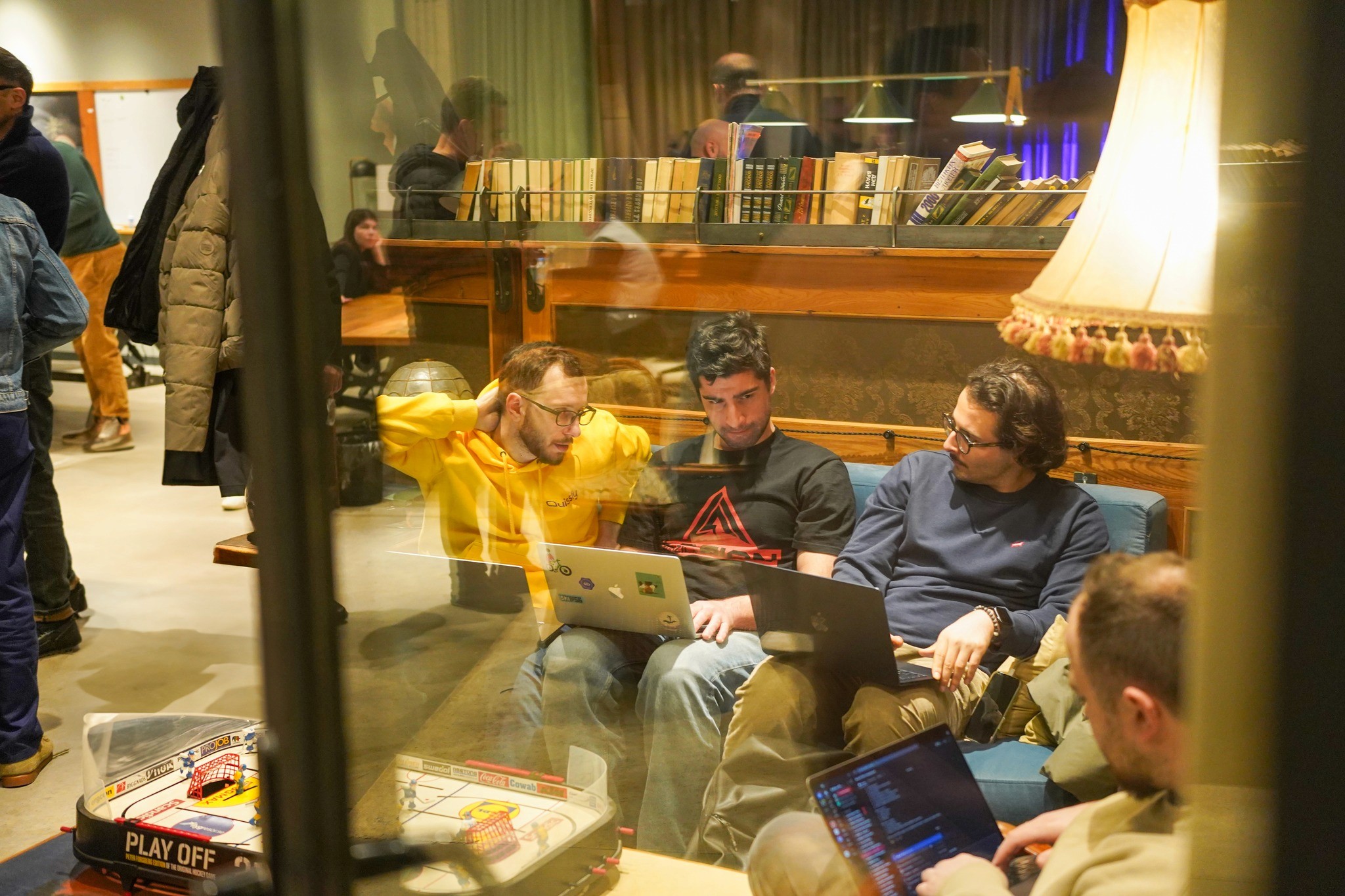
Tbilisi has a solid coworking scene with options at every price point.
Impact Hub at Fabrika remains the most popular spot for the social nomad crowd - day passes cost around 40 GEL ($15), with monthly memberships starting at 400 GEL ($150). The location inside the trendy Fabrika complex means easy access to bars, cafes, and events after work.
Terminal operates five locations across the city and offers a more corporate environment. Dedicated desks run around 425 GEL/month ($160), with day passes at 30 GEL ($11).
D Block at Stamba Hotel caters to the premium crowd - expect to pay 40 GEL/day or 500 GEL/month ($185) for access to one of the city's most stylish workspaces.
Budget-friendly options include SpaceZ in Saburtalo at 150 GEL/month ($55) for a hot desk, and Ano Cowork near Akaki Tsereteli Avenue offering monthly memberships for around $94.
Many digital nomads skip coworking altogether and work from cafes. Wifi speeds are generally reliable at 50-100 Mbps in most establishments, and a coffee and pastry will run you $3-5.
Food and Groceries
Food costs in Tbilisi vary wildly depending on your eating habits.
Groceries run $120-200/month for one person. Supermarket chains like Carrefour, Goodwill, and Smart have reasonable prices for basics, though imported products cost significantly more. Local markets offer fresh produce at lower prices - the Dezerter Bazaar is worth checking out.
Eating out at local spots remains cheap. A filling meal of khinkali (Georgian dumplings) or khachapuri (cheese bread) costs 15-25 GEL ($5-9). Mid-range restaurants run 30-60 GEL ($11-22) per person for a full meal with wine. Upscale dining starts around 80-150 GEL ($30-55).
Ordering khinkali? They're priced per piece at around 1-2 GEL each, with a typical order being 5-10 dumplings.
Wine is exceptionally cheap - expect to pay $2-4 for a glass of house wine at restaurants, or pick up a quality bottle from a wine shop for $8-15. Beer runs 8-15 GEL ($3-5) at bars.
Budget $200-300/month if you cook most meals and eat out occasionally. If you prefer dining out regularly, budget $350-500/month.
That said, expensive, international restaurants can balloon that budget pretty significantly.
Transportation
Public transport is dirt cheap. A metro or bus ride costs 1 GEL ($0.37) with free transfers within 90 minutes. A monthly transport card costs around 40 GEL ($15).
Taxis via Bolt typically run 5-15 GEL ($2-5) for trips within the central area. Longer rides across the city rarely exceed 25-30 GEL ($9-11). Avoid Yandex and stick to Bolt for reliability and price transparency.
Most digital nomads spend $30-60/month on transportation, depending on how often they venture beyond walking distance.
Mobile Data and Internet
Home internet with fiber optic connections runs 40-80 GEL/month ($15-30) for speeds of 100-200 Mbps. Most rental apartments include internet in the price or charge a small additional fee.
SIM cards from local providers like Magti or Geocell offer excellent 4G coverage. A monthly plan with 15-30 GB of data costs 25-40 GEL ($9-15). Topping up is easy through bank apps or convenience stores.
Entertainment and Social Life
Tbilisi punches above its weight for nightlife and culture.
Bar drinks cost 8-15 GEL ($3-5) for beer, 20-35 GEL ($7-13) for cocktails. Club cover charges run 20-60 GEL ($7-22) at popular techno venues.
Gym memberships range from 100-250 GEL/month ($37-92) depending on the facility. Budget gyms like Old School Gym or GYM 13 offer monthly rates around 130 GEL ($48), while premium spots like Oktopus Fitness or Snap Fitness charge 180-250 GEL ($67-92).
Day trips to nearby mountains, wine regions, or historical sites can be done cheaply via marshrutka (minibus) for 10-20 GEL ($4-7) each way. Guided tours typically cost $30-80 per person.
Budget $100-250/month for entertainment depending on how social you are.
Health and Fitness
Private doctor visits cost 70-150 GEL ($26-55). Pharmacies are well-stocked with affordable medications - many don't require prescriptions.
Travel insurance through providers like SafetyWing costs $45-70/month and covers most medical emergencies.
The traditional sulfur baths in the Old Town offer a unique Georgian wellness experience for 30-150 GEL ($11-55) depending on the room type.
Sample Monthly Budgets
Budget Nomad ($800-1,000/month)
Rent: $350-450 (studio or room in shared apartment outside city center)
Food: $150-200 (cooking at home, occasional eating out)
Coworking: $0-55 (cafe wifi or budget coworking)
Transport: $30
Phone/Internet: $15
Entertainment: $50-100
Miscellaneous: $50
This budget works if you're willing to live in a less central neighborhood, cook most of your meals, and keep entertainment costs low. It's tight but doable.
Comfortable Nomad ($1,200-1,500/month)
Rent: $500-650 (one-bedroom in Vera, Vake, or Saburtalo)
Food: $300-350 (mix of cooking and dining out)
Coworking: $100-150
Transport: $50
Phone/Internet: $20
Entertainment: $150-200
Gym: $50
Miscellaneous: $80
This is the sweet spot for most digital nomads. You can afford a nice apartment, eat well, work from proper coworking spaces, and enjoy Tbilisi's social scene without stressing about money.
Premium Nomad ($1,800-2,500/month)
Rent: $800-1,200 (modern apartment in prime location)
Food: $400-500 (regular dining out at mid to high-end restaurants)
Coworking: $150-200 (premium spaces)
Transport: $80 (frequent Bolt rides)
Phone/Internet: $30
Entertainment: $250-350
Gym: $80
Wellness/Self-care: $100
Miscellaneous: $150
At this level, you're living very comfortably - modern apartment, nice restaurants, premium gym, regular nights out, and weekend trips around Georgia.
Hidden Costs and Things to Know
Winter utilities jump significantly - gas heating can add $50-100/month to your costs from November through March. Ask potential landlords about average winter utility bills before signing.
Prices fluctuate seasonally. Summer months (June-September) see higher rents as tourists flood the city. Consider arriving in October or November for better deals on long-term rentals.
The 1% tax advantage requires proper setup. To qualify for Small Business Status as an Individual Entrepreneur, you must register with the Revenue Service, file monthly declarations, and keep your annual turnover under 500,000 GEL (approximately $180,000). Certain activities like consulting are excluded. Budget $200-300 for a local accountant to set this up correctly.
Bank accounts are surprisingly easy to open. Bank of Georgia and TBC Bank both welcome foreigners with just a passport. Georgian Lari accounts offer attractive interest rates (often 8-12% on term deposits).
The language barrier is manageable. Young Georgians in service industries generally speak English. Download a translation app for interactions with older locals or in areas outside the tourist zone.
FAQ
How much money do I need per month to live comfortably in Tbilisi as a digital nomad?
Most digital nomads live comfortably on $1,200-1,500 per month. This covers a nice one-bedroom apartment, regular dining out, coworking membership, and an active social life. Budget travelers can manage on $800-1,000 with some compromises on accommodation and eating habits.
Is Tbilisi still cheap compared to other digital nomad destinations?
Tbilisi remains affordable but is no longer the bargain it was before 2022. Prices have risen 20-40% since then, and some nomads report costs rivaling cheaper parts of Europe. That said, the combination of low rent, cheap transport, affordable dining, and the 1% tax rate still makes it competitive with destinations like Lisbon, Mexico City, or Bangkok.
How does the 1% tax rate work for freelancers in Georgia?
Georgia offers a 1% turnover tax for Individual Entrepreneurs with Small Business Status. You pay 1% of your gross revenue up to 500,000 GEL annually (around $180,000). To qualify, you must register as an IE, apply for SBS, file monthly declarations, and work solo without employees. Certain services like consulting, legal work, and medical services are excluded from this scheme.
What are the best neighborhoods for digital nomads in Tbilisi?
Vera offers the best balance of central location, cafe culture, and residential charm - most nomads gravitate here. Vake is greener and more upscale, popular with families and those who prefer quieter surroundings. Saburtalo is more residential with lower rents and good coworking access. Sololaki and the Old Town have character but older infrastructure. Marjanishvili is up-and-coming with a hipster vibe.
How fast and reliable is the internet in Tbilisi?
Home internet typically runs 50-200 Mbps with fiber optic connections available in most central areas. Wifi at coworking spaces and cafes generally ranges from 30-100 Mbps. Power outages are rare in central neighborhoods. Mobile 4G coverage from Magti and Geocell is excellent throughout the city.
Can I open a bank account in Tbilisi as a foreigner?
Yes, and it's straightforward. Bank of Georgia and TBC Bank both open accounts for foreigners with just a passport. You can apply online and verify your identity at a branch. Georgian accounts offer high interest rates on Lari deposits and come with international debit cards. Most banks have English-speaking staff and English mobile apps.
What's the visa situation for digital nomads in Georgia?
Citizens of 95+ countries can enter Georgia visa-free and stay for up to 365 days. You can leave and re-enter immediately for another year - there's no limit on re-entries. The "Remotely from Georgia" digital nomad program is also available, requiring proof of $2,000 monthly income or $24,000 in savings.
Is Tbilisi safe for digital nomads?
Tbilisi is generally very safe, with low violent crime rates. Most nomads report feeling comfortable walking alone at night in central areas. The main safety concerns are aggressive drivers (pedestrian infrastructure is poor) and occasional petty theft in tourist areas. Keep your belongings secure in crowded spots and use common sense.
What are the downsides of living in Tbilisi?
Common complaints include chaotic traffic, poor sidewalks and pedestrian infrastructure, cigarette smoke in some venues, construction noise (especially in summer), and limited healthy food options beyond traditional heavy Georgian cuisine. Some nomads also report difficulty connecting with locals beyond surface-level interactions, though the expat community is welcoming.
When is the best time of year to move to Tbilisi?
Spring (April-May) and autumn (September-October) offer the best weather and reasonable prices. Summer brings heat and higher rents from tourist demand. Winter is cold but manageable, with lower rents and fewer crowds. Arriving in autumn gives you time to settle before winter and negotiate better long-term rental rates.
Final Thoughts
Tbilisi offers a rare combination for digital nomads: European culture without European prices, generous visa policies, and a tax system that lets freelancers keep almost all their income. Yes, prices have risen since the city became popular, but it still delivers solid value for money. A comfortable monthly budget of $1,200-1,500 goes a long way here - and if you register for the 1% tax, your effective savings compared to most Western countries are substantial. Do your research, join expat Facebook groups before arriving, and give yourself a few weeks to find the right neighborhood and apartment. Tbilisi rewards those who take the time to settle in properly.