Nomad & Expat Life
Internet Speed in Tbilisi: What Digital Nomads Need to Know
Tbilisi offers 50-100 Mbps home broadband and reliable 4G mobile data. Get the full breakdown on providers, SIM cards, coworking speeds, and WiFi tips.

Internet Speed in Tbilisi: What Digital Nomads Need to Know
Tbilisi has earned its reputation as a rising digital nomad hub for good reason.
The Georgian capital combines affordable living with solid connectivity - but what does that look like for remote workers who depend on stable internet?
This guide breaks down everything from home broadband speeds to mobile data plans, helping you set realistic expectations before you arrive.
Quick Summary:
Home broadband typically delivers 50-100 Mbps, with fiber plans reaching up to 300 Mbps
Mobile data averages 20-60 Mbps on 4G, with 5G rolling out in central districts
Coworking spaces offer the most reliable speeds, often exceeding 200 Mbps
Magti is the preferred provider among expats for its coverage and reliability
Power outages happen occasionally - always have a mobile data backup plan
Average Internet Speeds in Tbilisi
Tbilisi's internet infrastructure has improved dramatically over the past few years. Fiber-optic connections are available in most urban neighborhoods, making the city competitive with many European capitals.
Home broadband speeds typically range from 50 to 100 Mbps, depending on your provider and neighborhood. Fiber plans can deliver speeds up to 300 Mbps in well-connected areas like Vake, Saburtalo, and central Tbilisi. You can expect to pay around 50 GEL (roughly $18-20 USD) per month for a 50 Mbps connection through providers like Silknet.
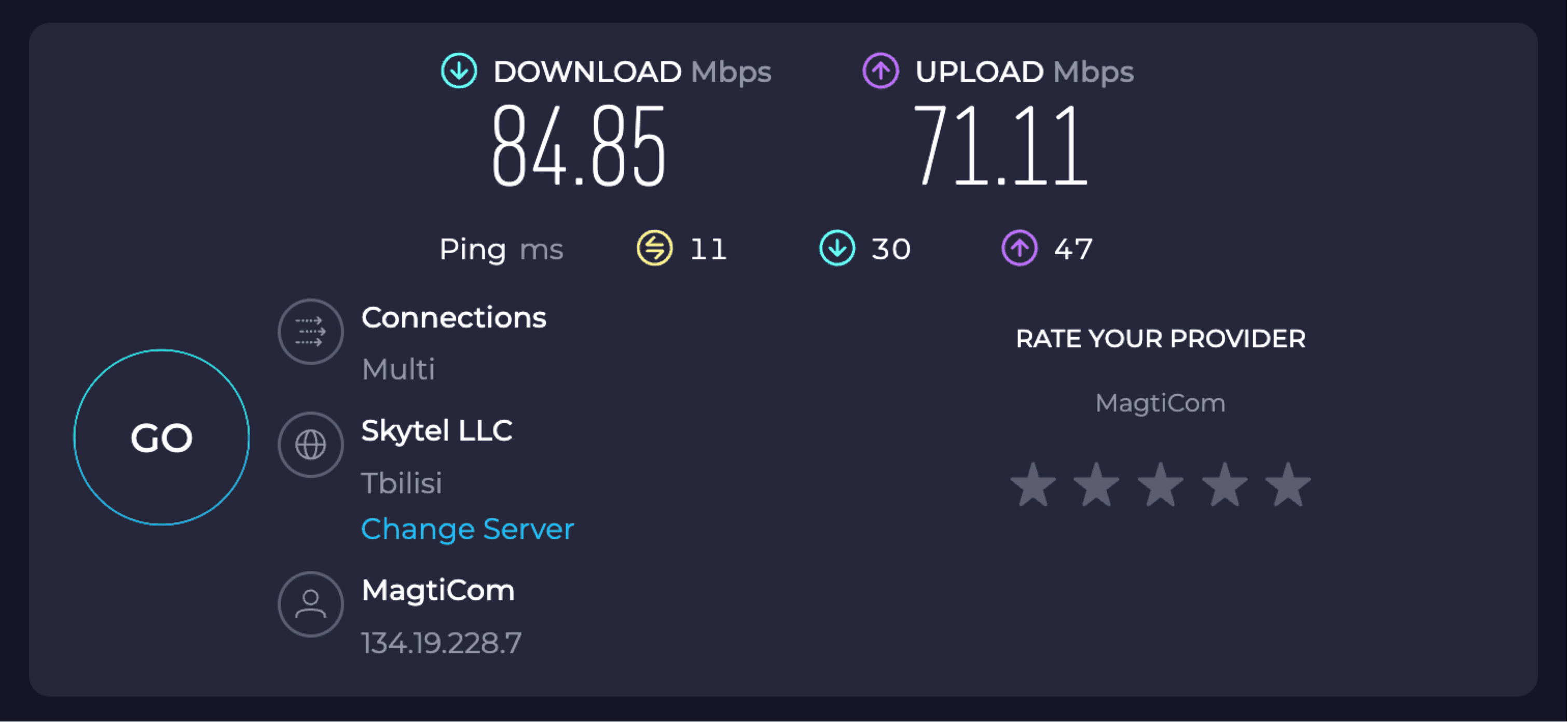
Mobile data performance varies by provider and location, but you can generally count on 20-60 Mbps with 4G coverage. All three major providers have been expanding their 5G networks, with Magti now offering 5G across most populated parts of Georgia. Central Tbilisi - from Freedom Square through Vake - has the best mobile coverage.
Cafe and public WiFi speeds hover around 20-40 Mbps on average, which is sufficient for most tasks but may frustrate power users during video calls or large file uploads.
Internet Providers and SIM Cards
Georgia has three main mobile operators, each with their own strengths:
Magti is the market leader and the top choice among long-term expats. They offer the best network coverage across Georgia (covering 99% of populated areas), including reliable service in the Tbilisi metro stations and remote regions. Magti has also rolled out 5G on 700MHz, 2600MHz, and 3400-3700MHz bands. The SIM card costs 10 GEL in official stores.
Silknet (formerly Geocell) is the second largest provider with competitive pricing and strong urban coverage. They were the first to launch 5G in Tbilisi, and their eSIM system is considered the most user-friendly for travelers. Silknet also operates as a home internet provider, making it convenient if you want to bundle services.
Cellfie (formerly Beeline) offers the cheapest plans but has the weakest coverage outside major cities. Their unlimited data plan for 5 GEL per week sounds attractive, but signal quality drops significantly in rural areas and even some parts of outer Tbilisi.
Where to Buy a SIM Card
At the Airport - All three providers have kiosks in the arrivals hall at Tbilisi International Airport. Prices are slightly higher than city stores, but it is convenient if you want connectivity immediately.
City Stores - The flagship stores on Rustaveli Avenue offer better deals and a wider range of packages. Bring your passport - registration is required by law.
Typical Data Package Prices:
Magti offers tourist packages starting at 15 GEL for 5GB over 15 days, with unlimited monthly packages around 32 GEL.
Silknet tourist packages start at 15 GEL for 4GB over 15 days.
Cellfie has the cheapest rates - 10GB with unlimited calls for 12 GEL, or 20GB for 25 GEL.
For digital nomads staying longer than a few weeks, the unlimited monthly packages (around 32 GEL for Magti or Silknet) offer the best value.
Both Magti and Silknet support eSIM activation, though you will still need to visit a store in person with your passport for setup.
Best Neighborhoods for Connectivity
Not all parts of Tbilisi offer the same internet experience. These neighborhoods are known for reliable connectivity:
Vake is an upmarket residential area with excellent fiber coverage and plenty of cafes with strong WiFi. Terminal has multiple coworking locations here. The area attracts many international residents and freelancers.
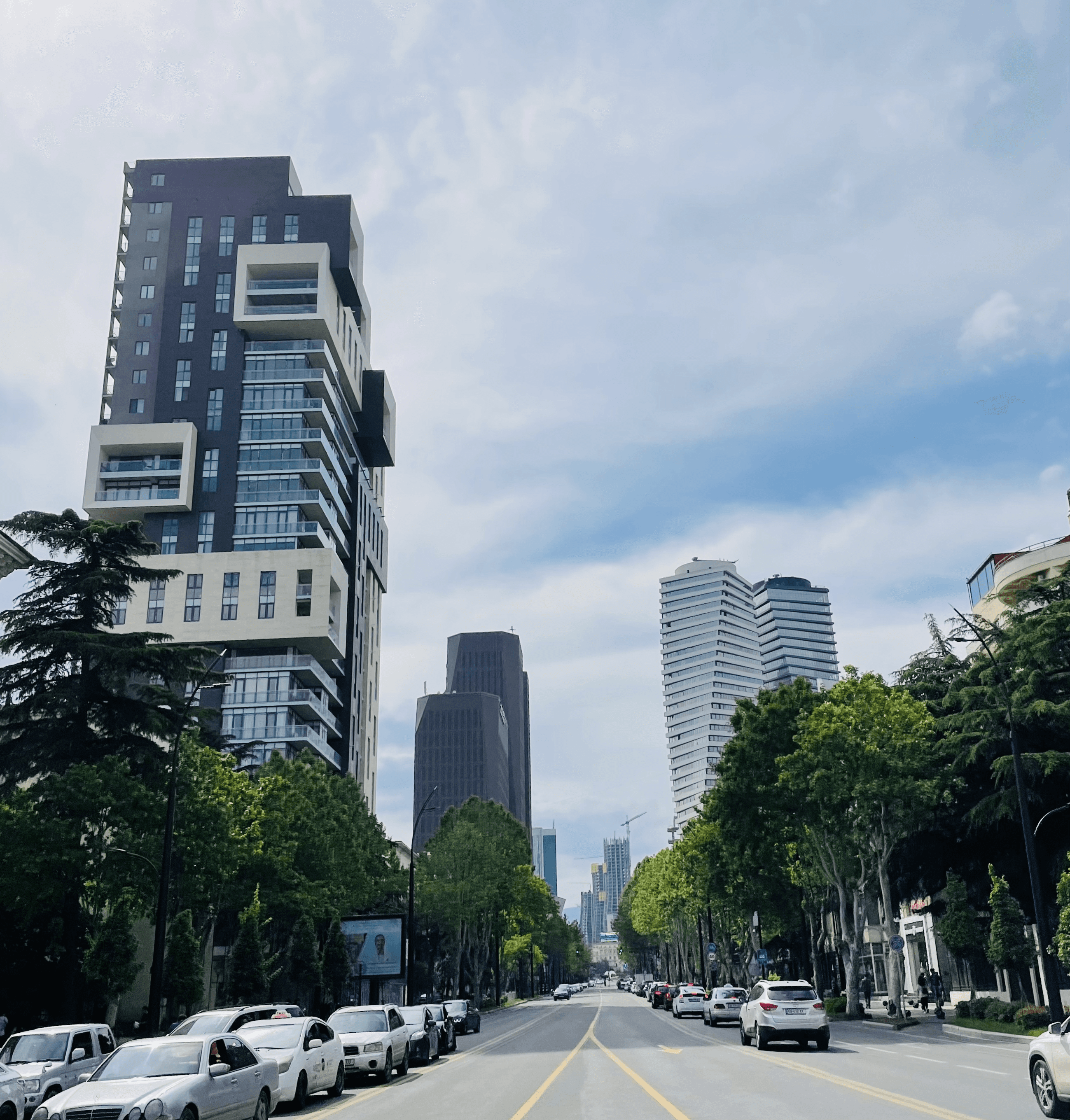
Saburtalo combines affordability with good infrastructure. It has solid metro coverage and several coworking options. The neighborhood is popular with students and young professionals, and you will find reliable connectivity throughout.
Vera sits near Rustaveli Avenue and strikes a balance between quiet residential streets and lively cafe culture. Many expats settle here for its walkability and modern apartments with good internet.
Sololaki and Old Tbilisi have charm in abundance but connectivity can be inconsistent in older buildings. Check the internet speed before booking accommodation in this area.
Areas to be cautious about include very old buildings in any neighborhood (pre-Soviet era construction often has outdated wiring) and the outer suburbs where fiber coverage is less common.
Coworking Spaces with Reliable Internet
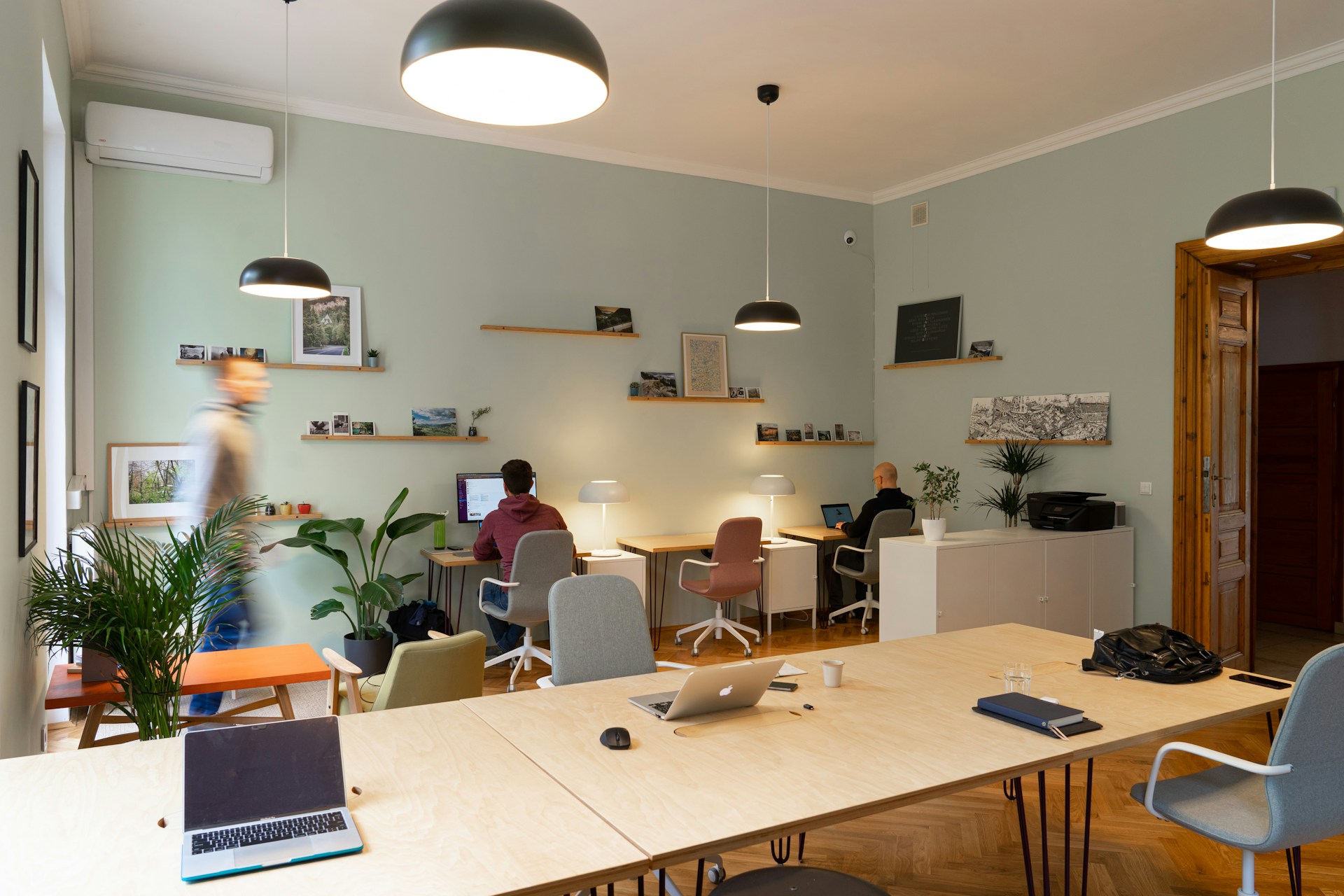
For consistent high-speed internet, coworking spaces are your best bet. Several offer speeds exceeding 200 Mbps.
Terminal operates six locations across Tbilisi - three in Vake, one in Saburtalo, and two in Marjanishvili. They offer professional environments with high-speed fiber, 24/7 access, ergonomic furniture, meeting rooms, and amenities like game rooms and kitchens. Day passes run about 40 GEL, with monthly memberships starting around $160 USD.
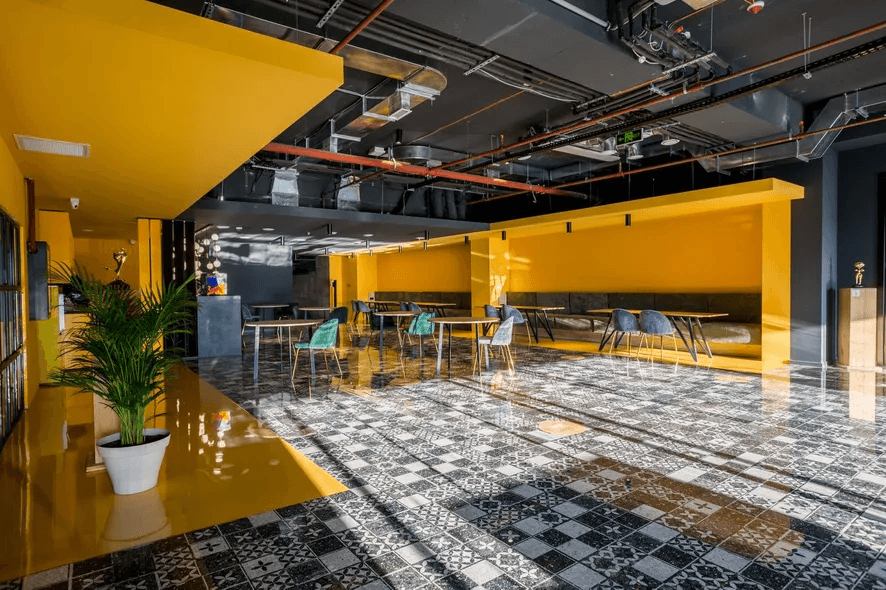
D Block occupies space within the historic Stamba building on Kostava Street. The 2,000 square meter workspace features private boxes, hot desks, phone booths, and meeting rooms. Internet speeds are consistently fast. Flexible desk access costs 500 GEL per month, with day passes at 40 GEL.
SpaceZ provides a minimalist environment focused on productivity. Their soundproof call booths make it ideal for those with frequent video meetings. The calm atmosphere and fast internet appeal to solo workers who need deep focus time.
Cafes with Good WiFi for Remote Work
Tbilisi's cafe culture is perfect for laptop work, though speeds vary significantly between venues.
Fabrika's courtyard has multiple cafes where you can work casually before heading into the Impact Hub coworking space. The atmosphere is creative and social, though it can get noisy during events.
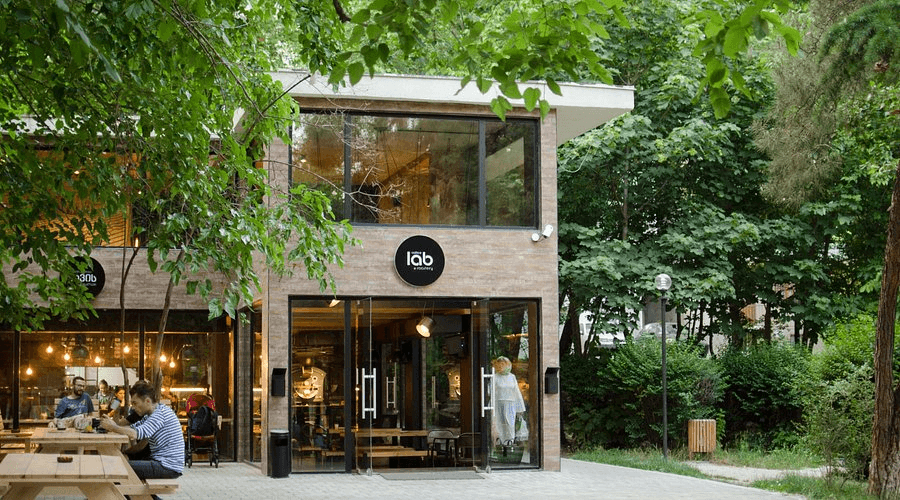
Coffee LAB takes its coffee seriously and provides generous table space, steady WiFi, and plenty of outlets. The upstairs loft feels almost like a coworking space. They have branches in Vera and Saburtalo.
Prospero's Books and Caliban's Coffeehouse combines a bookstore with a cafe - ideal for a change of scenery. The main location on Rustaveli Avenue has a 3-hour WiFi limit, but their branch inside the National Archives in Saburtalo has no limit and stays quieter.
Hurma on Melikishvili Street offers strong WiFi, big communal tables, and enough outlets to go around. It is popular in the mornings with a mix of freelancers and students. The menu covers everything from breakfast to dinner with plenty of vegetarian options.
Mziuri Cafe sits in a park setting with both indoor and outdoor seating. The peaceful atmosphere and free WiFi make it good for afternoon work sessions when you need a break from the city bustle.
Potential Issues and Backup Plans
Power outages happen occasionally in Tbilisi, especially in older buildings. If your work cannot tolerate interruptions, plan accordingly.
Mobile data as backup is essential. Get a local SIM card on arrival and keep it loaded with data. Magti's unlimited 4G plan (5 GEL per week) provides solid backup connectivity during outages.
Open WiFi networks are common throughout Tbilisi, but many have no password protection. This creates security risks - hackers can easily mimic open networks. Use a VPN for any sensitive work on public connections.
Apartment internet quality varies widely. Before booking long-term accommodation, ask the host about their provider and typical speeds. Better yet, request a speed test screenshot. Modern apartments in central neighborhoods generally have fiber connections, while older buildings may be stuck with slower DSL.
Coworking spaces remain the most reliable option when consistent connectivity matters for your work. The monthly cost is worth it if your income depends on stable internet.
Frequently Asked Questions
Is Tbilisi's internet fast enough for video calls?
Yes. Most apartments, cafes, and coworking spaces provide sufficient speeds for video calls. Home broadband typically delivers 50-100 Mbps, and coworking spaces often exceed 200 Mbps. You should run fine for Zoom calls, though multiple simultaneous calls in a shared apartment might strain slower connections.
Which mobile provider should I choose for the best coverage?
Magti offers the best overall coverage across Georgia, including reliable service in remote areas and inside the Tbilisi metro. Long-term expats overwhelmingly prefer Magti despite slightly higher prices. Cellfie is cheapest but has weaker coverage outside major cities.
Can I get by with just mobile data instead of home internet?
Many digital nomads do exactly this. Unlimited 4G plans cost around 32 GEL per month and provide 20-60 Mbps speeds. This works well for most remote work tasks. However, home fiber is more stable for frequent video calls and large file transfers.
How do I buy a SIM card at Tbilisi airport?
All three providers have kiosks in the arrivals hall at Tbilisi International Airport. Bring your passport - registration is required. The process takes about 5-10 minutes. Airport prices are slightly higher than city stores, but the convenience is worth it for immediate connectivity.
Are there free WiFi hotspots around Tbilisi?
Yes. Many cafes, restaurants, and public spaces offer free WiFi. The city also has "Tbilisi Loves You" public hotspots, though speeds are limited. Most accommodations include WiFi in the rental price.
Do I need a VPN in Georgia?
Georgia does not block websites or restrict internet access like some countries. However, using a VPN is smart for security on open WiFi networks and for accessing region-restricted content from streaming services. Many digital nomads use VPNs as standard practice regardless of location.
What happens during a power outage?
Power outages can interrupt home internet even if the lines stay up. Your best backup is mobile data - keep a charged SIM card ready. Coworking spaces and some cafes have backup generators. Older buildings in Tbilisi experience outages more frequently than newer construction.
How much does home internet cost in Tbilisi?
Budget around 50 GEL (roughly $18-20 USD) monthly for a 50 Mbps fiber connection. Faster plans up to 100-300 Mbps cost proportionally more. Many apartments include internet in the rental price, so check with your landlord before setting up a separate account.
Which neighborhood has the best internet for digital nomads?
Vake, Saburtalo, and Vera all have reliable fiber coverage and multiple coworking options. Central Tbilisi along Rustaveli Avenue also offers strong connectivity. Avoid very old buildings in any neighborhood if reliable internet is critical for your work.
Can I use eSIM in Georgia?
Yes. Magti and Silknet both support eSIM, though you typically need to visit a store in person for activation and passport registration. Global eSIM providers like Airalo work in Georgia but cost more than local plans.
Is the internet good enough for streaming or gaming?
Yes. With typical speeds of 50-100 Mbps on home broadband, streaming services work smoothly. Gaming depends on latency - you may experience higher ping times due to Georgia's geographic location. Serious gamers should test their specific games before committing to a longer stay.
Final Thoughts
Tbilisi delivers solid internet infrastructure for most remote work needs. While you may not find the lightning-fast speeds of Scandinavian capitals, the combination of affordable fiber broadband, reliable mobile data, and multiple coworking options makes it a practical base for digital nomads. Set up a mobile backup plan, choose your neighborhood wisely, and you will find Tbilisi's connectivity rarely gets in the way of your work.