Safety & Budget
Cost of Living in Tbilisi: A Breakdown for Expats & Nomads
Tbilisi cost of living breakdown for 2025 - covering rent, food, transport, and realistic monthly budgets for digital nomads and expats moving to Georgia.

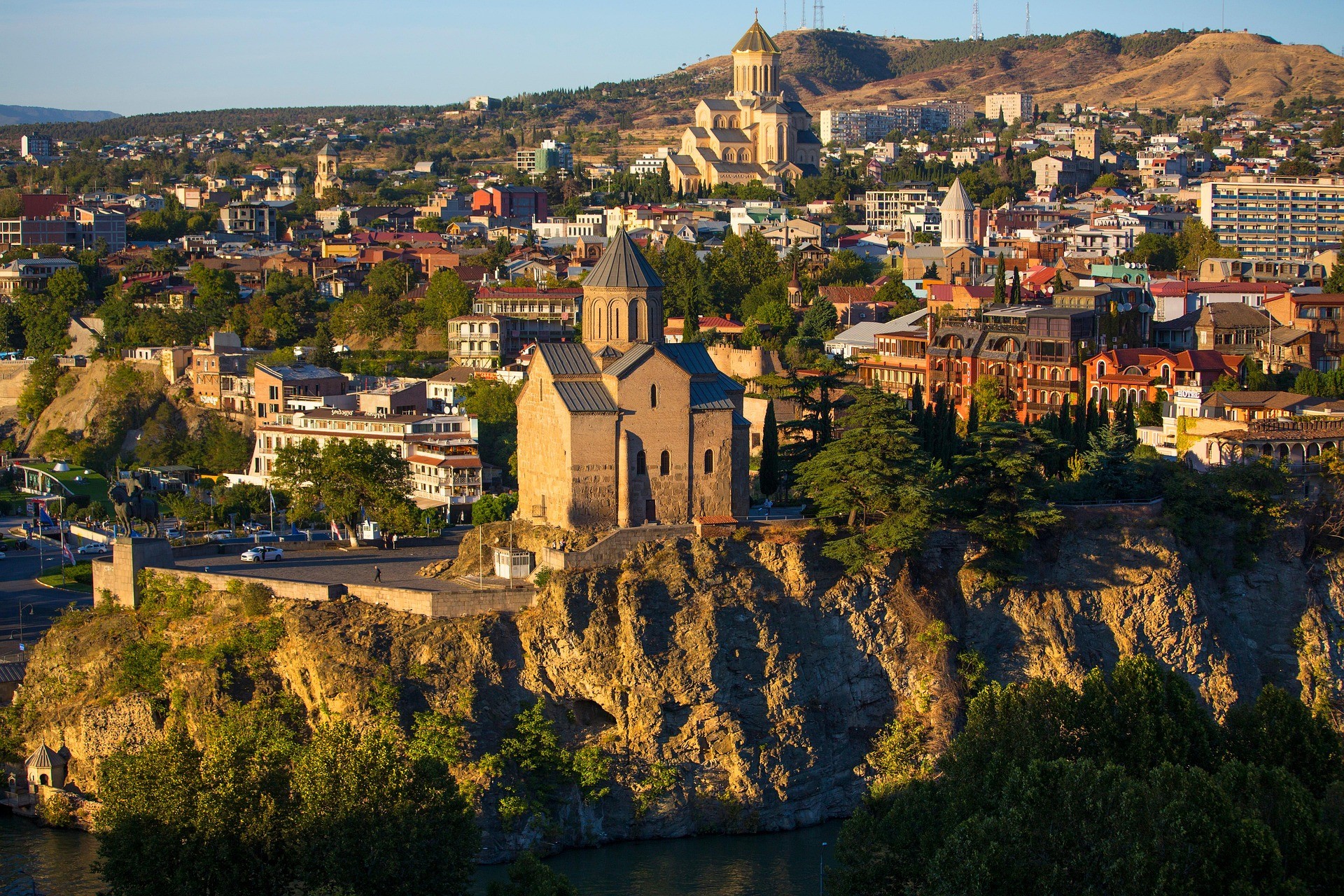
Tbilisi has earned its reputation as one of Europe's most affordable capitals - but prices have climbed since 2020.
The post-2022 influx of newcomers pushed rents and everyday costs higher, though they have since stabilized.
Georgia still offers serious value compared to Western cities, but the old "$500/month" nomad dream requires some adjustment. Here is what things actually cost in 2025.
Quick Summary:
Budget living: $800-1,000/month (basic apartment outside center, cooking at home)
Comfortable living: $1,200-1,500/month (nice 1-bedroom, eating out regularly)
Premium living: $1,800-2,500/month (modern apartment in Vake, full social life)
One-bedroom rent ranges from $450 in suburbs to $750+ in central areas
Utilities run $50-80/month in summer, $150-200+ in winter
Tbilisi Cost of Living Monthly Budget Summaries
Here’s a quick budget summary for every financial level. For a deeper review, keep reading!
Category | Budget ($800-1,000/mo) | Mid-Range ($1,200-1,500/mo) | Comfortable ($1,800-2,500/mo) |
|---|---|---|---|
Rent | $400-500 (studio, Saburtalo/Gldani) | $550-700 (1-bed, decent area) | $750-1,000 (1-bed, Vake/Vera) |
Utilities | $50-80 | $60-100 | $80-120 |
Groceries | $120-150 | $150-200 | $200-280 |
Transport | $20-40 | $50-80 | $80-120 |
Internet/Mobile | $25-35 | $25-35 | $30-40 |
Eating Out | $50-80 | $150-200 | $250-350 |
Entertainment | $50-80 | $100-150 | $150-250 |
Gym/Coworking | - | $40-60 | $100-180 |
Healthcare | - | - | $50-100 |
Miscellaneous | $50-80 | $75-100 | $100-150 |
Budget Level: Doable but tight. Cook most meals, live outside the center, use public transport, keep social spending low.
Mid-Range Level: Comfortable living. Nice apartment, regular restaurant meals, active social life, gym membership. This is where most nomads land.
Comfortable Level: Premium apartment, frequent dining out, regular nightlife, coworking membership, imported goods. Living well without worrying about costs.
Housing & Rent
Rent is your biggest expense and varies wildly depending on neighborhood and apartment condition.
Studio Apartments. In residential areas like Saburtalo, a furnished studio (40-50 sqm) with air conditioning and internet runs around $400-520/month. The same setup in trendy Vera or Sololaki costs $700-900/month. Short-term rentals on Airbnb run 30-50% higher than long-term contracts.
One-Bedroom Apartments. City center average: $650-750/month Outside center: $450-550/month. Neighborhoods like Vake and Vera command premium prices - expect $800-1,200 for a modern one-bedroom with good finishes. Saburtalo and Gldani offer the same square footage for 30-40% less.
Two-Bedroom Apartments. City center: $900-1,200/month. Outside center: $600-800/month. Families or those wanting a dedicated office space should budget for this range.
Rental Tips
Prices dropped roughly 12% in early 2025 as the market corrected from post-2022 highs. Landlords negotiate, especially for contracts of six months or longer. Deposits are typically one month's rent, sometimes two for furnished places.
All apartments come furnished in Georgia - this is standard practice. You will rarely find unfurnished options. Most listings include basic appliances: refrigerator, washing machine, stove, and often air conditioning.
Find listings on SS.ge, MyHome.ge, and Facebook groups like "Expats in Tbilisi" or "Tbilisi Rentals." Agencies like Remax operate here but charge fees.
Rent by Neighborhood
Neighborhood | 1-Bedroom | Vibe |
|---|---|---|
Vake | $700-1,000 | Upscale, cafes, parks, families |
Vera | $650-900 | Trendy, walkable, young professionals |
Saburtalo | $450-600 | Residential, metro access, affordable |
Sololaki/Old Town | $600-850 | Historic, touristy, charming |
Marjanishvili | $500-700 | Up-and-coming, nightlife |
Gldani | $350-500 | Budget, Soviet blocks, far from center |
Utilities
Utilities are separate from rent in Georgia. Expect seasonal variation - summer AC and winter heating drive costs up.
Monthly Breakdown (1-bedroom apartment)
Utility | Summer | Winter |
|---|---|---|
Electricity | 30-50 GEL ($11-18) | 80-150 GEL ($30-55) |
Gas (heating) | 10-20 GEL ($4-7) | 80-120 GEL ($30-44) |
Water | 3-8 GEL ($1-3) | 3-8 GEL ($1-3) |
Internet | 35-70 GEL ($13-26) | 35-70 GEL ($13-26) |
Building fee | 20-50 GEL ($7-18) | 20-50 GEL ($7-18) |
Total utilities: $40-70/month in summer, $100-150/month in winter
Older Soviet-era buildings with poor insulation can push winter heating costs much higher - up to 200+ GEL for gas in poorly insulated apartments. Newer buildings and renovated apartments are more efficient.
Electricity rates in Tbilisi decreased in early 2024 following regulatory changes. The tiered system means higher consumption costs more per kilowatt. Most expats fall into the standard residential tier.
Water is cheap - often under $5/month even with daily showers. The tap water in Tbilisi is generally safe to drink, though many prefer bottled for taste.
Groceries
Groceries remain affordable, though food inflation hit 6.6% in 2025. Local products stay cheap while imports cost more.
Weekly Grocery Budget
Budget shopper: $30-40/week
Average shopper: $50-70/week
Premium/imported goods: $80-100+/week
Common Prices
Item | Price (GEL) | Price (USD) |
|---|---|---|
Bread (500g) | 1.50-3 | $0.55-1.10 |
Milk (1 liter) | 4-6 | $1.50-2.20 |
Eggs (12) | 7-10 | $2.60-3.70 |
Chicken breast (1kg) | 18-25 | $6.60-9.20 |
Rice (1kg) | 4-7 | $1.50-2.60 |
Tomatoes (1kg) | 4-8 | $1.50-3 |
Apples (1kg) | 4-7 | $1.50-2.60 |
Local cheese (1kg) | 15-25 | $5.50-9.20 |
Wine (bottle) | 10-25 | $3.70-9.20 |
Where to Shop
Major supermarket chains include Carrefour, Nikora, Smart, Fresco, and Goodwill. Carrefour and Goodwill stock more imported products at higher prices. Nikora and Smart focus on local goods and offer better value.
Dezerter Bazaar and Navtlugi Market sell fresh produce at 20-30% below supermarket prices. The quality is excellent - Georgia grows phenomenal fruits and vegetables. Seasonal shopping saves money: tomatoes and cucumbers are cheap in summer, citrus in winter.
Imported items like cheddar cheese, specialty sauces, and American/European snacks cost similar to or more than home country prices due to import duties. Bring favorites from home or accept paying premium.
Monthly Grocery Budget
Cooking mostly at home: $150-200/month
Mix of cooking and eating out: $200-280/month
Minimal cooking: $100-150/month (supplemented by eating out)
Eating Out
Dining out remains one of Tbilisi's best values. Georgian cuisine is hearty, delicious, and cheap.
Budget Meals ($3-8). Street food, bakeries, and local canteens (called "sakhinkle" for khinkali or general Georgian restaurants) serve filling meals at rock-bottom prices. A khachapuri from a street bakery costs 5-8 GEL ($2-3). Five khinkali (the minimum order at most places) run 8-15 GEL ($3-5.50).
Mid-Range Restaurants ($8-20). Neighborhood restaurants serving Georgian classics cost 25-50 GEL ($9-18) for a full meal with drinks. You can eat well - salad, main course, bread, and wine - for under $15 per person.
Upscale Dining ($25-50+). Fine dining and international restaurants in central areas cost 70-130 GEL ($25-50) per person. Still reasonable by Western standards, but a noticeable step up.
Drinks
Item | Price (GEL) | Price (USD) |
|---|---|---|
Coffee (cafe) | 5-10 | $1.80-3.70 |
Beer (bar) | 6-12 | $2.20-4.40 |
Wine (glass) | 8-15 | $3-5.50 |
Cocktail | 15-25 | $5.50-9.20 |
Monthly Eating Out Budget
Occasional meals out: $100-150/month
Regular dining (3-4x/week): $200-300/month
Frequent dining + social life: $350-500/month
Note: Many restaurants add a 10% service charge automatically. Some touristy spots add 18% VAT on top of menu prices - check the fine print on menus. A 2024 law requires VAT to be included in displayed prices, but enforcement varies.
Transportation
Tbilisi is walkable in central areas, and public transport covers the rest cheaply.
Public Transport
Metro and bus: 1 GEL ($0.37) per ride Monthly pass: approximately 40 GEL ($15)
The metro runs two lines and covers major areas. Buses and marshrutkas (minibuses) fill the gaps. Buy a Metromoney card at any metro station - it works on all public transport.
Taxis
Bolt is the go-to app. Most trips within central Tbilisi cost 5-15 GEL ($2-5.50). Airport to city center runs 25-40 GEL ($9-15) via app - never take unmarked taxis at the airport.
Monthly Transport Budget
Public transport only: $15-25/month
Mix of public transport and occasional Bolt: $40-60/month
Regular Bolt usage: $80-120/month
Car Ownership
Not recommended for city living. Traffic is chaotic, parking is difficult, and fuel costs around 3.50 GEL/liter ($1.30). Car rentals for trips outside Tbilisi run $30-50/day.
Internet & Mobile
Georgia has excellent, affordable connectivity.
Home Internet
Providers: Magti, Silknet, Cellfie
60-100 Mbps fiber: 35-70 GEL ($13-26)/month Faster speeds available in most areas
Installation is usually free with a contract. Most apartments already have internet installed - often included in rent or easily transferred to your name.
Mobile Plans
Providers: Magti, Silknet, Beeline, Cellfie
Prepaid data plans: 25-35 GEL ($9-13)/month for unlimited data SIM cards available at provider shops, supermarkets, and kiosks with just a passport
Unlimited mobile data for under $15/month makes Georgia one of the cheapest places for connectivity. Coverage is excellent in cities and along major roads.
Coworking Spaces
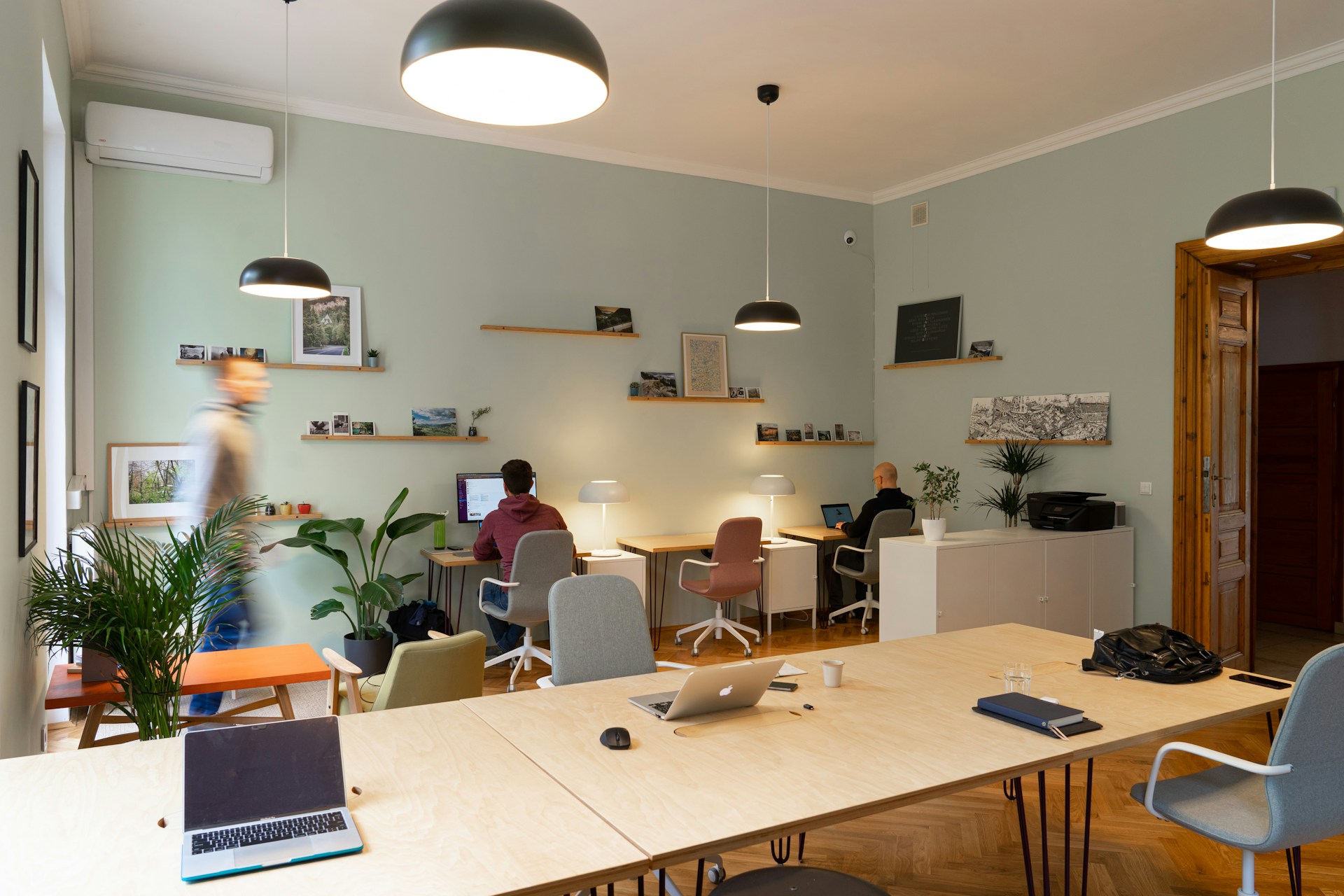
Tbilisi has a growing coworking scene catering to the nomad community.
Day Passes
Budget spaces: 18-25 GEL ($7-10)/day Mid-range spaces: 30-50 GEL ($11-18)/day Premium spaces: 50-80 GEL ($18-30)/day
Monthly Memberships
Space | Monthly Cost | Notes |
|---|---|---|
UG Startup Factory | ~100 GEL ($38) | Budget option, basic amenities |
SpaceZ | ~210 GEL ($78) | Calm atmosphere, good wifi |
Impact Hub (Fabrika) | 270-400 GEL ($100-150) | Popular with nomads, community events |
D Block (Stamba) | ~500 GEL ($185) | Premium, modern, great design |
Terminal | 400-600 GEL ($150-220) | Professional, multiple locations |
Regus | 480-800 GEL ($178-300) | Corporate, global network access |
Many cafes welcome laptop workers, though dedicated coworking offers better wifi reliability, meeting rooms, and community. Fabrika's Impact Hub remains the most popular nomad hub for networking.
Health & Fitness
Gym Memberships
Budget gyms: 80-130 GEL ($30-48)/month Mid-range (Oktopus, Snap Fitness): 130-200 GEL ($48-74)/month Premium (World Class, Prime Fit): 250-350 GEL ($92-130)/month
Day passes run about 10-15 GEL ($4-5.50) at most gyms. Many offer discounts for longer commitments - 3-month and annual packages cost significantly less per month.
Popular chains include Oktopus Fitness (multiple locations), Snap Fitness, and Aspria. Most include group classes in membership fees.
Yoga & Fitness Classes
Drop-in classes: 20-40 GEL ($7-15) Monthly unlimited packages: 150-300 GEL ($55-110)
Healthcare
Georgia does not require health insurance, but coverage is recommended.
Local insurance: 25-135 GEL ($10-50)/month International expat insurance: $100-200+/month
Doctor visits at private clinics cost 50-100 GEL ($18-37) for a basic consultation. Specialists and tests cost more. Public healthcare is cheap but quality varies. Most expats use private clinics with English-speaking doctors - Medcenter, Aversi, and New Hospitals are popular choices.
Pharmacies are everywhere and medications are affordable. Many drugs requiring prescriptions elsewhere are available over the counter in Georgia.
Entertainment & Social Life
Nightlife
Club covers: 20-50 GEL ($7-18) Drinks at clubs: 15-30 GEL ($5.50-11)
Tbilisi's techno scene is world-famous. Bassiani and Khidi are the flagship clubs. Wine bars and craft beer spots offer cheaper nights out - 50-100 GEL ($18-37) for an evening.
Cultural Activities
Cinema: 15-20 GEL ($5.50-7.40) Theater/concerts: 20-80 GEL ($7-30) Museums: 5-15 GEL ($2-5.50) Sulfur baths: 50-150 GEL ($18-55)
Day Trips
Marshrutka to Kazbegi: 15 GEL ($5.50) Marshrutka to Kakheti wine region: 8-12 GEL ($3-4.40) Private driver for day trip: 150-250 GEL ($55-92)
Monthly Entertainment Budget
Minimal social life: $50-100/month
Active social life: $150-250/month
Regular nightlife + activities: $300-500/month
Other Expenses
Personal Care
Men's haircut: 15-40 GEL ($5.50-15) Women's haircut: 40-100 GEL ($15-37) Massage (1 hour): 80-150 GEL ($30-55)
Laundry
Laundromats are rare - most apartments have washing machines. Dry cleaning runs 10-25 GEL ($4-9) per item.
Household Items
Cleaning supplies, toiletries, and household goods cost similar to or slightly less than Western prices. International brands cost more than local alternatives.
Visa Runs (if needed)
Citizens of 95+ countries can stay 365 days visa-free, so most nomads and expats do not need regular visa runs. If you do need to leave, budget flights to nearby countries (Turkey, Armenia, Azerbaijan) run $50-150 round trip.
Tbilisi vs. Other Nomad Hubs
Category | Tbilisi | Lisbon | Bangkok | Mexico City |
|---|---|---|---|---|
1-bed rent (center) | $650-750 | $1,200-1,800 | $500-800 | $600-900 |
Meal (mid-range) | $8-15 | $15-25 | $5-12 | $8-15 |
Coffee | $1.80-3 | $2.50-4 | $2-4 | $2-4 |
Coworking (month) | $100-180 | $150-300 | $80-150 | $100-200 |
Total monthly | $1,200-1,500 | $2,000-3,000 | $1,000-1,500 | $1,200-1,800 |
Visa situation | 365 days visa-free | 90 days Schengen | 30-60 days | 180 days |
Tbilisi wins on visa length (365 days for most nationalities), wine and food quality, and overall value. It loses on beach access (Batumi is 5 hours away), flight connections (limited direct routes), and winter weather (cold but not brutal).
FAQ
How much money do I need to live in Tbilisi per month?
A comfortable single person needs $1,200-1,500/month to live well in Tbilisi - this covers a decent one-bedroom apartment, regular dining out, and an active social life. Budget travelers can manage on $800-1,000, while premium living with a central apartment and frequent entertainment runs $1,800-2,500.
Is Tbilisi cheaper than other European capitals?
Tbilisi costs roughly 60-75% less than Western European capitals like Lisbon, Barcelona, or Berlin. Rent and dining out offer the biggest savings. However, Tbilisi is no longer the ultra-cheap destination it was pre-2022 - prices have risen significantly, though they remain affordable by European standards.
Can I live on $1,000 a month in Tbilisi?
Yes, but you will need to make compromises. This budget requires a basic apartment outside the city center ($400-500), cooking most meals at home, using public transport, and limiting entertainment spending. It works for disciplined budget travelers but feels restrictive for most people.
What is the average rent in Tbilisi?
One-bedroom apartments average $650-750/month in central areas like Vera and Vake. Outside the center in neighborhoods like Saburtalo, expect $450-550. Studios run about $100-150 less. Prices dropped roughly 12% in early 2025 after the post-2022 surge stabilized.
Are groceries expensive in Tbilisi?
Local products remain cheap - fresh produce, bread, cheese, and wine offer excellent value. Imported goods cost more due to duties and shipping. A typical expat spends $150-250/month on groceries depending on how much they buy local versus imported items. Shopping at markets instead of supermarkets saves 20-30%.
How much does eating out cost in Tbilisi?
Budget meals cost $3-8 (khinkali, khachapuri, local canteens). Mid-range restaurants run $8-20 per person for a full meal with drinks. Upscale dining costs $25-50+. Georgian food offers incredible value - you can eat a filling, delicious meal for under $10 almost anywhere.
Is healthcare affordable in Tbilisi?
Private doctor visits cost $18-37 for basic consultations. Local health insurance runs $10-50/month for basic coverage. Medications are affordable and many are available without prescription. Most expats use private clinics where English-speaking doctors are available. Quality is good but not comparable to top Western facilities for serious conditions.
Do I need a car in Tbilisi?
No. Public transport covers the city well, and Bolt rides are cheap ($2-5.50 for most trips). Traffic is chaotic and parking is difficult. A car only makes sense if you plan frequent trips outside the city - even then, renting as needed is often more practical than owning.
What is the biggest expense in Tbilisi?
Rent dominates most budgets at 40-50% of monthly spending. This is consistent with most cities. The second biggest expense is typically food (groceries plus dining out), followed by entertainment and transportation. Unlike some countries, utilities and healthcare remain relatively minor budget items.
Has Tbilisi gotten more expensive recently?
Yes. Prices rose sharply in 2022-2023 following an influx of immigrants. Rents increased 30-50% in popular areas, and food costs climbed with inflation. The market has since stabilized - rents even dropped slightly in early 2025 - but Tbilisi is no longer the $500/month budget destination it was in 2018. It remains affordable compared to Western cities but expect to spend more than outdated blog posts suggest.
Is Tbilisi worth it compared to other nomad destinations?
Tbilisi offers a unique combination: 365-day visa-free stays, low taxes for freelancers (1% individual entrepreneur tax), affordable living, excellent food and wine, fast internet, and a growing expat community. It lacks beaches and has limited flight connections, but for those who value culture, cuisine, and cost-effectiveness, it remains one of Europe's best nomad bases.
Wrapping Up
Tbilisi delivers solid value for digital nomads and expats, even after recent price increases. Budget $1,200-1,500/month for comfortable living - enough for a nice apartment, regular restaurant meals, and an active social life. The 365-day visa and 1% freelancer tax sweeten the deal. Prices are higher than 2018, but the combination of affordability, culture, and quality of life still makes Tbilisi one of Europe's smartest bases for location-independent workers.