Things to Do
Sulfur Baths in Tbilisi: The Complete Guide to Abanotubani
Plan your visit to Tbilisi's sulfur baths in Abanotubani. Learn about the history, kisi scrub, bathhouse options, etiquette, and more!

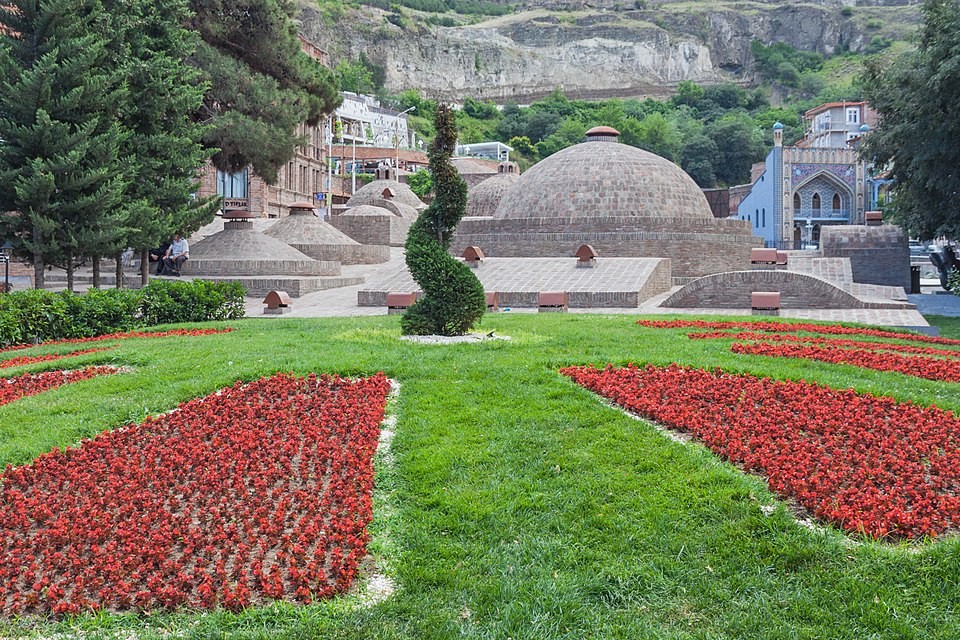
Tbilisi's sulfur baths aren't just a spa treatment - they're the reason the city exists.
For over 1,500 years, locals and travelers have soaked in these mineral-rich hot springs, making a visit to Abanotubani one of the most authentic experiences you can have in Georgia's capital.
This guide covers everything from the legendary history to practical tips on etiquette, treatments, and choosing the right bathhouse for your first visit.
The Legend Behind Tbilisi's Sulfur Baths
The story of Tbilisi's sulfur baths is the story of Tbilisi itself. According to Georgian legend, King Vakhtang Gorgasali was out hunting in the 5th century when his falcon chased a pheasant and both birds fell into a natural hot spring. Impressed by the warm, mineral-rich waters, the king ordered a city to be built on that very spot. The name "Tbilisi" comes from the Old Georgian word "tbili," meaning "warm place" - a direct nod to these geothermal springs.
By the 13th century, Abanotubani had grown into a thriving bathing district with over 65 bathhouses. Marco Polo even mentioned them in his travel writings, praising their therapeutic properties. The baths became central to Georgian social life - women would visit to assess potential daughters-in-law, business deals were struck in the steam, and for many locals, a weekly (or even daily) soak was simply part of the routine.
The baths have also attracted some famous admirers. Alexander Pushkin visited in the 1820s and wrote glowing descriptions of his experience, calling the Tbilisi baths more luxurious than anything he'd seen in Russia or Turkey. Alexandre Dumas passed through in 1858 and left equally enthusiastic accounts of being scrubbed and stretched by the bath attendants.
Today, fewer than a dozen bathhouses remain, but the tradition is very much alive. While the fancier spots now cater largely to tourists, you'll still find locals at the public baths continuing a ritual that has shaped this city for centuries.
What Makes Abanotubani Unique
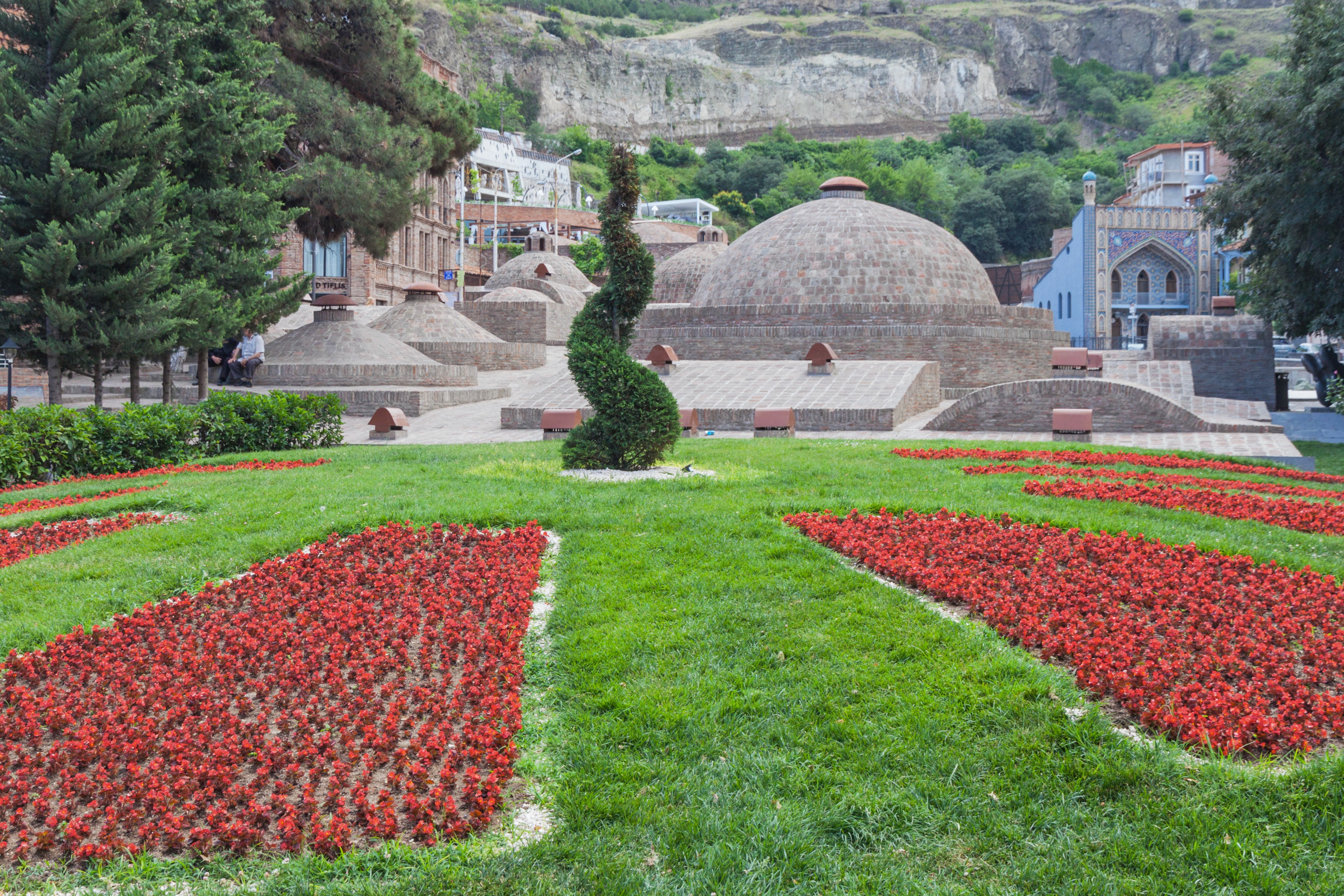
Walking through Abanotubani, you'll notice the neighborhood before you see it - the distinct smell of sulfur (often compared to rotten eggs) drifts through the air as you approach. Then come the domes. Unlike bathhouses elsewhere in the world, Tbilisi's are built underground, with brick dome structures poking out of the earth like molehills.
These domes aren't just decorative. They serve a practical purpose: natural light streams into the bath rooms below while sulfuric steam escapes through vents at the top. From street level, you can actually walk over some of these domes - Bathhouse No. 5 sits directly beneath the ones you see in most photos of the district.
The water itself is naturally heated to around 38-40°C (100-104°F), fed by geothermal springs running beneath the city. The high sulfur content gives the water its distinctive smell and its purported health benefits. Inside, the bathhouses range from simple, utilitarian spaces to ornate rooms decorated with intricate mosaics, tiles, and brickwork that date back centuries.
Abanotubani sits at the eastern bank of the Mtkvari River, right at the foot of Narikala Fortress. The neighborhood is compact and walkable - all the major bathhouses cluster within a few minutes of each other. Getting there is easy with Bolt, and the district connects to Old Town Tbilisi's other attractions.
Public Baths vs. Private Rooms: Which to Choose
One of the first decisions you'll make is whether to go public or private, and the two experiences are quite different.
Public baths offer the more authentic, old-school experience. You'll share a large communal space with whoever else shows up that day - mostly local men at the men's baths, local women at the women's. The atmosphere is social and unpretentious. Facilities tend to be basic: a hot pool, showers, maybe a sauna. Nudity is the norm here, though some people wear swimwear. If you want to experience the baths the way Georgians have for generations, and you're comfortable with communal nudity, the public baths are the way to go. They're also far cheaper.
Private rooms give you a space entirely to yourself (or your group). Once you're inside and the door is locked, you won't see anyone except your Mekise if you've ordered a scrub or massage. Rooms typically include a hot sulfur pool, a cold shower or plunge pool, and a stone slab for treatments. Nicer rooms add saunas, decorative tilework, and seating areas. For couples, families, or anyone who prefers privacy, this is the better option. The trade-off is a higher price - but if you split the room cost among a group, it becomes reasonable.
My recommendation for first-timers? Start with a private room. It lets you ease into the experience without the pressure of navigating communal bath etiquette on your first go. You can always try a public bath on a future visit once you know what you're getting into.
The Kisi Scrub: The Heart of the Experience
You can soak in sulfur water at various places around the world, but the kisi scrub is what makes Tbilisi's baths special. If you only do one thing at the bathhouses, make it this.
The kisi (sometimes spelled "kisa") is a vigorous exfoliation treatment performed by a Mekise - the bath attendant who specializes in this work. Here's how it typically goes: after you've soaked in the hot pool for a while, the Mekise enters your room. You lie face-down on a stone slab, and they pour warm water over you. Then they take a coarse, textured mitt and scrub every inch of your body with surprising intensity. Dead skin rolls off in little gray pieces - it's oddly satisfying to watch. After the scrub, they lather you up with a soapy foam (traditionally using a cloth "pillowcase" to create suds), wash you down, and finish with another rinse.
The whole process takes about 10-15 minutes and leaves your skin feeling impossibly soft and new. It's similar to a Turkish hammam treatment, though locals will tell you the Georgian version has its own character.
A few practical notes: you'll need cash to pay the Mekise directly - this is separate from your room fee. If you're a woman, the Mekise will typically ask you to remove your bikini top during the scrub. Leave the door unlocked so they can enter at the scheduled time. And don't be shy about the roughness - it's supposed to feel vigorous.
Top Bathhouses in Abanotubani
Each bathhouse in Abanotubani has its own personality. Here are the main options to consider:
Chreli Abano (Orbeliani Baths)
This is the one you've seen in every photo of Tbilisi. The stunning blue-tiled facade with Persian-influenced design makes it impossible to miss - some first-time visitors even mistake it for a mosque. Inside, the rooms live up to the exterior, with beautiful tilework and a polished atmosphere. It's the most popular choice among tourists, which means booking ahead is a good idea. The bathhouse was renovated and reopened in 2017, so facilities feel more modern than some of the older spots. If you want the "Instagram bathhouse," this is it.
Gulo's Thermal Spa
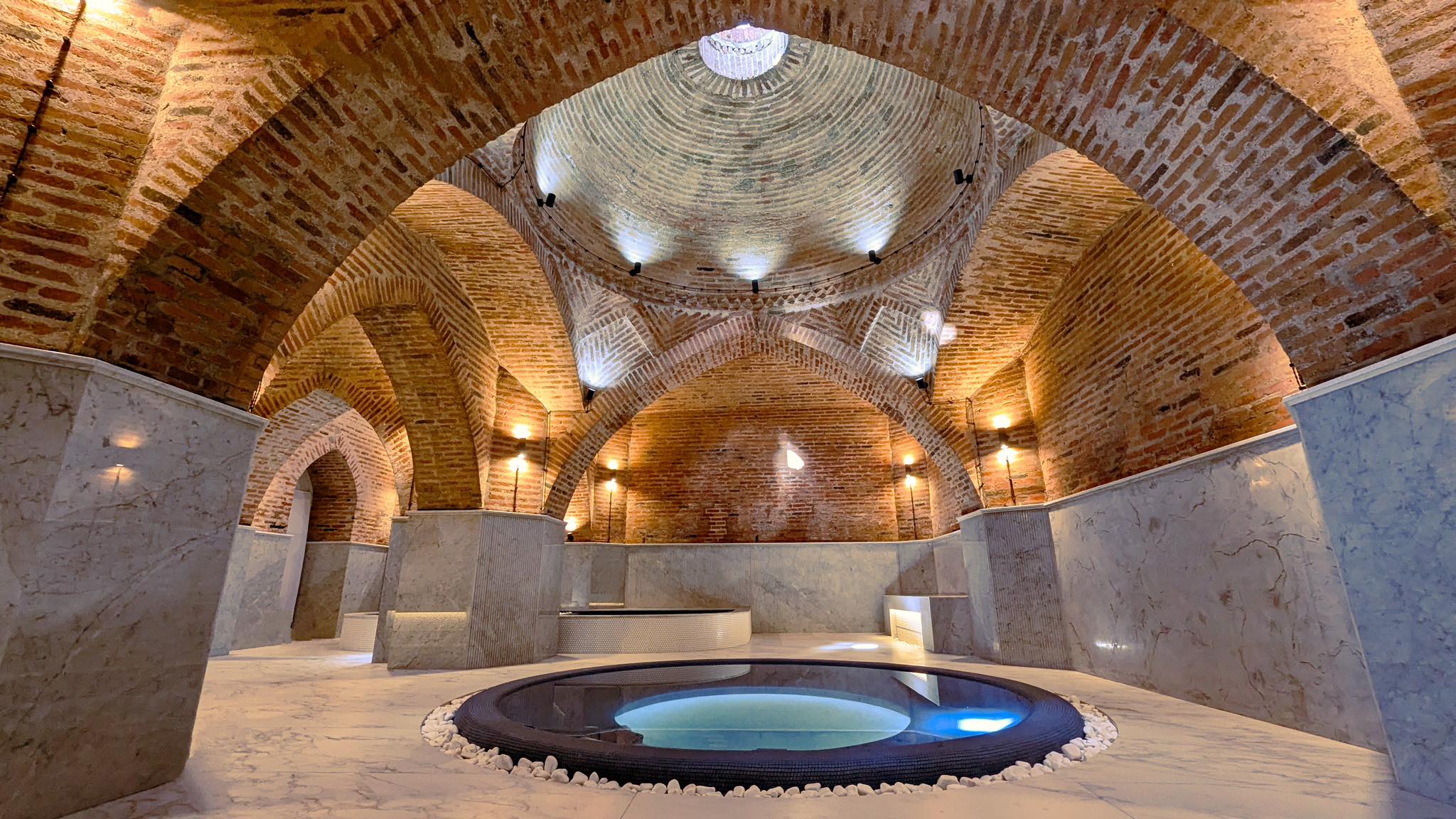
This is my personal favorite for a first visit. Gulo's has history and soul. The bathhouse dates to the 19th century and was originally called "the Garrison" because soldiers bathed here. But for decades, a beloved bath attendant named Gulo worked the rooms, and locals started saying "let's go to Gulo's" instead of using the official name. The nickname stuck and eventually became official - a rare case of a faceless Soviet-era establishment earning a human identity through sheer affection. Rooms feature beautiful old mosaics and domed ceilings. The vibe is authentic without being run-down. Sting reportedly bathed here, if celebrity endorsements matter to you.
Bathhouse No. 5
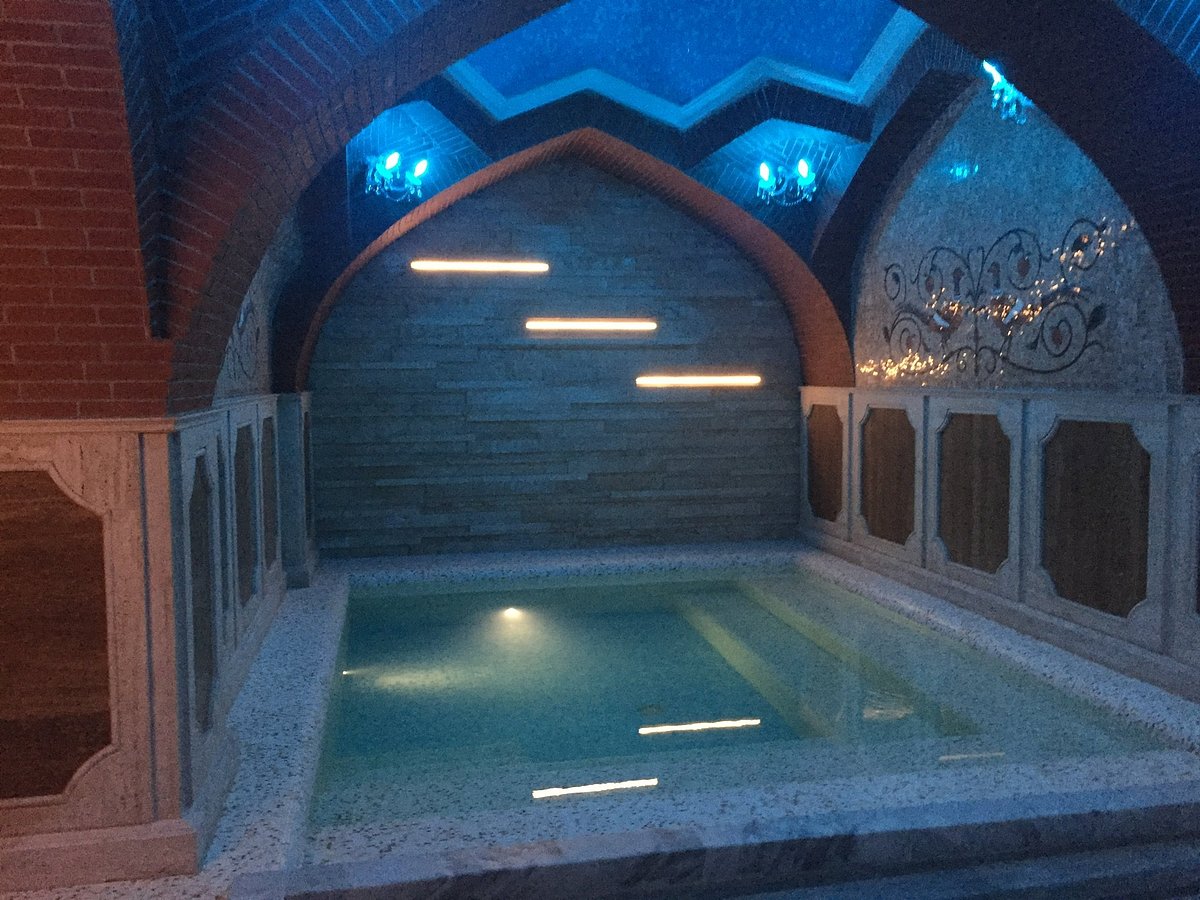
If you want to try a public bath, this is the classic choice. It sits beneath those iconic street-level domes you can walk over. The public section is basic - think dim lighting, sulfur smell, crowded hot pools - but that's the point. This is where locals come for a cheap, no-frills soak. Private rooms are also available and feature gorgeous old mosaics. Some rooms have been recently renovated with added saunas. Sunday nights tend to be busy.
Royal Bathhouse
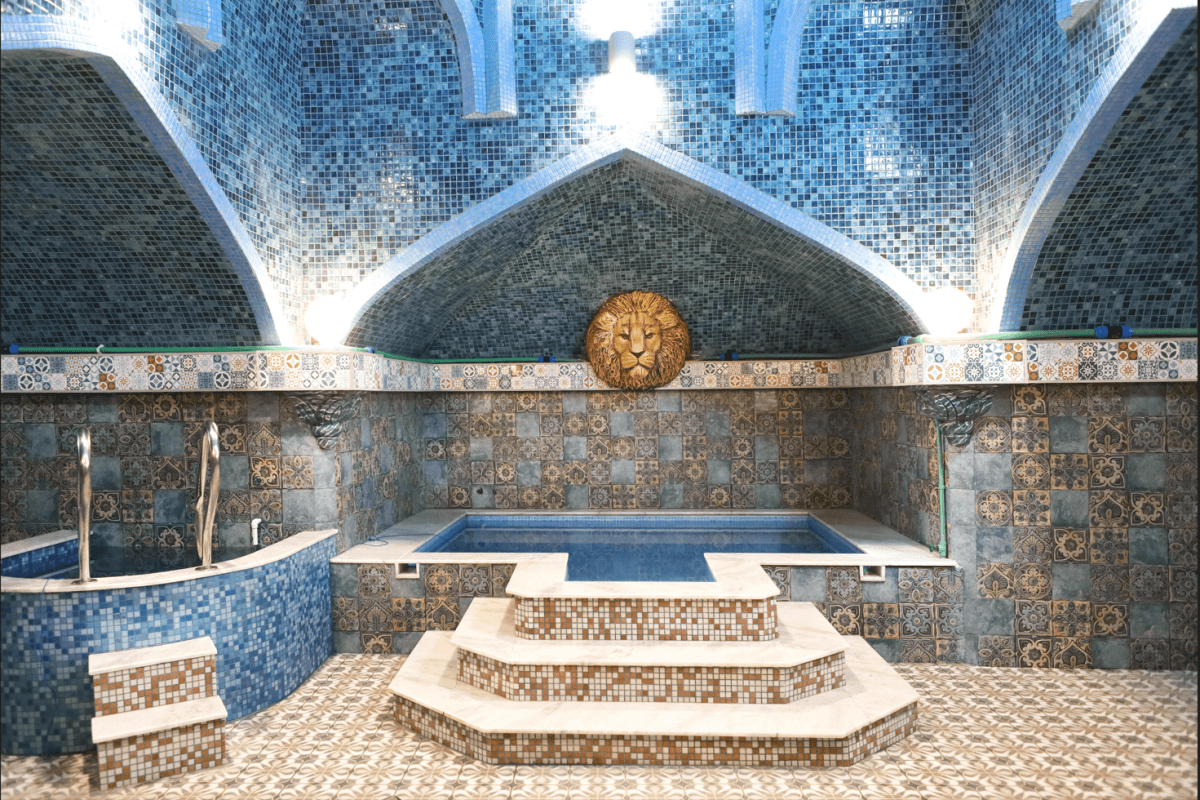
For a more upscale experience, Royal Bathhouse offers beautifully decorated private rooms with marble interiors and stained-glass windows. The ambiance leans luxurious, and the facilities feel newer than the historic spots. If you want pampering over authenticity, this is a solid pick.
King Erekle's Bath
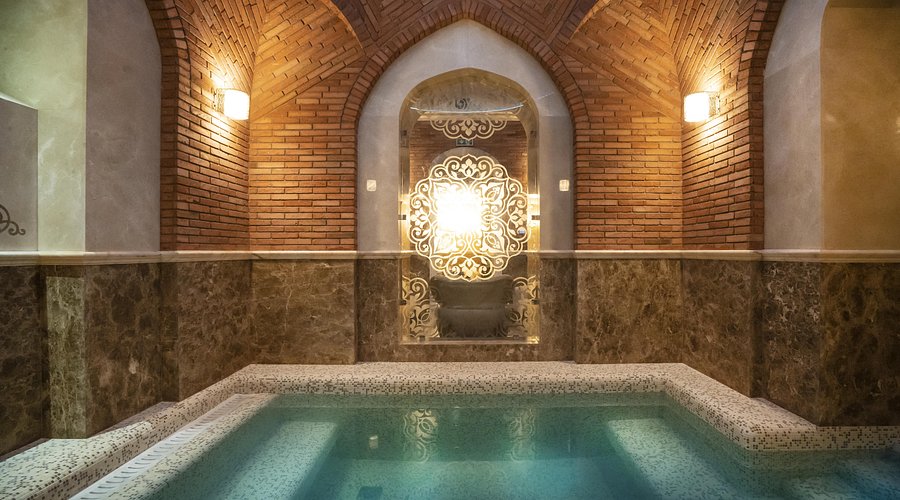
This is the splurge option - a modern spa experience blended with traditional Tbilisi bathhouse elements. Rooms are contemporary and comfortable, with high-end finishes. It's less about history and more about relaxation in style.
Kiev Sulfur Bath
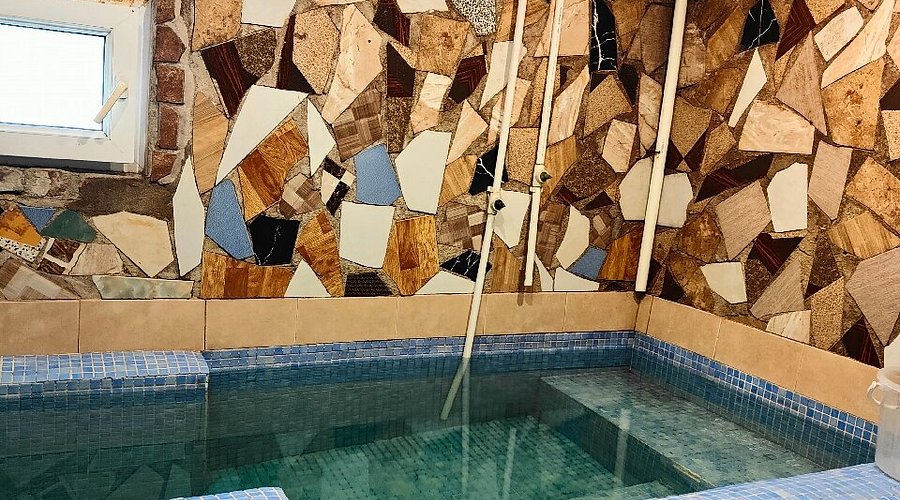
Located outside Abanotubani proper (near Marjanishvili metro station), Kiev is a local favorite that flies under most tourist radars. The water temperature here tends to be more comfortable than some of the scorching-hot Abanotubani options. Rooms range from newly renovated modern spaces to older ones with beautiful original mosaics. Some rooms include saunas; most have just a shower to cool off rather than a cold plunge.
What to Bring (and What to Leave Behind)
Packing smart makes the experience smoother. Here's my checklist:
Bring:
Swimsuit (optional for private rooms, required for public baths) - but not your favorite one, as sulfur can stain fabric
Flip-flops or sandals for walking on wet floors
A towel (or rent one there for a few GEL)
Water bottle - you'll get dehydrated in the heat
Cash for the kisi scrub and any extras (exact change preferred)
Plastic bag for wet clothes afterward
Soap and shampoo if you want to save a few GEL (otherwise available for purchase)
Leave behind:
Jewelry, especially silver - sulfur tarnishes it and turns it black
Valuables - leave them at your hotel
Anything you'd be upset to lose or damage
Most bathhouses sell or rent the basics (towels, soap, slippers), so forgetting something isn't a disaster. But bringing your own saves a bit of money and hassle.
Sulfur Bath Etiquette
Georgian bath culture has its own unwritten rules. Following them makes the experience better for everyone.
Shower before getting in the pool. This is basic hygiene and expected at every bathhouse. Rinse off the day before you soak.
In private rooms, nudity is your choice. Since no one else is there, wear whatever (or nothing) makes you comfortable. In public baths, most people are fully nude, though some wear swimwear. Follow the room's lead.
Arrive 10-15 minutes early for your reservation. Bathhouses run on tight schedules, and showing up late might mean losing your slot.
If you've ordered a kisi scrub, leave your door unlocked so the Mekise can enter at the scheduled time. They'll knock first.
Tip the Mekise in cash after your treatment. There's no fixed amount, but rounding up or adding 5-10 GEL on top of the scrub price is appreciated.
Cameras are fine in private rooms (take your photos before it gets too steamy). In public baths, keep your phone away - photographing strangers in various states of undress is obviously not okay.
Don't stay in the hot water too long. The heat can be intense. Soak for 10-15 minutes, cool off, hydrate, then go back in if you want. Listen to your body.
Health Benefits and Considerations
People have attributed healing properties to Tbilisi's sulfur waters for centuries, and there's some science to back it up.
The mineral-rich water - high in sulfur, calcium, magnesium, and sodium - may help with various skin conditions. Sulfur has natural anti-inflammatory and antimicrobial properties, which can benefit people dealing with eczema, psoriasis, acne, and dry skin. The heat and minerals also help soothe sore muscles and stiff joints, potentially offering relief for arthritis and general aches.
The warm water dilates blood vessels, increasing circulation and helping your body absorb oxygen and minerals more efficiently. Combined with the sweating from the heat, many people report feeling detoxified and refreshed afterward.
That said, the baths aren't for everyone. Pregnant women should avoid sulfur baths. If you have heart problems, blood pressure issues, or any cardiovascular concerns, check with a doctor first - the heat puts extra strain on your system. Stay hydrated, don't overdo it, and cool off regularly.
The sulfur smell can be strong, and breathing might feel slightly heavier in the steamy rooms. If you have respiratory sensitivities, keep your sessions shorter.
FAQ
Do I have to be naked in the sulfur baths?
In private rooms, it's entirely your choice - you can wear a swimsuit, go nude, or anything in between. In public baths, nudity is the norm, though some people do wear swimwear. If you book a kisi scrub, women are typically asked to remove their bikini top for the treatment.
Can I visit the sulfur baths without booking in advance?
You can try walking in, but popular bathhouses often have no availability, especially on weekends and during high season. Booking a few days ahead is strongly recommended. Some bathhouses accept online reservations; others require a call or WhatsApp message.
How long should I stay in the sulfur baths?
Most people book one hour, which is plenty of time to shower, soak, get a kisi scrub, and relax. If you're with a group and want to linger, two hours gives you more breathing room. Don't stay in the hot water continuously - alternate between soaking and cooling off.
Is the sulfur smell very strong inside the bathhouses?
You'll notice it, but most visitors find it less overwhelming than expected once you're inside. The smell is strongest in the Abanotubani neighborhood itself. After a few minutes of soaking, your nose adjusts. Shower well afterward, and the smell won't linger on you.
Can I bring my kids to the sulfur baths?
Private rooms work well for families since you have the space to yourselves. Public baths are gender-segregated and less suitable for mixed-gender family visits. Check with individual bathhouses about age policies and whether they're kid-friendly.
What is the best time of day to visit?
Evenings are popular - many people visit after a day of sightseeing to unwind. Mornings tend to be quieter if you prefer a calmer atmosphere. Fall and winter are great seasons since the warm baths offer a cozy escape from the cold outside.
Do the bathhouses accept credit cards?
Most bathhouses accept cards for room bookings, but you should always bring cash for the kisi scrub and any add-on services. The Mekise is paid directly and in cash - this is non-negotiable. Bring Georgian Lari in small denominations.
Are the sulfur baths safe for pregnant women?
No. Sulfur baths are not recommended for pregnant women due to the heat and mineral content. Most bathhouses explicitly advise against it. If you're pregnant, skip this activity.
What's the difference between bathhouses - are some better than others?
Each has its own character. Chreli Abano is the most photogenic and polished. Gulo's offers history and authenticity. Bathhouse No. 5 is best for a public bath experience. Royal and King Erekle's lean more luxurious. None are "bad" - it depends on what experience you want.
Do I need to tip the Mekise after my kisi scrub?
Tipping is customary and appreciated. There's no strict rule, but adding 5-10 GEL on top of the scrub price, or simply rounding up generously, is a nice gesture. Always pay the Mekise in cash directly.
Conclusion
A visit to Tbilisi's sulfur baths is one of those experiences that stays with you. It's not just about relaxation - though you'll leave with impossibly soft skin and loosened muscles. It's about participating in a tradition that has defined this city for over 1,500 years. Whether you choose the ornate tiles of Chreli Abano or the local character of Gulo's, book ahead, bring cash for your kisi, and give yourself over to the steam. You won't regret it.