Practical Tips
Georgia First-Time Visitor Tips: 15 Things You Need to Know
Planning your first trip to Georgia? These 15 essential tips cover visas, currency, food etiquette, transport, and cultural insights to help you travel smarter.

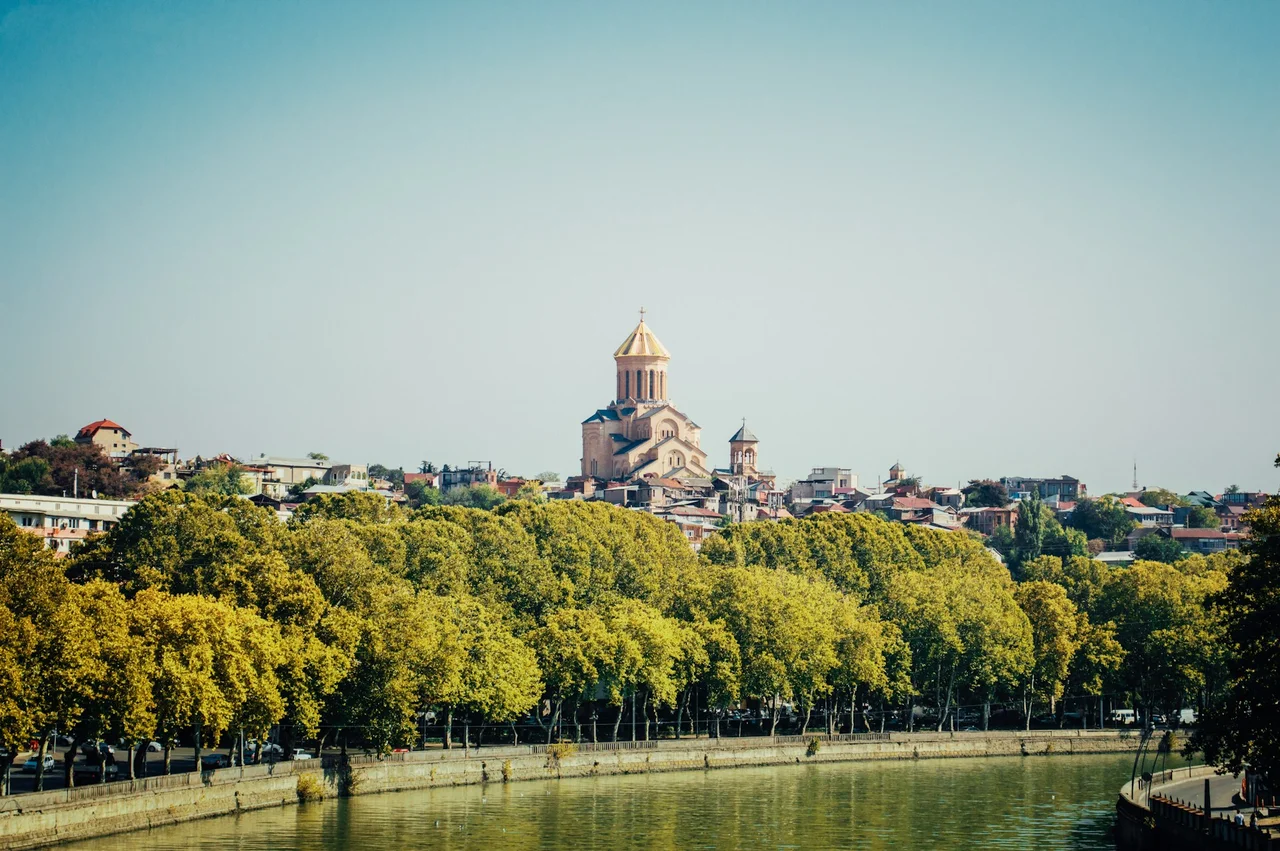
Georgia sits at the crossroads of Europe and Asia, tucked into the Caucasus mountains between Russia and Turkey.
This small country packs ancient monasteries, 8,000-year-old wine traditions, and some of the most generous hospitality you will find anywhere.
But Georgia also has quirks that catch first-time visitors off guard - from aggressive driving to cryptic marshrutka schedules to eating etiquette that locals take seriously.
These 15 tips will help you navigate the country with confidence and get more out of your trip.
Quick Summary:
Citizens of 94 countries can stay up to one year visa-free
The currency is the Georgian Lari (GEL) - cash is still king outside Tbilisi
Download the Bolt app for taxis before you arrive
Dress modestly for church visits - women need head coverings and skirts
Road safety is the biggest risk for travelers - avoid night driving
15 Essential Tips for First-Time Visitors to Georgia
1. You Can Stay Up to One Year Visa-Free (For Most Nationalities)
Georgia has one of the most generous visa policies in the world. Citizens of 94 countries - including the US, UK, EU nations, Canada, Australia, and most of Latin America - can enter without a visa and stay for up to 365 days.
Your passport just needs to be valid for the duration of your stay. The year automatically resets when you leave and re-enter, which is why Georgia has become popular with digital nomads who hop over to Armenia or Turkey for a quick border run. Check your eligibility on the official Georgian government portal before booking.
Stop Counting Visa Days
Get your Georgian residence permit
Work permits, real estate permits, family reunification. We handle the full process from documents to government appointments. Make it official.
Free Consultation
5+ Residency Pathways
Full Document Support
2. Tbilisi's Sulfur Baths Are a Must-Try
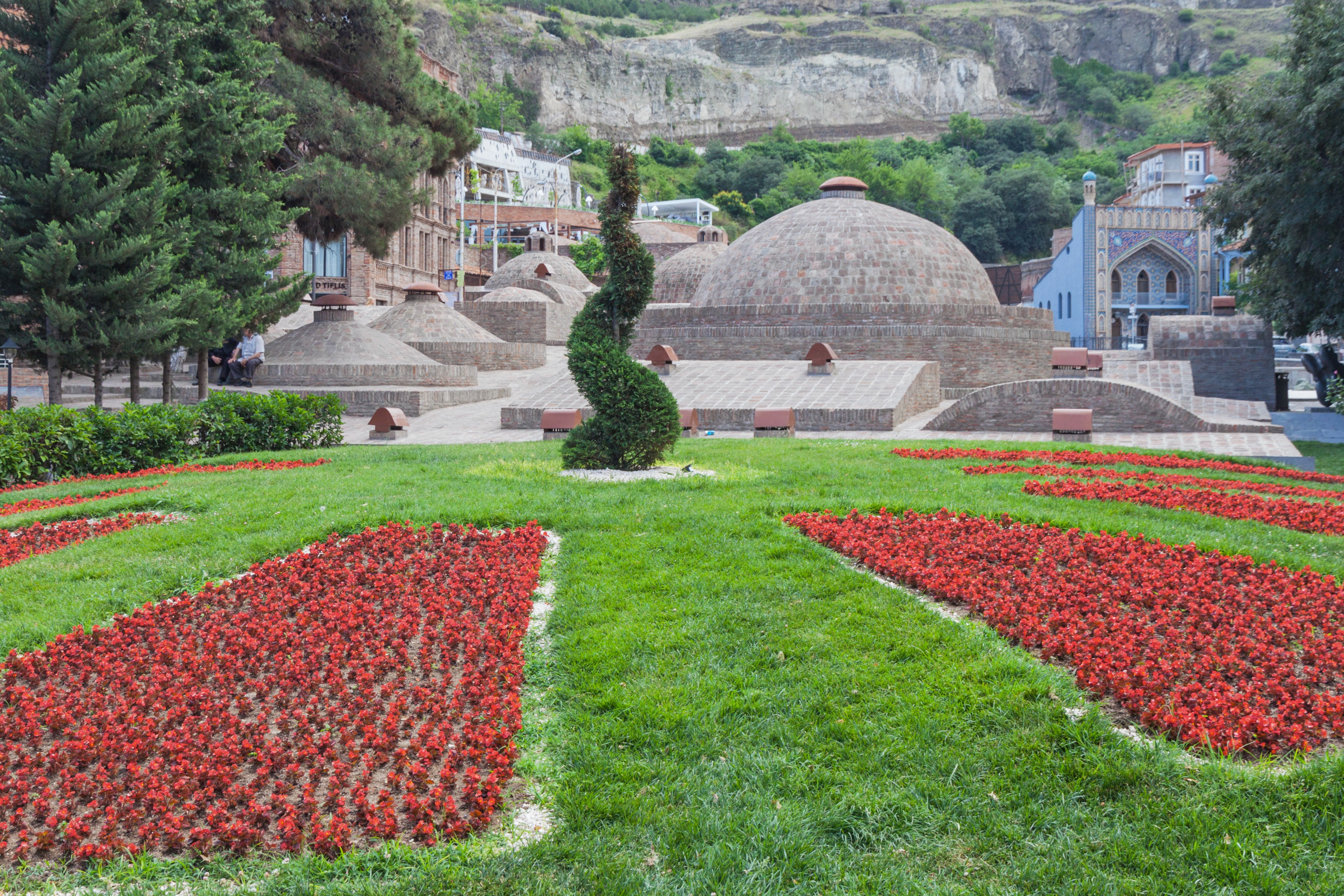
The domed brick bathhouses of Abanotubani have drawn visitors for centuries - legend says Tbilisi was founded after King Vakhtang Gorgasali discovered the hot sulfur springs while hunting.
Today, you can soak in naturally heated mineral water, get scrubbed raw with a kisi (rough exfoliating mitt), and emerge feeling like a new person.
Private rooms cost 50-150 GEL per hour depending on the bathhouse and time slot. Chreli Abano and Royal Bath House are popular choices.
The smell is intense - sulfur hits you before you walk through the door - but the experience is worth it. Book ahead on weekends, bring flip-flops, and do not plan anything strenuous afterward. You will be too relaxed to function.
3. Learn to Eat Khinkali the Right Way (Or Risk Embarrassment)
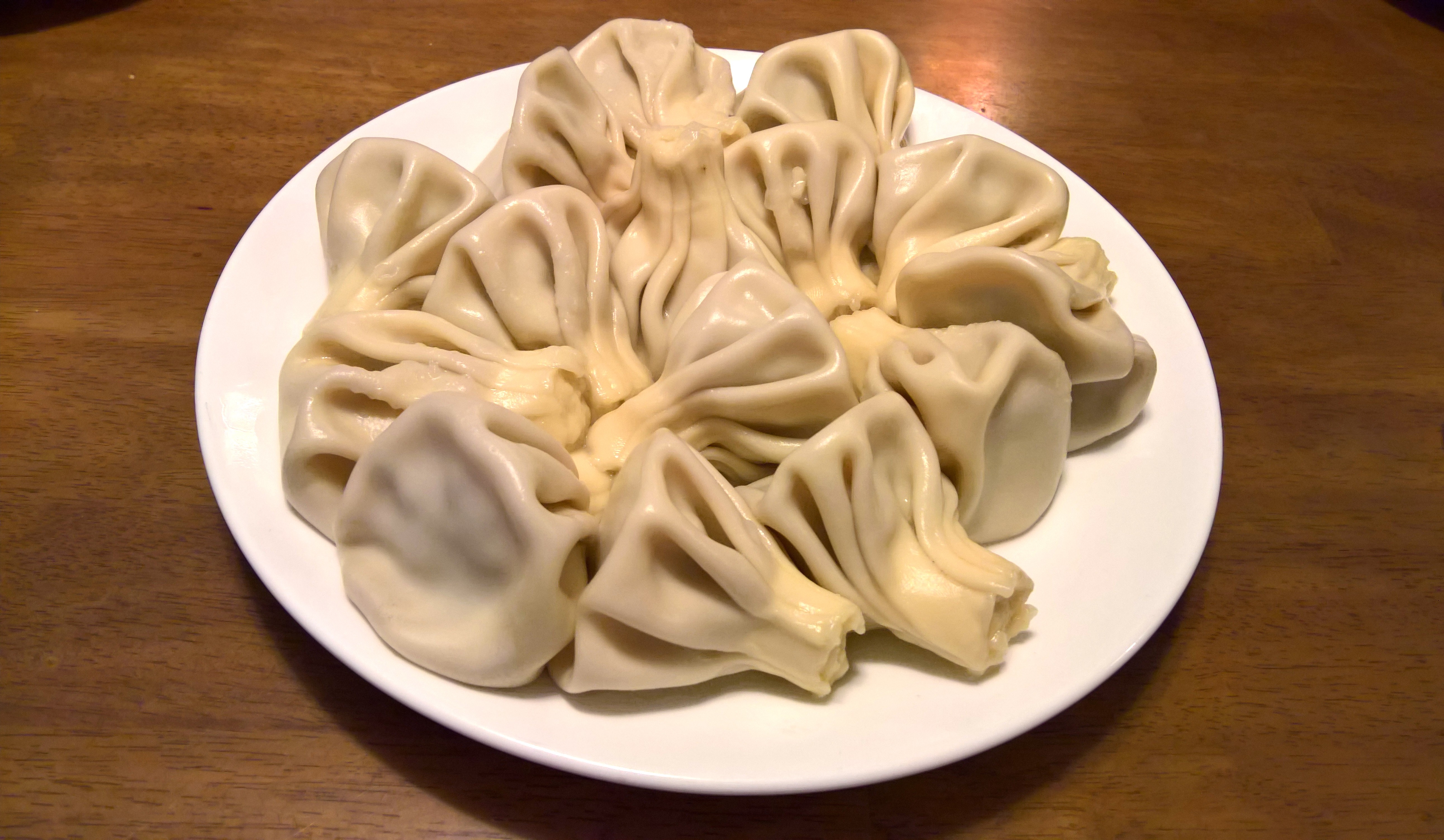
Khinkali are Georgia's beloved soup dumplings, and there is a correct way to eat them.
Grab the twisted knob at the top, flip it upside down, take a small bite from the side, slurp out the hot broth, then eat the rest.
Never use a knife and fork - this spills the precious juice and marks you as a clueless tourist.
The knob itself is meant to be left on your plate, not eaten. Locals count the discarded knobs to see who ate the most. Order at least five per person, as most restaurants have a minimum. The best fillings are spiced meat, cheese, or mushroom.
Recommended Khinkali places:
Klike khinkali
Zodiaqo
Georgian House
Pasanauri
4. Khachapuri is Not Pizza - But You Will Love It Even More
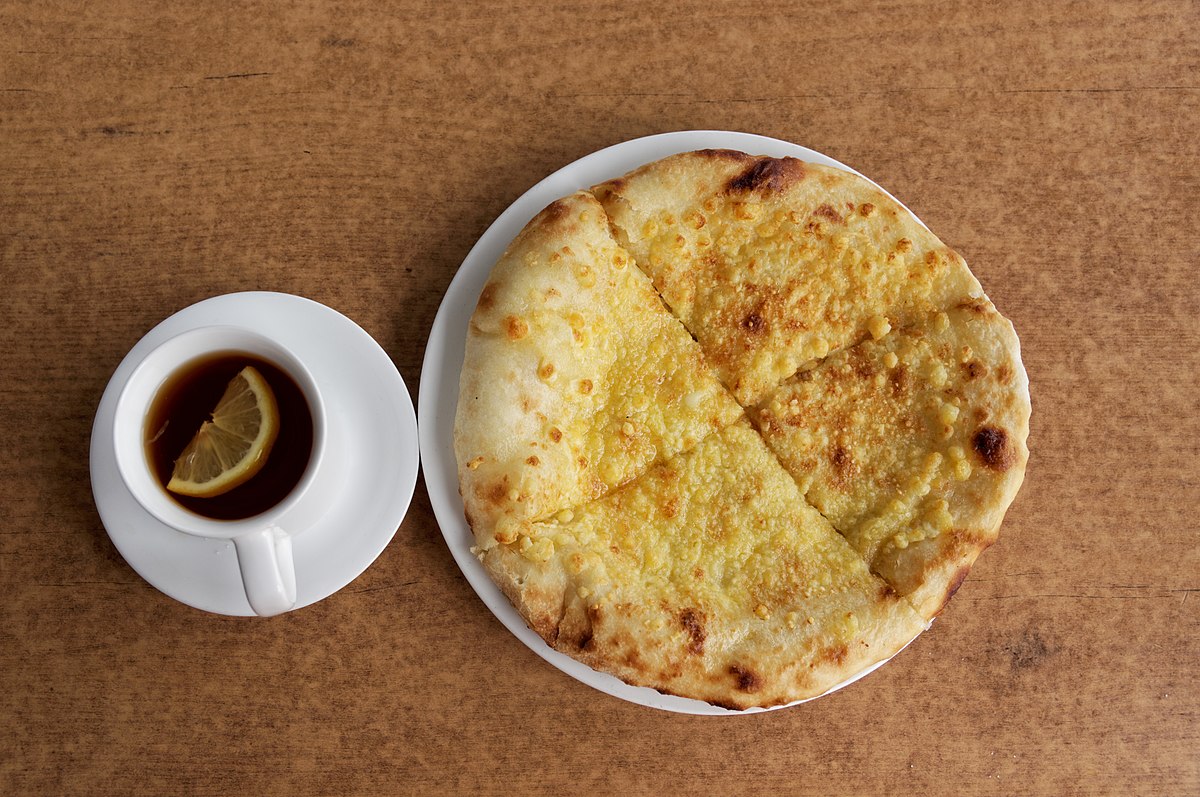
Khachapuri is Georgia's cheese-filled bread, and it varies wildly by region.
The most famous version is Adjarian khachapuri - a boat-shaped bread filled with molten cheese, topped with a raw egg and butter knob that you mix together while hot.
Imeruli khachapuri is a flatter, circular version stuffed with salty Imeretian cheese. Megruli adds extra cheese on top.
Like khinkali, you eat it with your hands - tear off pieces of bread and dip them into the gooey center. It is filling, rich, and best shared. Do not try to eat a whole Adjarian khachapuri alone unless you want to skip your next meal entirely.
5. Download the Bolt App Before You Land

Taxis are cheap and convenient in Georgia, but hailing one on the street invites hassle.
The Bolt app works throughout Tbilisi, Batumi, and Kutaisi, giving you upfront pricing, GPS tracking, and cashless payment. A 15-minute ride in Tbilisi typically costs 5-10 GEL.
The app removes the language barrier since you just enter your destination and go.
Avoid taxis at airports, especially drivers who approach you inside the terminal - fares can be triple the normal rate.
Order through Bolt using the free airport wifi instead. For longer distances and day trips, GoTrip.ge connects you with professional drivers at fixed prices.
6. Marshrutkas Are Chaotic But Fun
Marshrutkas are shared minivans that serve as Georgia's intercity bus network.
They leave when full, have no fixed schedule, and the driver might announce the destination by shouting out the window.
Despite the chaos, they reach places no other transport goes and cost a fraction of taxis. Tbilisi's main station is Didube, a loud maze where drivers compete for passengers.
Tell someone where you want to go and they will point you to the right van.
Pay the driver in cash when you get off - one hour of travel costs roughly 2-5 GEL, while trips to other cities are more expensive. Bring motion sickness tablets and prepare for aggressive driving on mountain roads.
7. Road Safety is the Biggest Risk for Travelers
Driving in Georgia is fast, aggressive, and sometimes reckless.
Speeding, overtaking on blind corners, and filtering to create unofficial lanes are common. Road fatalities have increased in recent years, making this the single biggest safety concern for visitors.
Avoid night driving, wear your seatbelt even in the back seat, and factor safety into your transport choices. Budget operators and marshrutka drivers sometimes prioritize speed over caution.
For mountain trips to places like Kazbegi, consider hiring a professional driver through GoTrip rather than taking the cheapest marshrutka.
8. Dress Modestly for Church Visits
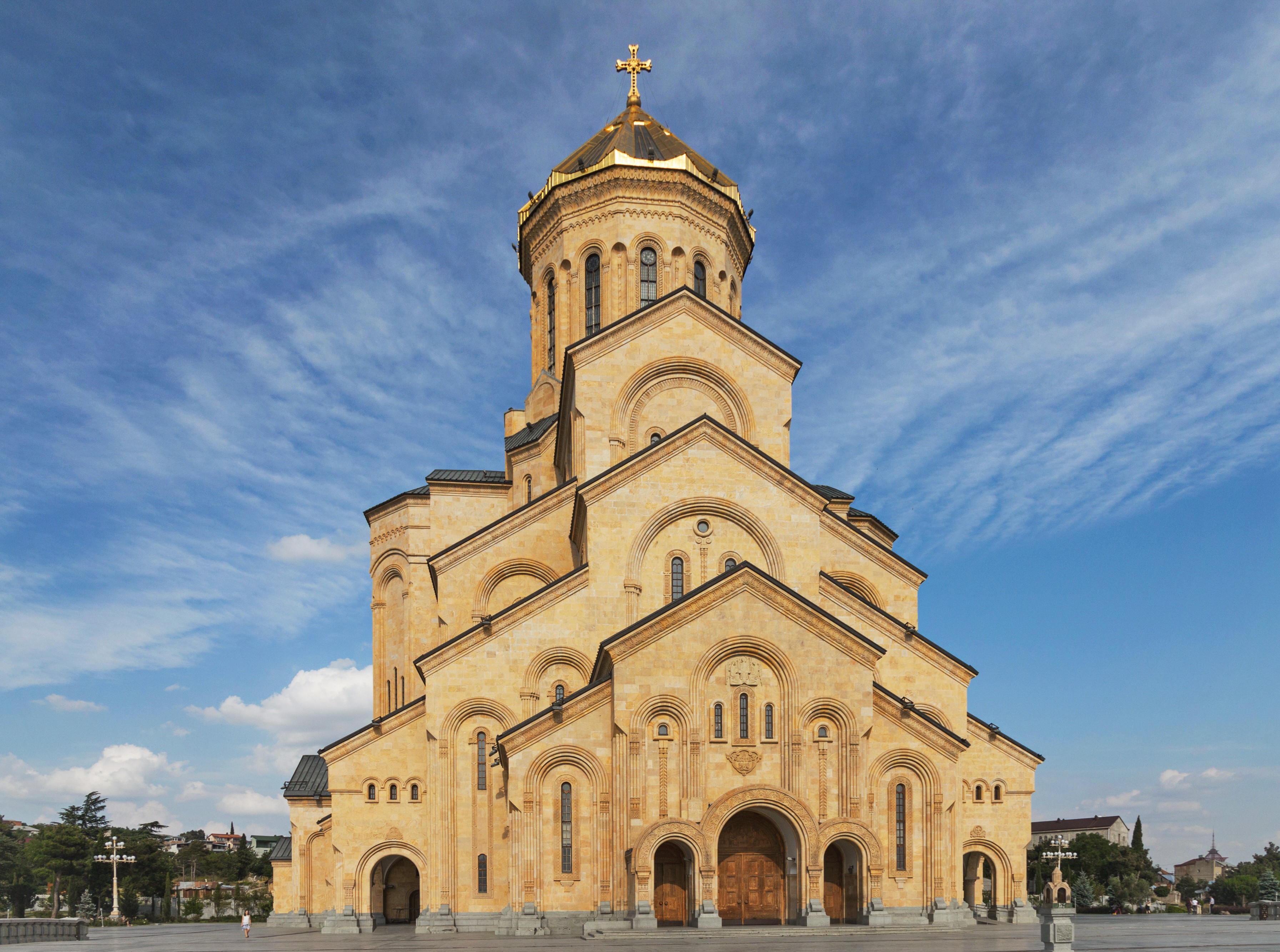
Georgia is a deeply Orthodox Christian country, and over 80% of the population identifies with the Georgian Orthodox Church.
Churches and monasteries are everywhere, often in stunning locations, and most welcome visitors - but there is a strict dress code.
Women must cover their heads with a scarf and wear a skirt or dress that reaches below the knee. Pants are not allowed.
en need long trousers and covered shoulders - no shorts or tank tops.
Most churches provide wrap-around skirts and headscarves at the entrance for unprepared visitors. Do not step on the altar area or sit in the central chair, which is reserved for the patriarch.
9. Georgian Wine Has 8,000 Years of History - Take It Seriously
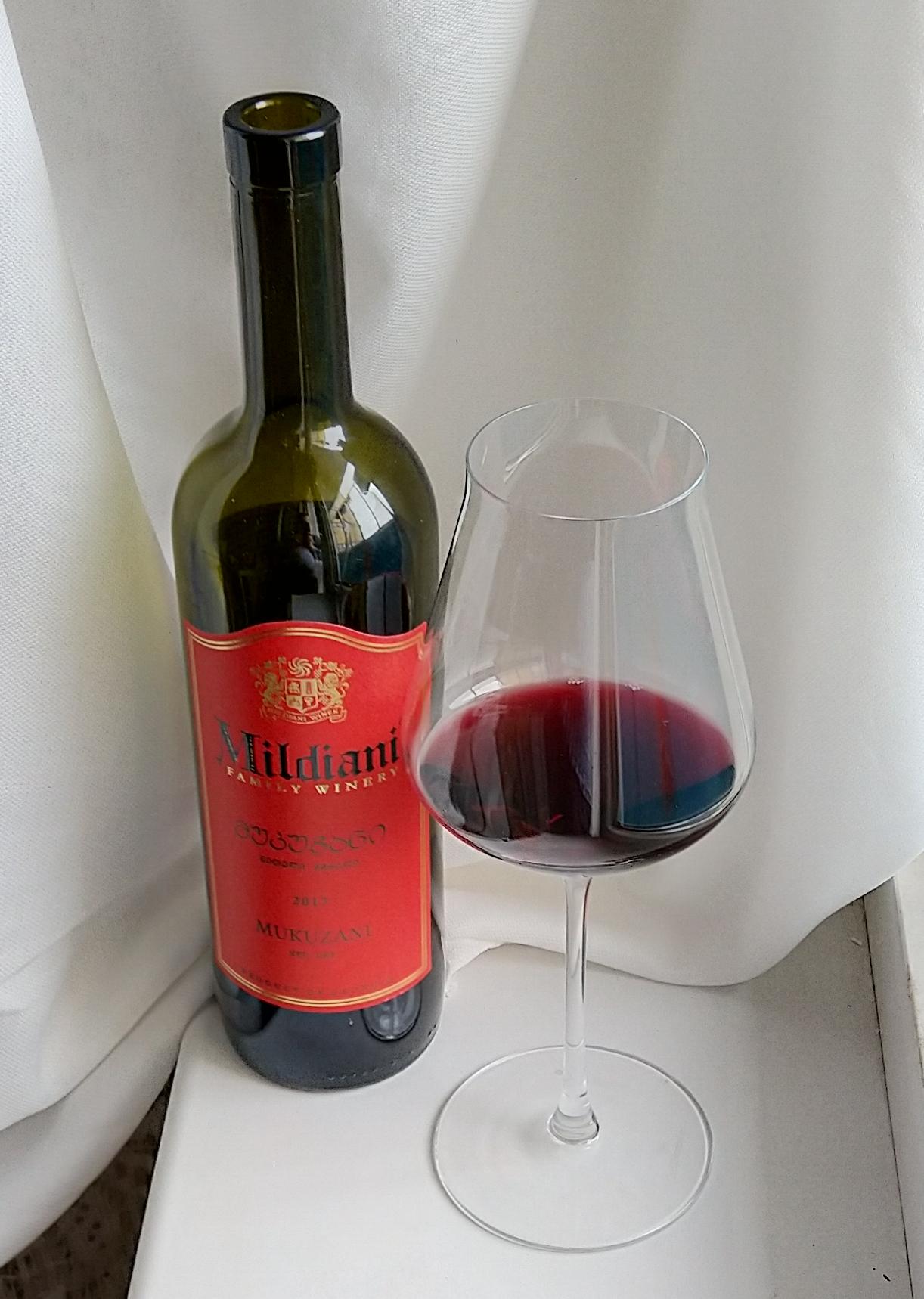
Georgia is the birthplace of wine, with archaeological evidence of winemaking dating back 8,000 years.
The country uses a unique qvevri method - fermenting grape juice in large clay vessels buried underground, which is now a UNESCO-protected tradition.
Amber wines, made from white grapes with extended skin contact, are a Georgian specialty you will not find elsewhere.
The Kakheti region east of Tbilisi produces most of the country's wine, and tasting tours are easy to arrange. Try Saperavi, the bold red wine native to Georgia, and Rkatsiteli, a crisp white. Wine is central to social life and always present at traditional feasts.
10. The Supra (Feast) is a Cultural Experience - Pace Yourself
A supra is the traditional Georgian feast, and if you are lucky enough to be invited to one, prepare yourself.
The table overflows with dishes - cheese, bread, salads, stews, grilled meats, dumplings - while a tamada (toastmaster) leads rounds of wine toasts that touch on themes like family, ancestors, Georgia, friendship, and peace.
Refusing to drink is acceptable - touch the glass to your lips or take a small sip to participate respectfully.
The key is pacing. Supras can last hours, and food keeps coming. Eat slowly, listen to the toasts, and embrace the experience. Georgians consider generous hospitality a point of national pride.
11. English is Limited Outside Tbilisi - Learn a Few Georgian Phrases
Younger Georgians in Tbilisi often speak good English, especially anyone working in tourism.
Outside the capital, English becomes rare.
Older generations are more likely to speak Russian, though bringing it up can be sensitive given Georgia's complicated history with its northern neighbor.
Learning a few Georgian phrases goes a long way. "Gamarjoba" means hello, "madloba" means thank you, and "ara" means no.
The Georgian alphabet looks like nothing else on earth, so screenshot key destination names in Georgian script for marshrutka drivers. Google Translate works offline if you download the Georgian language pack.
12. Get a Metromoney Card for Tbilisi Public Transport
Tbilisi's metro, buses, and cable cars cost just 1 GEL per ride, with free transfers within 90 minutes. You can tap any contactless debit or credit card to pay - no need to buy a local transit card unless you prefer one.
The Metromoney card is still available at metro stations for 2 GEL if you want to track spending separately.
The metro is the fastest way to cross the city during rush hour, with stations that still feature old Soviet-era art. Two cable cars offer panoramic views - one connects Rike Park to Narikala Fortress, the other climbs to Mtatsminda Park.
13. It is Still Affordable - But Prices Are Rising
Georgia remains one of Europe's most budget-friendly destinations, but the days of rock-bottom prices are fading.
Inflation, rising food costs, and an influx of higher-spending visitors have pushed prices up 8-12% in the past year alone.
Budget travelers can still get by on 100-150 GEL per day (roughly $37-55 USD) by staying in hostels, eating at bakeries and local taverns, and using marshrutkas.
Mid-range travelers should budget 200-300 GEL per day. A restaurant meal costs 25-60 GEL per person, while khachapuri from a street stall is just 5-8 GEL. Tbilisi is the priciest city - Kutaisi, Batumi, and rural areas are noticeably cheaper.
14. Spring and Fall Are the Best Times to Visit
Georgia is a year-round destination, but each season suits different activities. Summer (June to August) is best for hiking in the Caucasus mountains and enjoying the Black Sea coast around Batumi, though Tbilisi can get uncomfortably hot.
Winter brings skiing at Gudauri and fewer tourists in the cities. The sweet spots are spring (April to May) and fall (September to October). Spring offers wildflowers and pleasant temperatures, while September coincides with the wine harvest in Kakheti - the perfect time for vineyard tours and tasting fresh vintages. Shoulder seasons also mean lower prices and fewer crowds at popular sites.
15. Georgians Are Famously Hospitable - Embrace It
The warmth of Georgian hospitality catches many visitors off guard. Strangers offer directions, shopkeepers chat, and if you ask for help, someone will likely walk you to your destination. Guesthouse owners treat you like family, pouring homemade wine and insisting you stay for dinner.
This is not a sales tactic - it is cultural. Georgians take pride in welcoming guests, a tradition rooted in Orthodox Christian values and centuries of Silk Road crossroads culture. Accept invitations graciously, express genuine appreciation, and reciprocate kindness where you can. You will leave Georgia with stories of random acts of generosity that feel almost unbelievable.
Frequently Asked Questions
Is Georgia safe for tourists?
Georgia is generally very safe for tourists. Tbilisi ranks among the safest capital cities in the world, with low rates of violent crime and pickpocketing. The main safety concern is road traffic - drivers can be aggressive, and accidents are common. Exercise normal precautions, stay aware of your surroundings, and avoid participating in political demonstrations.
How many days do I need in Georgia?
A week is enough to see Tbilisi, take a day trip to Mtskheta, and visit either Kazbegi in the mountains or Kakheti wine region. Two weeks allows for a more relaxed pace plus Batumi on the coast or trekking in Svaneti. If you have just a long weekend, focus on Tbilisi with one day trip.
Do I need travel insurance for Georgia?
Travel insurance is not legally required to enter Georgia, but it is strongly recommended. Medical facilities outside Tbilisi can be basic, and evacuation costs for mountain accidents are high. Choose a policy that covers adventure activities if you plan to hike or ski.
Can I use US dollars or euros in Georgia?
No, the Georgian Lari is the only currency accepted for everyday transactions. Some hotels may quote prices in USD or EUR, but you will pay in Lari at the current exchange rate. Bring cash in a major currency and exchange it locally for the best rates.
Is Georgia expensive to visit?
Georgia is affordable compared to Western Europe and North America. Budget travelers can manage on $35-50 USD per day, while mid-range travelers spend $70-100 USD daily. Prices have risen recently but remain lower than most European destinations.
What is the best way to get around Georgia?
Within cities, use the Bolt app for taxis and public transport where available. Between cities, marshrutkas are the cheapest option, while trains connect Tbilisi to Batumi and Kutaisi. For mountain destinations like Kazbegi or Svaneti, hire a private driver through GoTrip for comfort and flexibility.
Is tap water safe to drink in Georgia?
Tap water is generally safe in Tbilisi and most cities, though the taste varies. In rural areas and mountain villages, stick to bottled water. Mineral water is cheap and widely available - locals drink it constantly.
What should I pack for Georgia?
Pack layers regardless of season, as mountain weather changes quickly. Bring comfortable walking shoes, a scarf for church visits, and modest clothing that covers shoulders and knees. Sunscreen and sunglasses are essential in summer, while winter requires serious cold-weather gear if heading to the mountains.
Do Georgians speak English?
English is common among younger people in Tbilisi and the tourism industry. Outside the capital, English speakers become rare. Older Georgians are more likely to know Russian. Download offline translation apps and learn a few Georgian phrases to help with communication.
What is Georgian food like?
Georgian cuisine is hearty, cheese-heavy, and built around communal eating. Signature dishes include khachapuri (cheese bread), khinkali (soup dumplings), and various walnut-based vegetable dishes. Meals are meant to be shared, and portions are generous. Vegetarians will find plenty of options including bean stews, eggplant rolls, and stuffed vegetables.
Final Thoughts
Georgia rewards travelers who come prepared for its quirks. The transport can be confusing, the roads intimidating, and the alphabet illegible - but the payoff is a country that feels genuinely different from anywhere else. Ancient churches perched on clifftops, wine served from clay vessels buried in the earth, and hospitality so generous it borders on overwhelming. Pack your patience, download Bolt, bring a scarf for the monasteries, and leave room in your stomach. Georgia delivers experiences that feel increasingly rare in an over-touristed world.