Nomad & Expat Life
Complete Tbilisi Digital Nomad Guide for 2026
Planning to work remotely from Tbilisi? Our 2026 guide covers visas, cost of living, coworking spaces, the 1% tax benefit, housing, and expat community tips.


Georgia has emerged as one of Eastern Europe's most welcoming destinations for remote workers, and Tbilisi sits at the heart of that appeal.
With visa-free stays of up to one year for citizens from over 90 countries, a 1% income tax regime for freelancers, reliable fiber internet, and a cost of living that stretches your budget further than most European capitals, the Georgian capital offers a compelling package.
Add in a growing expat community, affordable coworking spaces, and vibrant food and wine culture, and you have a city where digital nomads can genuinely thrive.
Quick Summary:
Citizens from 90+ countries can stay visa-free for one year, with easy border runs to reset
Monthly costs range from $800-1,500, depending on lifestyle
Register as an Individual Entrepreneur to pay just 1% tax on turnover up to 500,000 GEL
Fast fiber internet (50-100+ Mbps) is widely available for around $15-18/month
Active expat scene with regular meetups, coworking spaces, and more
Moving to Tbilisi
One of Tbilisi's biggest draws for remote workers is the generous visa policy. Citizens from over 90 countries - including the US, UK, Canada, Australia, and most EU nations - can enter Georgia without a visa and stay for up to 365 days. This policy has been in place since 2015 and makes Georgia one of the most accessible long-term destinations in the region.
The process is straightforward. You fly in, get your passport stamped, and you are free to live and work for an entire year. No visa applications, no registration requirements, no questions about your income source at the border.
When your year is up, the standard approach is a quick border run. Most nomads head to Armenia or Turkey - both easily accessible from Tbilisi - spend a day or two, and return to Georgia with a fresh 365-day stamp. This pattern can be repeated indefinitely, though immigration officers may ask questions if they notice multiple consecutive years of stays. Having documentation of your work, accommodation, or business registration helps if questions arise.
Keep in mind that Georgia tightened entry rules for citizens of 17 specific countries in May 2025, so check official sources if you hold a passport from a non-Western nation.
Stop Counting Visa Days
Get your Georgian residence permit
Work permits, real estate permits, family reunification. We handle the full process from documents to government appointments. Make it official.
Free Consultation
5+ Residency Pathways
Full Document Support
Tbilisi Cost of Living
Tbilisi remains one of the most affordable capitals in Europe for remote workers, though prices have risen since 2022. A comfortable monthly budget typically falls between $800 and $1,500, depending on your lifestyle choices and neighborhood.
Typical Monthly Expenses:
Rent (1-bedroom apartment, central): $400-700
Utilities (electricity, gas, water, internet): $50-80
Groceries: $150-200
Eating out: $150-300
Transportation: $20-40
Coworking (optional): $100-180
SIM card with data: $10-15
Gym membership: $30-50
Dining out remains a strong point. Local Georgian restaurants charge 10-20 GEL for a meal, mid-range spots run 20-30 GEL, and upscale restaurants start around 30-100+ GEL per person. A generous dinner for two with wine at a nice restaurant might cost $25-40.
Drinks vary by venue. Standard bars charge 8-10 GEL for beer and 20-30 GEL for cocktails. Higher-end cocktail bars push toward 15+ GEL for beer and 30+ GEL for mixed drinks. Club cover charges typically run 20-60 GEL.
Fresh produce is affordable at local markets, and supermarkets like Carrefour and Europroduct stock everything you need for home cooking.
Working Remotely in Tbilisi
Tbilisi has solid internet infrastructure for remote work. Fiber-optic connections are available in most urban neighborhoods, with residential plans offering speeds of 50-100 Mbps for around 50 GEL ($15-18) per month. Providers like Silknet and Magticom are the main options, and both have English-language customer support improving over time.
Mobile data is cheap and reliable as a backup. Magti, Silknet (formerly Geocell), and Cellfie (formerly Beeline) offer prepaid SIM cards with generous data packages for under $10-15 monthly. 4G coverage blankets the city, and 5G is rolling out in central districts.
Coworking Spaces
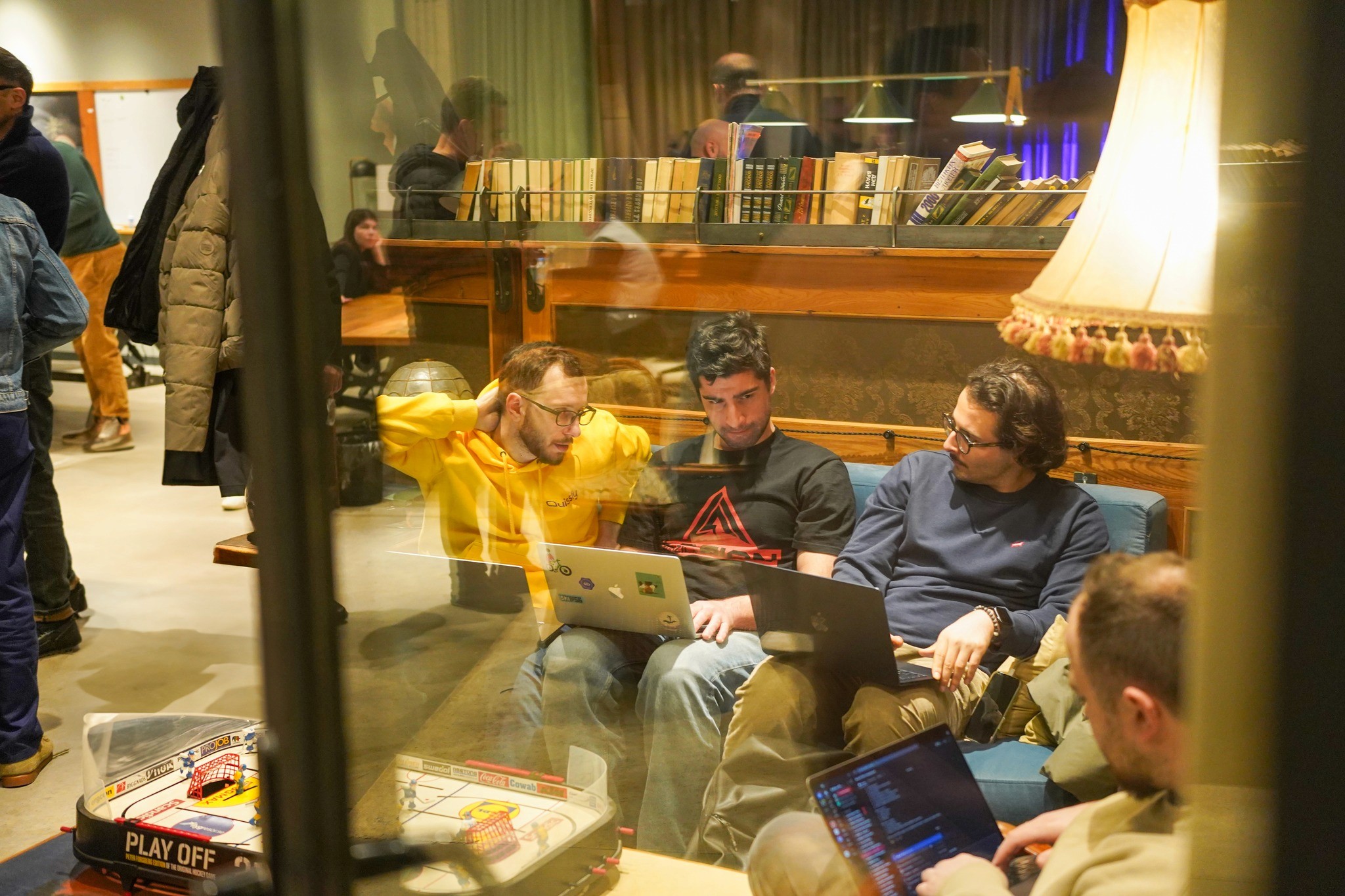
Tbilisi has a growing selection of coworking options:
Impact Hub Tbilisi - Located inside Fabrika, this popular space attracts creatives and entrepreneurs. Large common areas, private offices, and frequent networking events make it a social hub. Day passes start around 40 GEL.
Terminal - A professional chain with multiple locations around the city, including Vake, Saburtalo, and Marjanishvili. Clean modern spaces, 24/7 access options, and reliable fiber internet. Day passes from 40-45 GEL, monthly memberships around $100-180.
Vibe Coworking - Offers hourly rates (3 GEL/hour) for those who need flexibility, plus full-day passes at 20 GEL and 24-hour access for 30 GEL.
Laptop-Friendly Cafes

Many nomads prefer cafe-hopping to traditional coworking. Tbilisi delivers:
Coffee LAB - One of the city's original specialty coffee roasters with multiple locations. Generous table space, steady WiFi, plenty of outlets, and a quiet upstairs loft at the main branch. Great for long work sessions.
Fabrika - Beyond the coworking space, the broader Fabrika complex has cafes and common areas where laptop work is welcomed.
Hurma - A favorite among remote workers with plant-filled interiors, communal tables, and solid WiFi. Popular for breakfast and morning work sessions.
Prospero's - A bookshop-cafe on Rustaveli Avenue with a sunlit courtyard. Coworking is welcome but there is a 3-hour WiFi limit.
Red Man Cafe - Street-facing windows, comfortable seating, and reliable WiFi make this a solid all-day option.
1% Tax as an Individual Entrepreneur
Georgia offers one of Europe's most attractive tax regimes for freelancers and solo business owners through its Individual Entrepreneur (IE) with Small Business Status structure. Under this system, qualifying individuals pay just 1% income tax on their annual turnover - not profit, but gross revenue - up to 500,000 GEL (approximately $180,000).
How it works:
Register as an Individual Entrepreneur at the Public Service Hall (House of Justice)
Apply for Small Business Status through the Revenue Service portal
Once approved, you pay 1% monthly on your turnover, due by the 15th of each month
File simple monthly tax declarations through the online system
Requirements:
Annual turnover under 500,000 GEL
Solo operation (no partners or directors)
Not engaged in prohibited activities (consulting, legal, medical, architectural, and some other professional services are excluded)
Having a legal address in Georgia
The process can be completed in one or two visits, often within the same day if your documents are in order. You do not need to be a legal resident to register - tax residency is sufficient.
If your turnover exceeds 500,000 GEL during the year, the excess is taxed at 3%. Exceed the threshold for two consecutive years, and you lose the status.
Payment Processing Note
Stripe is not available in Georgia. This catches many freelancers off guard. The workaround most nomads use involves issuing manual invoices and receiving payments through Wise (formerly TransferWise). Wise supports multi-currency accounts with local bank details in USD, EUR, and GBP, making it straightforward to receive client payments and transfer to your Georgian bank account.
PayPal and Payoneer also work, though Wise generally offers better exchange rates and lower fees.
Register as an Individual Entrepreneur in Georgia
Pay 1% Tax. Legally.
We handle registration, tax setup, and Small Business Status in 3 days. You walk out with a business certificate and start invoicing the same day.
Free Consultation
Fully Compliant
3-Day Setup

Where to Stay in Tbilisi
For long-term stays, the best approach is to arrive with short-term accommodation booked (Airbnb for 2-4 weeks), then search locally for a proper rental once you know the city.
Finding Long-Term Rentals
ss.ge - The main local classifieds site for apartments. Listings are in Georgian, English, and Russian. Prices are often quoted in USD since major transactions in Georgia frequently use dollars. Expect to pay 2 months upfront as a deposit.
myhome.ge - Another popular local listing site worth checking.
Facebook Groups - "Expats in Tbilisi" and "Flats For Friends Tbilisi" are active communities where listings and recommendations get posted regularly.
Airbnb - Many hosts offer significant monthly discounts. If you find a place you like, negotiate directly for better long-term rates.
Typical rents for a furnished 1-bedroom apartment in a central neighborhood run $400-700/month. Older buildings in less central areas can go as low as $300, while modern apartments in premium locations push past $700.
Best Neighborhoods for Digital Nomads
Vera - The unofficial digital nomad hub. Walkable streets, abundant cafes, coworking spots, and a creative vibe. Close to Rustaveli Avenue and the old town but quieter and more residential. Rent runs mid-range.
Vake - The prestigious neighborhood. Leafy boulevards, embassies, international schools, Vake Park, and a more polished European feel. Popular with families and professionals. Slightly pricier but peaceful.
Sololaki - Old town charm with cobblestone streets, historic balconies, and wine bars tucked into courtyards. Atmospheric but buildings can be older and maintenance-heavy. Good for short-term stays or those prioritizing character over modern amenities.
Chugureti - Home to Fabrika, this up-and-coming neighborhood offers creative energy, Italian-style courtyards, and good restaurant options. More affordable than Vera or Vake with increasing nomad appeal.
Saburtalo - A large residential district north of center with metro access, affordable rents, and plenty of Soviet-era apartments. Less charming but practical and well-connected.
Expat Community in Tbilisi
Tbilisi has developed a substantial expat and digital nomad community, making it easy to build a social circle quickly. Between regular meetups, Facebook groups, and WhatsApp communities, you will find no shortage of ways to connect.
Weekly Expat Meetup at Crossroads Bar - Whether you are new to Tbilisi or have been here for months, this is the go-to event for meeting fellow foreigners and English-speaking locals. Free entry, just buy a drink. Learn more and RSVP for the next one here.
Karaoke Night - Sundays at Crossroads Bar. Grab the mic, meet new people, and enjoy a relaxed evening with the expat crowd. Find more details here.
Join Our WhatsApp Group - We run an active community chat where members share tips, organize outings, and help each other navigate life in Tbilisi. Click here to join!
Other Community Resources
Meetup.com - Multiple active groups including "Socializing with Internationals in Tbilisi" and "Foreigners and Friends in Tbilisi" run regular events from language exchanges to board game nights to hiking trips.
Facebook Groups - "Expats in Tbilisi" is the main community group for advice, recommendations, and local knowledge.
Tbilisi tends to attract a friendly, approachable crowd. Even outside organized events, striking up conversations at cafes, coworking spaces, or bars like Fabrika comes naturally. The city has that quality where people are genuinely open to meeting new faces.
FAQ
How long can I stay in Georgia without a visa?
Citizens from over 90 countries can stay visa-free for 365 days. When your year ends, you can do a border run to a neighboring country like Armenia or Turkey, return, and receive another 365-day stamp. This pattern can be repeated, though immigration may ask questions after multiple consecutive years.
Is Tbilisi safe for digital nomads?
Tbilisi is generally considered safe with low crime rates. The main hazard is traffic - drivers can be aggressive and pedestrian infrastructure varies. Neighborhoods like Vake, Vera, Saburtalo, and Sololaki are all safe for day-to-day life. Protests occasionally occur near Parliament on Rustaveli Avenue but are typically peaceful.
What is the best neighborhood to live in Tbilisi?
For digital nomads, Vera hits the sweet spot - walkable, full of cafes and coworking options, close to the old town but residential enough to be quiet. Vake works well for those wanting a more polished, green environment. Chugureti near Fabrika appeals to the creative crowd on a budget.
How fast is the internet in Tbilisi?
Home fiber connections typically deliver 50-100 Mbps for around $15-18/month. Coworking spaces and good cafes offer similar speeds. Mobile 4G provides reliable backup with speeds of 20-60 Mbps depending on location and provider.
Can I open a bank account in Georgia as a foreigner?
Yes. Georgian banks like TBC Bank and Bank of Georgia open accounts for foreigners with just a passport. The process takes about an hour. Having a bank account makes paying rent, utilities, and daily expenses easier, and is required if you register as an Individual Entrepreneur.
What is the 1% tax and how do I qualify?
Georgia offers Small Business Status to Individual Entrepreneurs earning under 500,000 GEL annually. Instead of the standard 20% income tax, you pay just 1% on gross turnover. Certain professions are excluded, including consultants, lawyers, architects, and medical professionals. Registration requires a passport, legal address in Georgia, and a visit to the Public Service Hall and Revenue Service.
Is Stripe available in Georgia?
No. Stripe does not support Georgia. Most freelancers use Wise to receive international payments via bank transfer. You can hold multiple currencies, convert at good rates, and transfer to your Georgian bank account.
What are typical food costs in Tbilisi?
Budget 10-20 GEL for a meal at a basic local restaurant, 20-30 GEL at mid-range spots, and 30-100+ GEL at upscale places. A full dinner for two with wine at a nice restaurant runs roughly $25-40.
How do I find an apartment for long-term rent?
Start with ss.ge, the main local listing site. Check Facebook groups like "Expats in Tbilisi" for recommendations. Arrive with short-term accommodation booked, then search locally. Expect to pay 2 months upfront and deal directly with landlords or through agents.
Is English widely spoken in Tbilisi?
English proficiency varies. Younger Georgians, especially in the service industry, often speak conversational English. Russian is more widely understood among older generations. Having a translation app helps for complex situations. In expat-friendly areas and establishments, you can generally get by with English.
What is the best time of year to visit Tbilisi?
Spring (April-May) and autumn (September-October) offer pleasant temperatures and fewer crowds. Summer gets hot, with temperatures exceeding 30C and occasional humidity spikes. Winter is mild compared to Northern Europe but can be gray. Many nomads prefer the shoulder seasons.
Conclusion
Tbilisi rewards digital nomads who value affordability, community, and a bit of adventure. The combination of a generous visa policy, low tax burden, solid internet infrastructure, and a walkable city full of character makes it stand out from the usual nomad circuit. The expat community continues to grow, coworking options are expanding, and the food and wine culture provides daily reasons to explore. Whether you stay for three months or three years, Tbilisi offers a genuine base from which to build your remote work life.