Safety & Budget
Is Tbilisi Safe? What Travelers Actually Need to Know
Is Tbilisi safe for tourists? Get honest safety tips, crime info, scam warnings, and practical advice for visiting Georgia's capital in 2025.

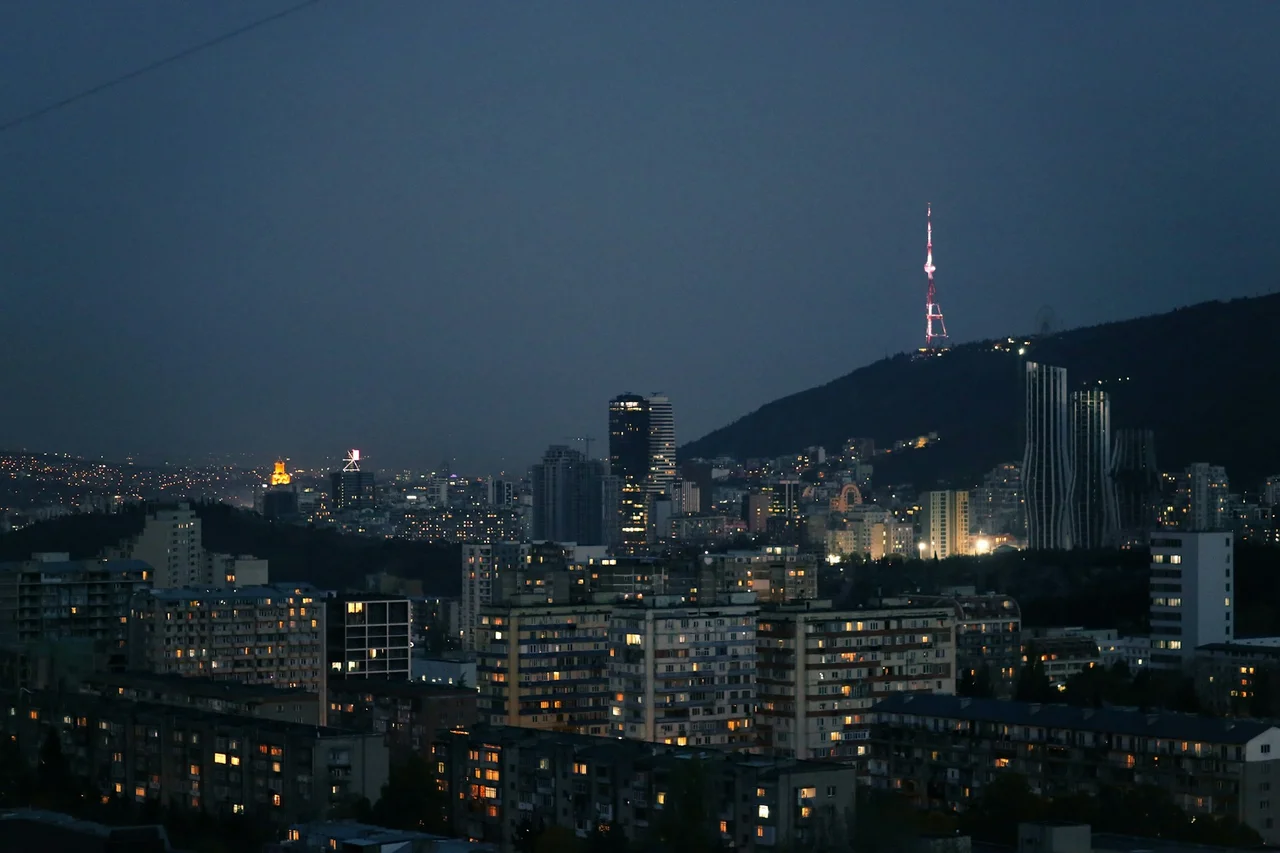
Georgia's capital has been making headlines lately, and not always for its wine or beautiful Old Town.
Between political protests and mixed online reviews, travelers are understandably asking: is Tbilisi actually safe to visit?
The short answer is yes.
Tbilisi consistently ranks among the safest capitals in Europe, with crime statistics that would make most Western cities envious. That said, understanding the current situation helps you travel smarter.
Quick Summary:
Tbilisi has one of the lowest crime rates in Europe, with official statistics showing a continued downward trend
The U.S. State Department rates Georgia as Level 1 - the safest travel advisory category
Political protests continue in central Tbilisi, primarily in the evenings - stay informed and avoid demonstration areas
Common concerns include petty theft in crowded areas, bar scams, and aggressive driving
South Ossetia and Abkhazia are no-go zones for all travelers
Is Tbilisi Safe in 2026?
Yes, Tbilisi is safe for travelers. Despite what dramatic headlines might suggest, the numbers tell a reassuring story.
According to the National Statistics Office of Georgia (Geostat), the country has seen a multi-year downward trend in recorded crimes, with early data from 2025 continuing this pattern. The U.S. Department of State classifies Georgia as Level 1: "Exercise Normal Precautions" - the safest possible rating. This puts Tbilisi in the same category as countries like France and Spain. Neither the UK, Canada, Australia, nor the U.S. advises against travel to Georgia.
Tourism numbers reflect this confidence. Georgia recorded around 4.3 million international visitors between January and September 2025, an 8% increase from the previous year. Hotels stayed full, restaurants remained busy, and tourists kept coming.
The city functions normally. Public transport runs on schedule, attractions stay open, and the famous Georgian hospitality remains firmly intact. Foreigners living in Tbilisi consistently report feeling safer than in most European capitals.
That said, smart travelers stay informed. Petty crime exists, certain scams target tourists, and the political situation deserves attention.
The Protest Situation
Political demonstrations have been a fixture in central Tbilisi since the October 2024 parliamentary elections. These protests are primarily concentrated around Rustaveli Avenue, Freedom Square, and near the Parliament building. They typically begin in the evening and sometimes extend into the night.
For tourists, this means avoiding these specific areas during demonstration times. The rest of Tbilisi - and the rest of Georgia - operates completely normally. Most protests remain peaceful, though occasional clashes between demonstrators and police have occurred. Major incidents, like those in October 2025, drew international attention but remained localized to specific streets in central Tbilisi.
The practical advice is straightforward: check local news before heading to central Tbilisi in the evenings, avoid crowds gathered near government buildings, and keep walking if you encounter a demonstration. Don't participate in protests as a foreigner - authorities may question you upon exit or refuse re-entry. Beyond that, enjoy the city. Tourists are welcome, businesses are open, and Georgians actively want visitors to experience their country.
FAQ
Is Tbilisi safe to walk around at night?
Tbilisi is generally safe for nighttime walking, especially in well-lit central areas and popular neighborhoods like Abanotubani, Vera, and Mtatsminda. Stick to busy streets, avoid poorly lit alleys, and use Bolt or reputable taxi apps for late-night transport. The metro closes around midnight, so plan accordingly.
Are there areas in Tbilisi I should avoid?
The main areas to avoid are protest zones in central Tbilisi during demonstrations, typically around Rustaveli Avenue and Parliament in the evenings. On a national level, South Ossetia and Abkhazia are designated no-go zones by every major government due to safety and legal risks - entering Georgia through these regions is illegal.
Is pickpocketing common in Tbilisi?
Pickpocketing exists but rates are lower than in most European capitals. Stay alert in crowded places like the Tbilisi metro, Deserter's Bazaar, and tourist-heavy areas around Shardeni Street and the Bridge of Peace. Keep valuables secure and watch for groups of children attempting distraction tactics near shopping centers.
What scams should tourists watch out for in Tbilisi?
The most reported scam involves overpriced bars - someone friendly invites you to a "great local spot," then you receive an inflated bill enforced by security. Only visit bars you've researched yourself. Taxi overcharging also occurs with street hails, so always use Bolt. Some tourists report restaurant bills including items they didn't order, so verify prices and check your receipt.
Is tap water safe to drink in Tbilisi?
Yes, tap water in Tbilisi is safe to drink. The city's water infrastructure provides clean, potable water. If you have a sensitive stomach or prefer bottled water, it's cheap and available everywhere.
Is Tbilisi safe for solo female travelers?
Tbilisi is considered safe for solo female travelers, and many women report positive experiences. Standard precautions apply: avoid walking alone in deserted areas late at night, never leave drinks unattended, be cautious with overly friendly strangers in bars, and use Bolt rather than hailing taxis on the street. Georgian culture is traditional in some ways, so modest dress is appreciated when visiting religious sites.
How dangerous is driving in Tbilisi?
Road safety is the biggest legitimate concern for travelers in Georgia. Driving tends to be aggressive, with frequent speeding, sudden lane changes, and drivers not yielding to pedestrians. Road fatalities increased in 2025 compared to previous years. Use official taxi apps or reputable drivers, always wear seatbelts, and be extremely cautious crossing streets - even at marked crosswalks.
Is it safe to visit Tbilisi during protests?
Yes, as long as you avoid protest areas. Demonstrations are concentrated in specific central locations and occur mainly in evenings. The rest of the city, including most tourist attractions, restaurants, and neighborhoods, operates normally. Check local news or ask your accommodation about current protest locations before exploring central Tbilisi at night.
Do I need travel insurance for Georgia?
Travel insurance is strongly recommended for Georgia, and a law requiring it may be enforced in 2026. Medical care in private Tbilisi clinics is good but can be expensive, and facilities outside major cities are limited. Ensure your policy covers medical evacuation, as this can be costly if needed.
Is Georgia safe for LGBTQ+ travelers?
Travelers should be aware that conservative attitudes persist in Georgia. While same-sex relationships aren't criminalized, LGBTQ+ travelers have faced harassment, and Pride events have seen violent counter-protests. Public displays of affection may attract unwanted attention. LGBTQ+ travelers should research current conditions and exercise discretion.
What's the emergency number in Georgia?
The emergency number is 112, which connects to police, fire, and medical services. English-speaking operators may be available, but consider having a translation app ready. The general police number is also 022 - this can be useful for non-emergency situations.
Conclusion
Tbilisi remains one of Europe's safest capitals, backed by statistics and millions of visitors who travel there without incident each year. The political situation deserves awareness, not avoidance - stay informed about protest locations, steer clear of demonstrations, and you'll find a city that works normally. Use Bolt for taxis, watch your belongings on the metro, and don't follow strangers to mystery bars. Beyond that, enjoy what brings most travelers here: the food, wine, history, and the genuine hospitality Georgians are famous for.