Practical Tips
Tbilisi Public Transport: Buses, Metro & Marshrutkas Explained
Learn how to use Tbilisi's metro, buses, and marshrutkas. Get the MetroMoney card, fares, hours, and tips for navigating Georgia's capital like a local.

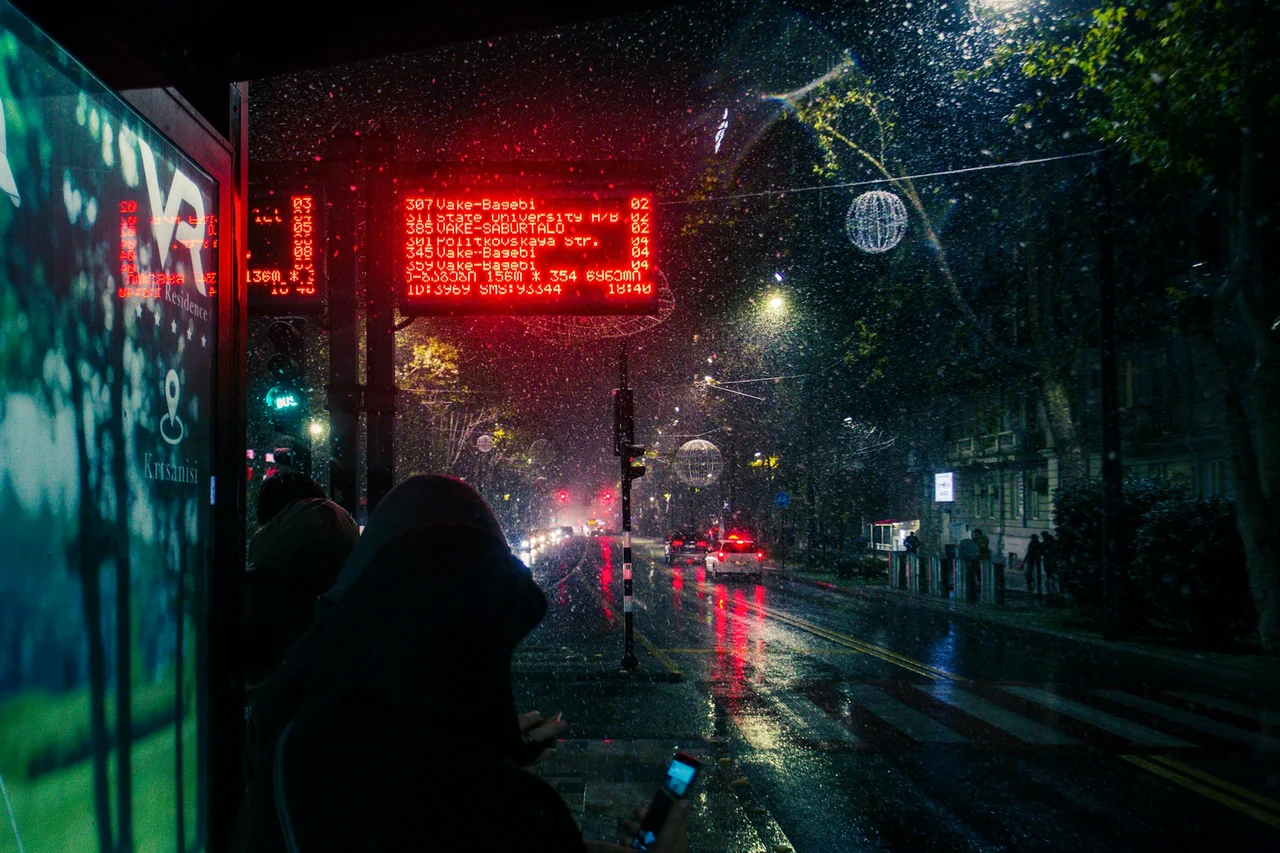
Tbilisi's public transport is cheap, efficient, and covers nearly every corner of the city.
A single ride costs just 1 GEL (around $0.35), and the same card works on the metro, buses, and most marshrutkas.
The system runs from early morning until midnight, making it easy to explore without relying on taxis. Here's what you need to know before you go.
Quick Summary:
All public transport costs 1 GEL per ride, with free transfers within 90 minutes
You'll need a MetroMoney card (2 GEL deposit) or contactless bank card to ride
The metro runs 6 am to midnight with two lines and 23 stations
Buses are blue; marshrutkas are smaller minivans with Georgian-only signage
Ride-hailing apps like Bolt are affordable alternatives for door-to-door travel
How to Pay: MetroMoney Card & Travel Card
Tbilisi ditched paper tickets and cash payments years ago. Your options are the MetroMoney card or tapping a contactless bank card directly on the validator.
The MetroMoney card costs 2 GEL (refundable) and can be purchased at any metro station ticket office. Top it up at machines, bank terminals, or kiosks around the city. The best part? If you transfer between metro, bus, or marshrutka within 90 minutes, your second ride is free.
For longer stays, consider the Travel Card with unlimited rides. A one-day pass costs 3 GEL, while a weekly pass runs 20 GEL. This card works on the metro, buses, and the Rike-Narikala cable car - but note that each card is single-use only, meaning you can't share it with another passenger.
Contactless bank cards (Visa, Mastercard, Apple Pay, Google Pay) work on buses and the metro, though fares run slightly higher at around 1.50 GEL per trip.
Metro, Buses & Marshrutkas: Which to Use
The metro is your fastest option, especially during rush hour. Two lines connect 23 stations: the Akhmeteli-Varketili Line (red) runs through the city center and Old Town, while the Saburtalo Line (green) serves western residential areas. Trains run every 2-3 minutes during peak times and every 10-12 minutes late at night. Station names are announced in Georgian and English.
Buses are blue, display digital route numbers, and cover areas the metro doesn't reach. Operating hours run roughly 7am to 11pm. Apps like Moovit or the official Tbilisi Transport Company app help track arrivals in real time.
Marshrutkas are the wild cards. These minivans follow fixed routes but stop on demand - wave one down from the roadside or tell the driver "ga-a-che-ret" when you want off. Destinations are displayed in the window, usually in Georgian only. Most accept MetroMoney, but some private operators still prefer cash (0.80-1 GEL). They're faster than buses for certain routes, though they get crowded and offer little legroom.
For intercity travel, Didube station handles destinations north and west (Kazbegi, Mtskheta, Gori), while Ortachala covers the east (Kakheti wine region) and international routes.
Conclusion
Tbilisi's transport network is straightforward once you grab a MetroMoney card. Stick to the metro for speed, buses for wider coverage, and marshrutkas when you're feeling adventurous. For anything the public system doesn't cover, Bolt fills the gaps at reasonable prices. Budget around 5-10 GEL per day for transport, and you'll have the city at your feet.