Things to Do
25 Best Things to Do in Tbilisi: A Local's Complete Guide
Discover the 25 best things to do in Tbilisi, from ancient sulfur baths and Narikala Fortress to underground techno clubs and Georgian feasts.

Tbilisi sits at the crossroads of Europe and Asia, a city where Persian-tiled bathhouses neighbor Soviet brutalist architecture, and where evenings start at midnight.
The Georgian capital has become one of the most talked-about destinations in the Caucasus - and for good reason.
With its sulfur-fed thermal baths, world-renowned techno scene, mountains of cheese-filled bread, and some of the oldest wine traditions on the planet, Tbilisi offers travelers something they won't find anywhere else.
This guide covers the 25 best experiences in the city, from first-timer must-sees to spots only locals know about.
Quick Tips Before You Visit Tbilisi
Best time to visit: April-June and September-October offer mild weather and fewer crowds. Summer (July-August) gets hot and humid, while winter is cold but festive.
Currency: Georgian Lari (GEL). 1 EUR ≈ 3 GEL. Cards accepted most places, but carry cash for transport and small shops.
Getting around: Download the Bolt app for taxis. Metro and buses cost 1 GEL per trip - just tap your bank card on the reader.
Other important apps: get Glovo or Wolt for food delivery - lots of delivery options 24/7. Wise/Revolut for travel banking and cashing out from ATMs with minimal fees.
Safety: Tbilisi ranks among Europe's safest capitals. Stay aware of your belongings in crowded areas, and use the emergency number 112 if needed.
Language: Georgian is the official language, but English is widely spoken in tourist areas and by younger locals.
Tipping: 10% at restaurants is appreciated but not mandatory.
SIM cards: Buy a Magti or Geocell SIM at the airport or in the city for around 25 GEL with data. Or, get an eSim with Airalo.
Working hours: Tbilisi runs late. Many restaurants and shops don't open until 10-11am.
Where to Stay in Tbilisi
Old Town - Best for first-timers who want to be steps from the main attractions, sulfur baths, and lively bars. Expect narrow streets and higher prices.
Sololaki - My personal favorite. This 19th-century neighborhood has stunning Art Nouveau mansions, quiet streets, fantastic restaurants, and easy walking distance to everything. Great balance of atmosphere and convenience.
Marjanishvili/Chugureti - The creative hub. Home to Fabrika, the converted Soviet factory turned hostel-bar-coworking complex. Perfect for younger travelers and those who love street art and nightlife.
Vera - Leafy and residential with excellent coffee shops and boutiques. A bit more upscale, great for digital nomads on longer stays.
Avlabari - Budget-friendly and local. Across the river from Old Town, with the massive Holy Trinity Cathedral and authentic neighborhood vibes.
Hotel picks:
Budget: Fabrika Hostel & Suites (Marjanishvili)
Mid-range: The Blue Fox Hotel (Sololaki)
Boutique: Communal Hotel Plekhanovi
Luxury: Stamba Hotel, Rooms Hotel Tbilisi
Touristy / First-Time Must-Sees
#1. Narikala Fortress
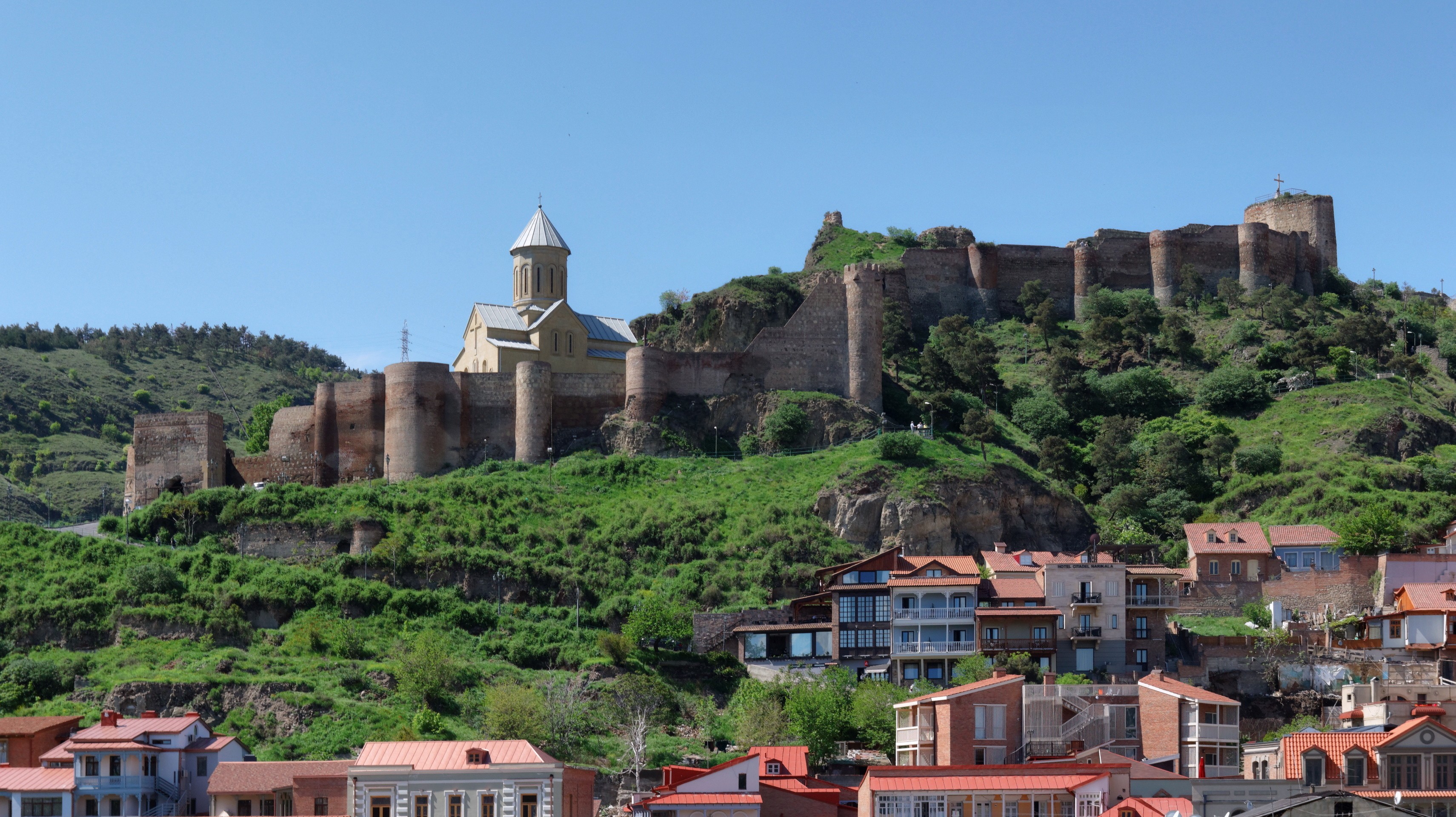
This ancient fortress has watched over Tbilisi since the 4th century, surviving Arab, Mongol, Persian, and Ottoman rule. Take the cable car from Rike Park (3 GEL one way) and walk the crumbling walls for the best panoramic views of the city - red rooftops, winding river, distant mountains.
The fortress itself is free to enter, though much of it was destroyed by an earthquake in 1827 and an ammunition explosion in the 19th century. The Mother of Georgia statue stands nearby, holding a sword and a cup of wine - the Georgian welcome in bronze form.
Note: The fortress was undergoing renovation in late 2025. Check current status before visiting.
Cost: Free entry; cable car 3 GEL
Google Maps: Narikala Fortress
#2. Sulfur Baths at Abanotubani
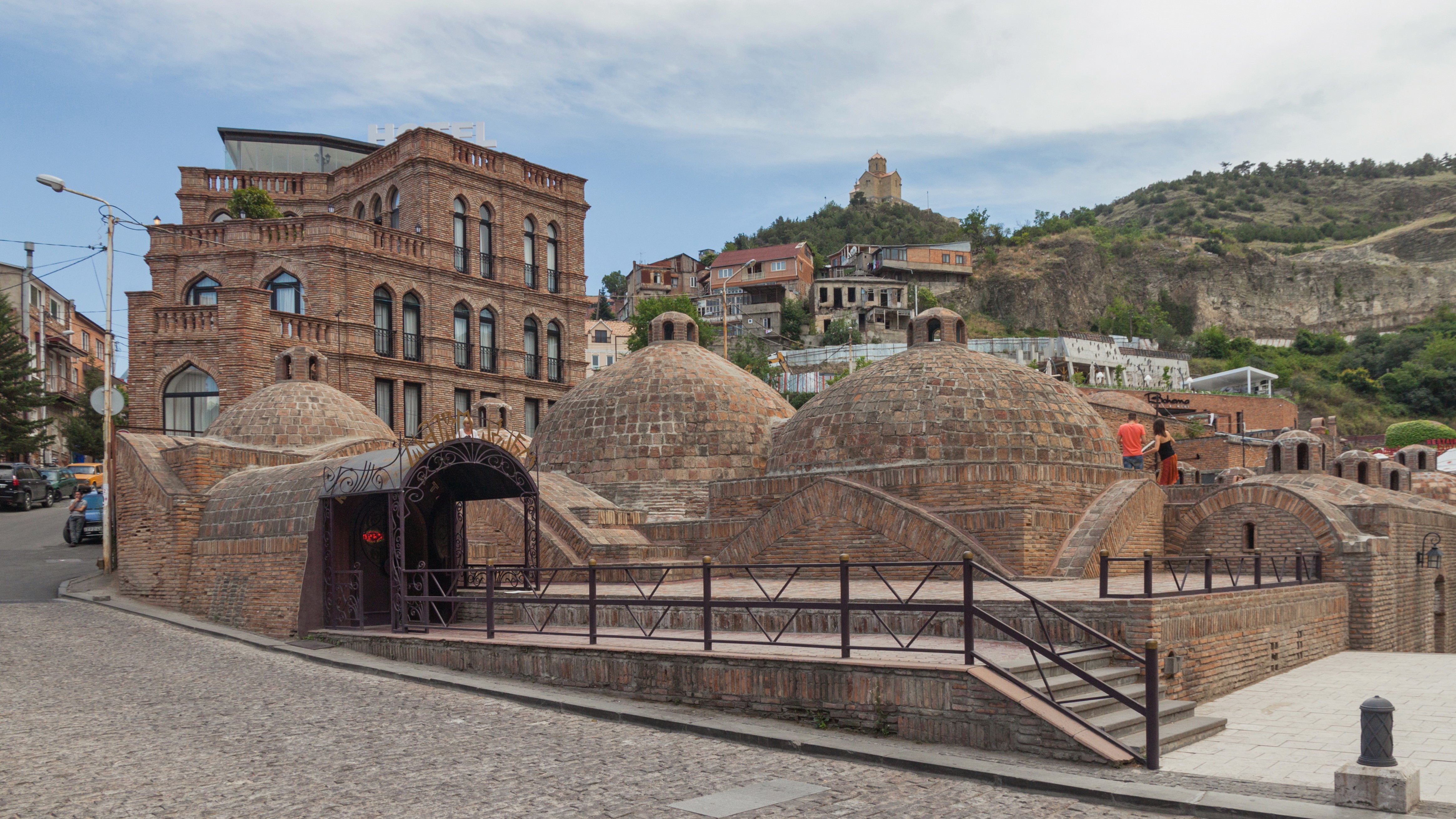
The city's name literally means "warm place" in Georgian - a nod to the natural hot springs that have drawn visitors for centuries. The sulfur bath district, Abanotubani, is built around these thermal springs, with its iconic brick domes poking out of the ground like giant molehills.
I recommend booking a private room rather than the public baths. Chreli Abano (Orbeliani Baths) is the most photographed with its stunning Persian-style blue mosaic facade, though it's pricier and more touristy. Gulo's Thermal Spa offers a more authentic experience with traditional domed rooms.
Don't skip the kisi scrub - an exfoliating treatment with a coarse mitt that leaves your skin feeling brand new. Book at least a day ahead, especially during peak season.
Google Maps: Chreli Abano
#3. Leghvtakhevi Waterfall
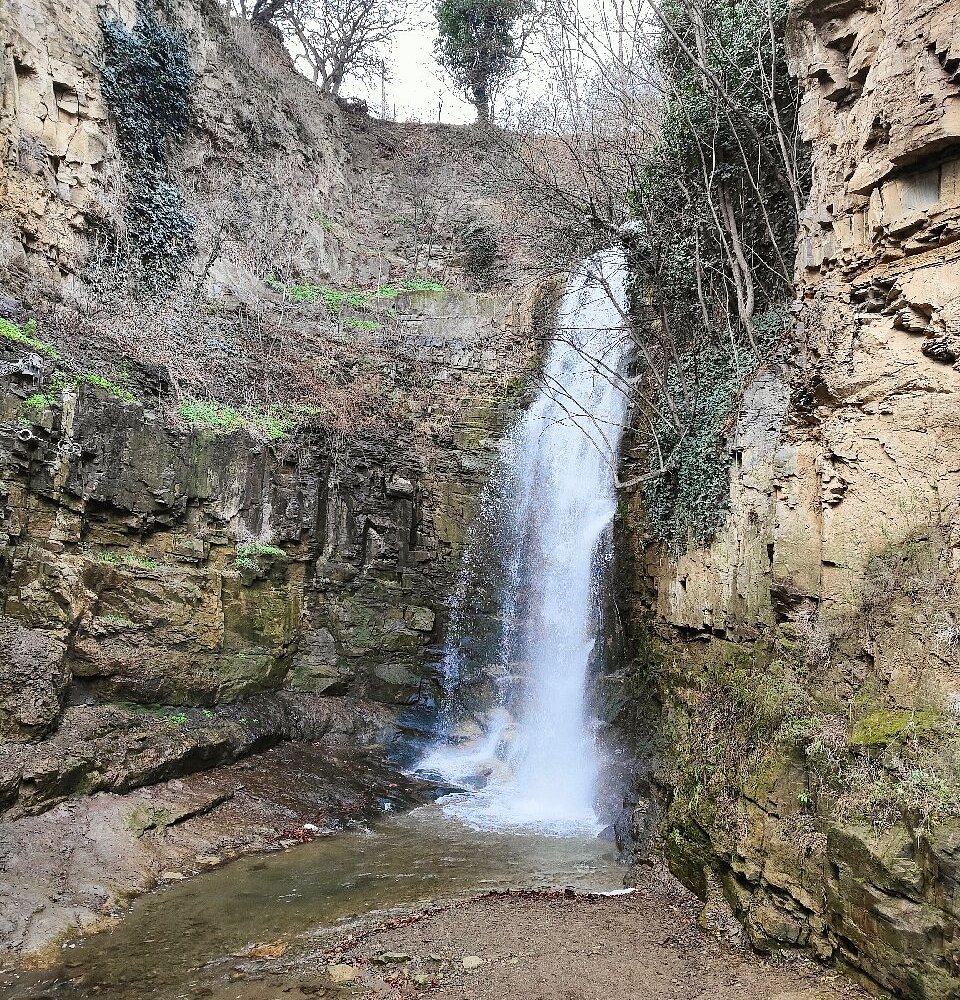
A hidden waterfall right in the heart of Old Town? Yes. Follow the path behind the sulfur baths through a narrow canyon carved by the Tsavkisis Tskali River. The 22-meter waterfall is especially impressive in spring when water levels are high. In winter, it sometimes freezes completely.
The walk through the gorge is free and takes about 15-20 minutes each way. Fig trees line the canyon walls, giving the area its name ("leghvi" means fig in Georgian).
Google Maps: Leghvtakhevi Waterfall
#4. The Bridge of Peace
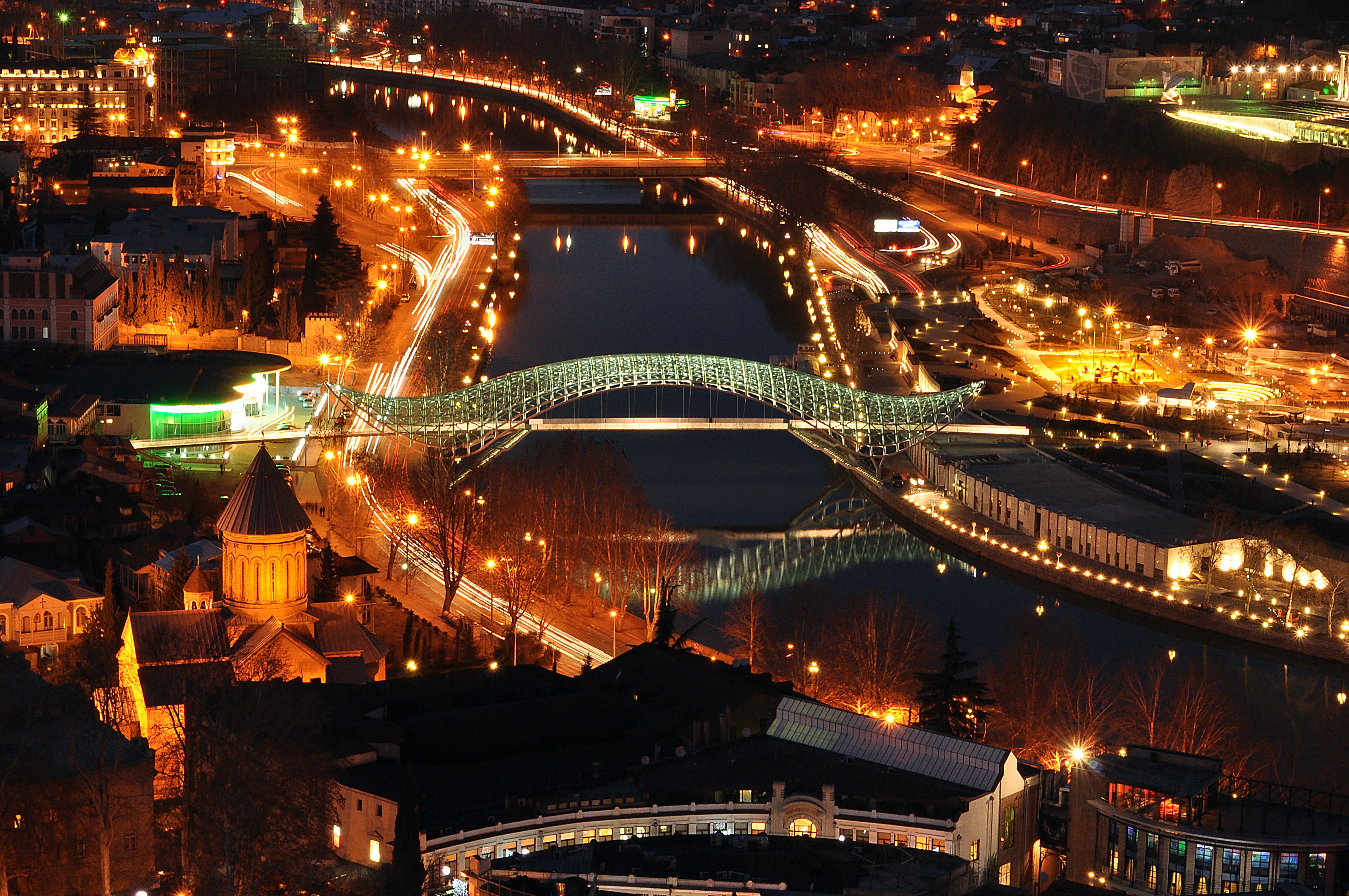
This glass-and-steel pedestrian bridge connects Old Town to Rike Park, curving like a sea creature over the Mtkvari River. Designed by Italian architect Michele De Lucchi, it opened in 2010 and lights up at night with thousands of LEDs.
Love it or hate it (and plenty of locals have opinions), the bridge is now an iconic part of Tbilisi's skyline. Walk across at sunset for the best photos.
Google Maps: Bridge of Peace
#5. Holy Trinity Cathedral (Sameba)
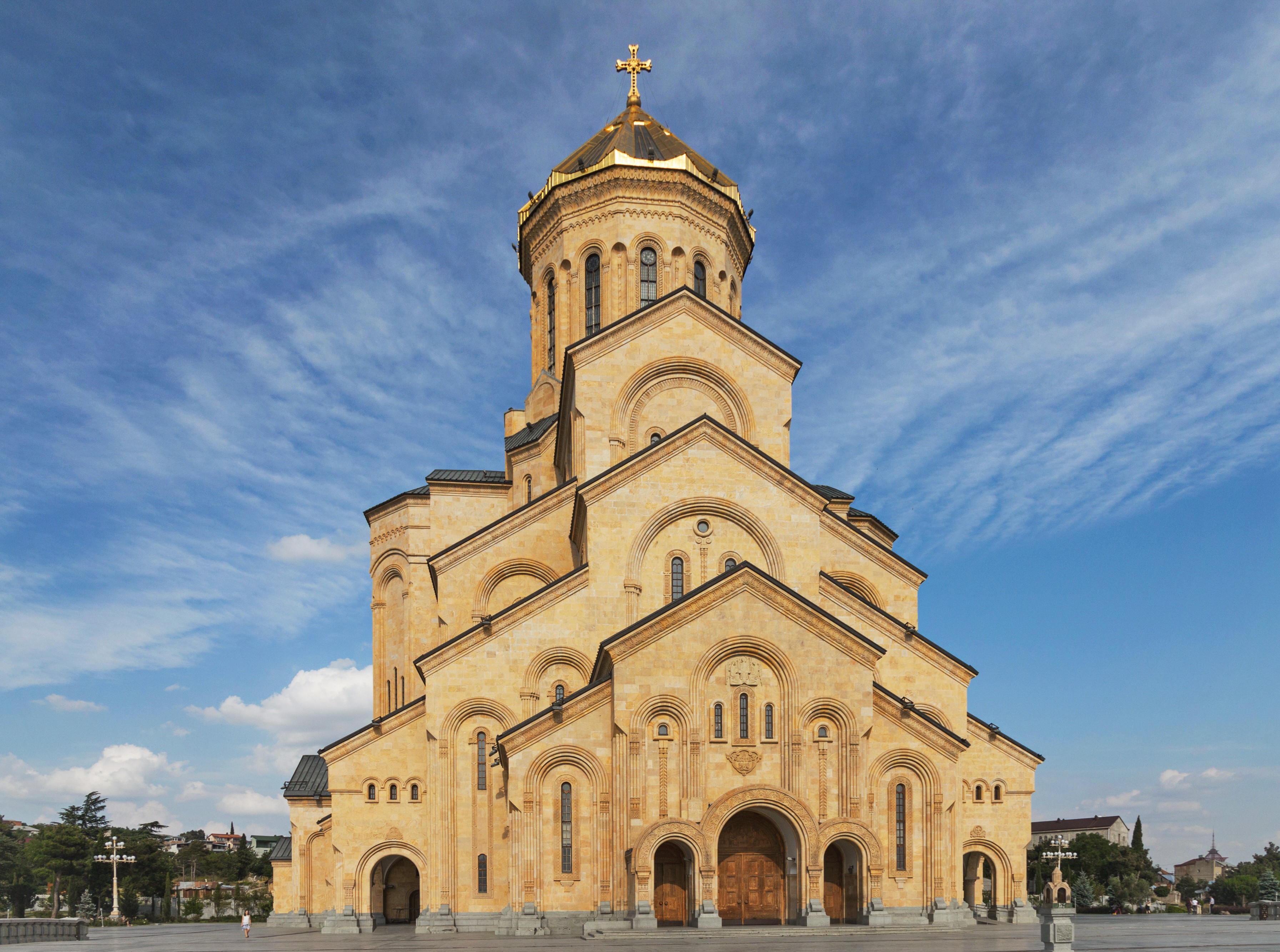
The third-tallest Eastern Orthodox cathedral in the world dominates the Tbilisi skyline from its hilltop perch in Avlabari. Built between 1995 and 2004, Sameba (meaning "Trinity") is relatively new, but its golden domes and massive scale make it a must-see.
The interior is still being decorated with traditional frescoes. Entry is free, but dress modestly - women should cover their heads (scarves available at the entrance), and everyone should cover shoulders and knees.
Google Maps: Holy Trinity Cathedral
Cultural & Historical Things to Do
#6. Georgian National Museum
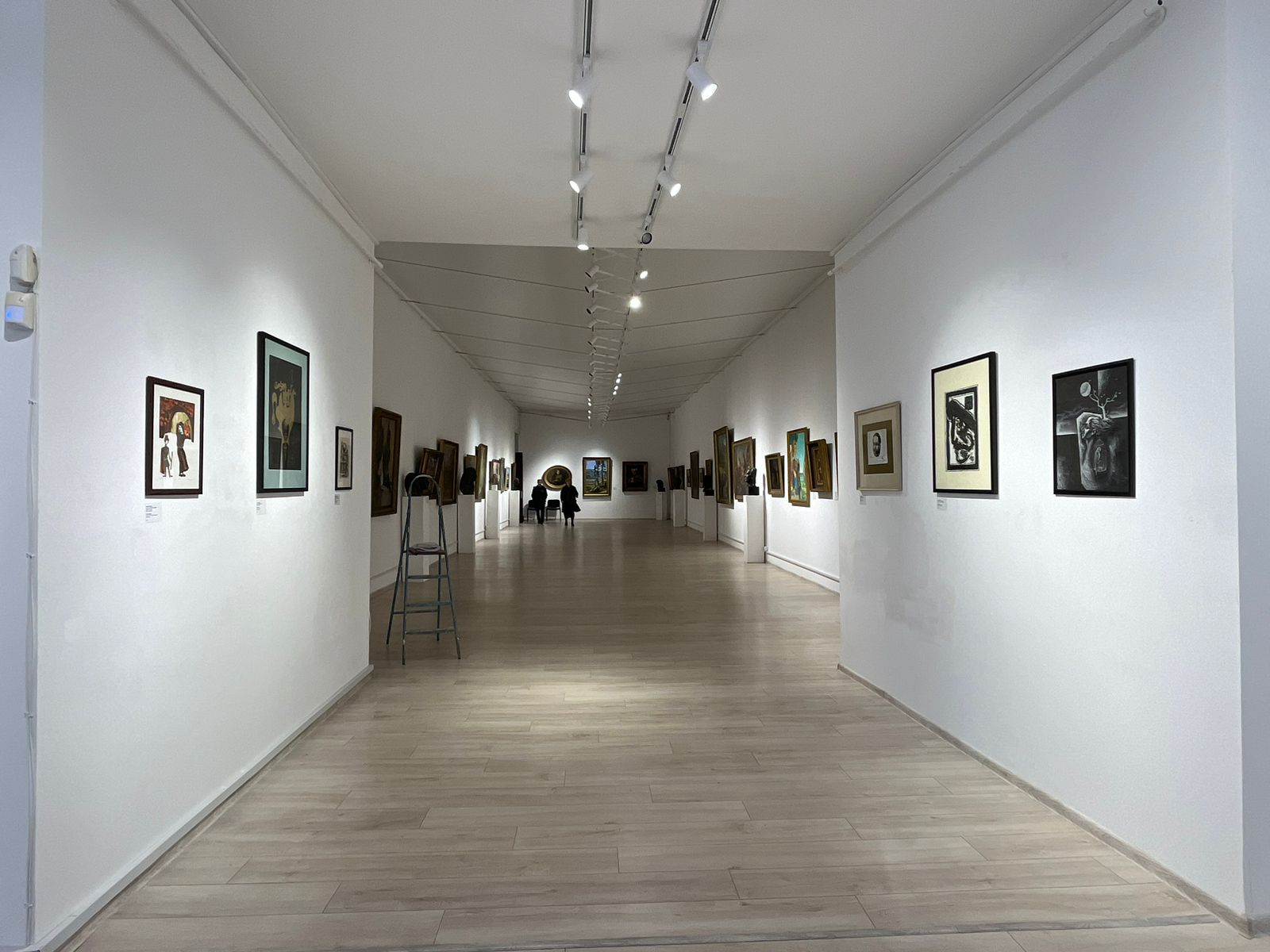
The treasure vault of Georgian history and archaeology. The main branch on Rustaveli Avenue houses everything from pre-Christian gold artifacts to the Soviet Occupation Museum in the basement.
Don't miss the Archaeology Treasury with its Colchian gold (yes, as in the Golden Fleece legend) and the grim but important Soviet exhibition documenting Georgia's years under Communist rule.
Cost: 15 GEL; Soviet Occupation Museum free
Google Maps: Georgian National Museum
#7. Rezo Gabriadze Puppet Theater & Clock Tower
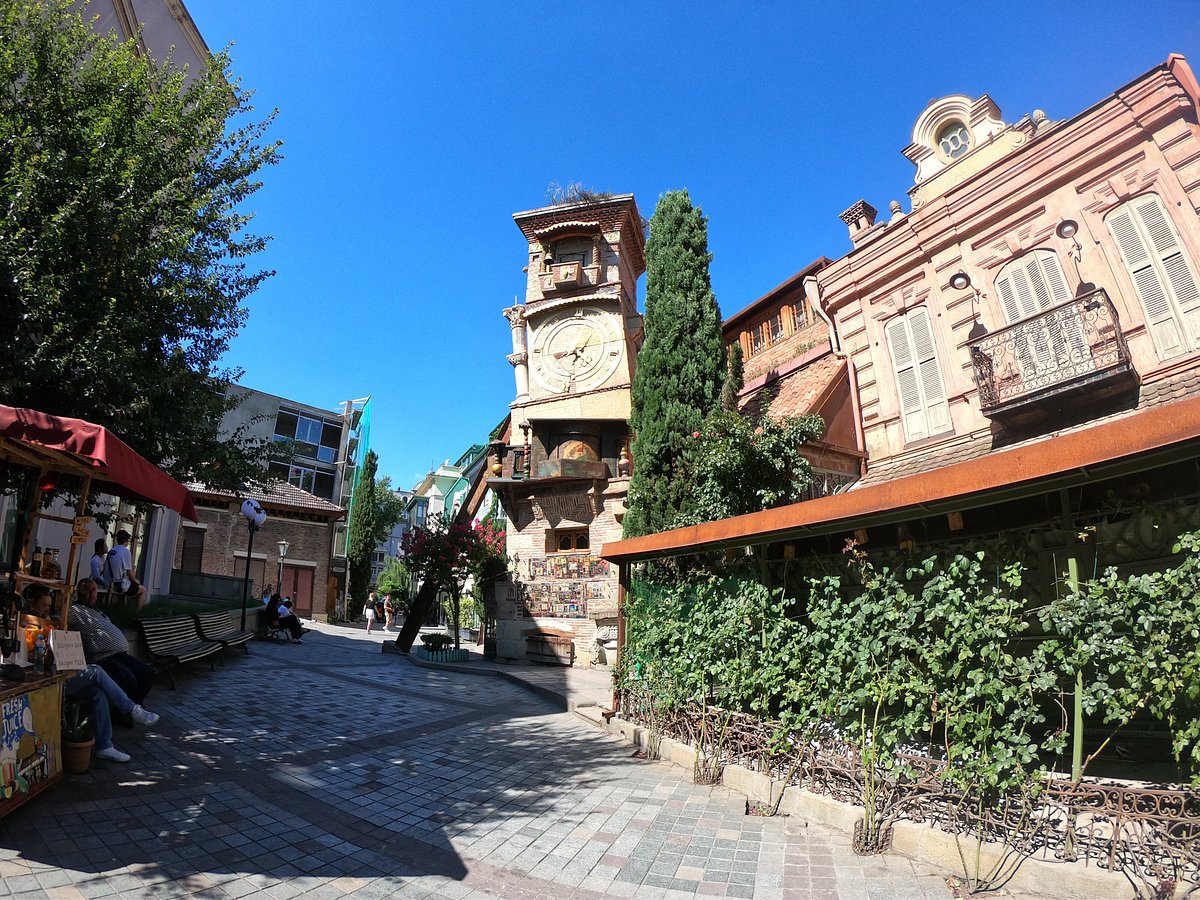
The quirky clock tower beside the Gabriadze Theater has become one of Tbilisi's most beloved landmarks. Every hour, a mechanical angel emerges to ring the bell. At noon and 7pm, a small puppet show plays out depicting the circle of life.
The theater itself hosts performances that are renowned worldwide - mature, emotional puppet shows that transcend the usual definition of the art form. Performances sell out, so book ahead.
Google Maps: Gabriadze Theater
#8. Rustaveli Avenue
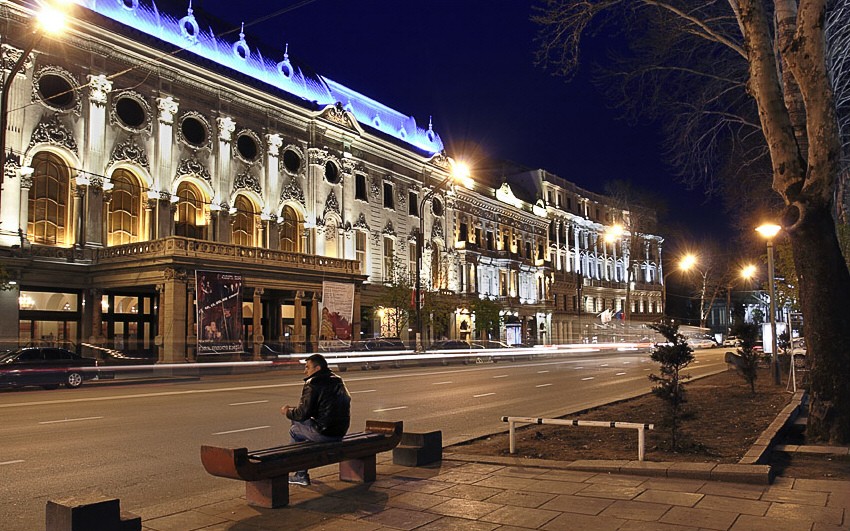
Tbilisi's grand boulevard stretches from Freedom Square to the Rustaveli metro station, lined with theaters, museums, government buildings, and upscale shops. Named after the medieval Georgian poet Shota Rustaveli, this is where you'll find the Opera House, Parliament building, and many of the city's cultural institutions.
It's also where protests happen (usually peaceful, in front of Parliament). Walk the avenue in the evening when locals stroll and the buildings light up.
Google Maps: Rustaveli Avenue
#9. Chronicles of Georgia (History Memorial of Georgia)
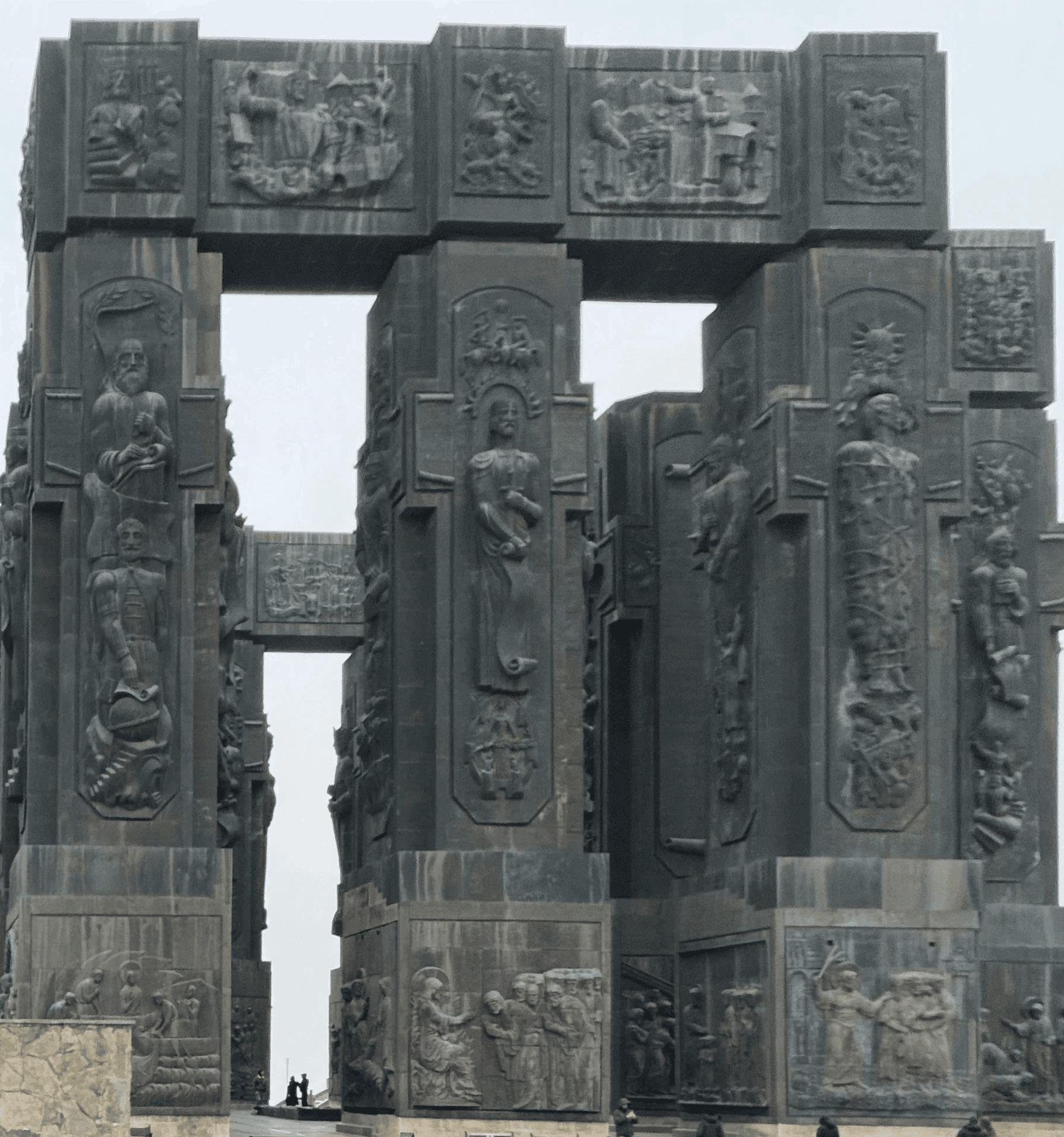
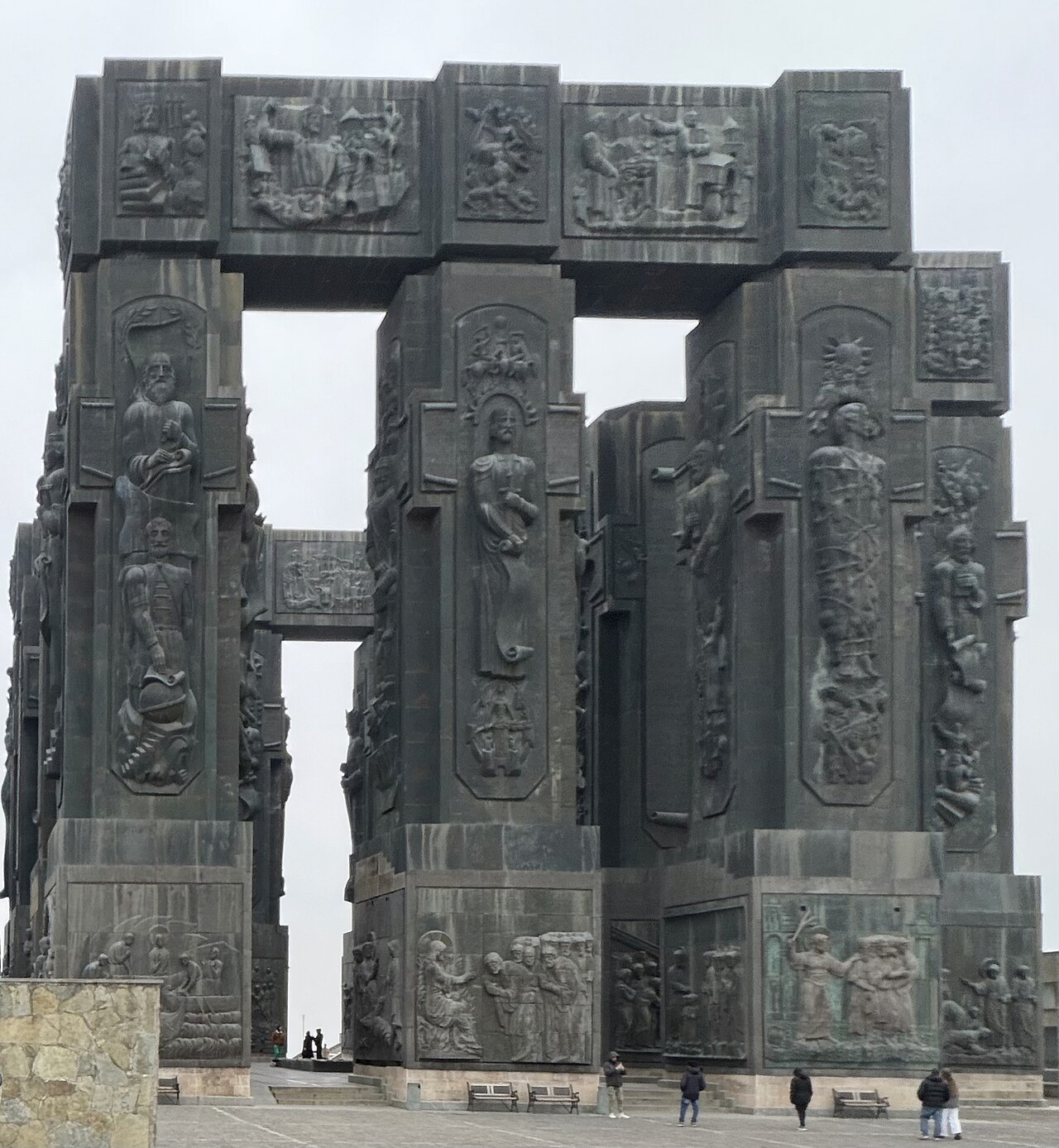
About 30 minutes from the city center, these massive stone pillars rise from a hilltop overlooking the Tbilisi Sea (a reservoir). Designed by sculptor Zurab Tsereteli, the monument depicts Georgian history - saints, kings, and Christ on the cross - carved into 30+ meter columns.
Think of it as Georgia's Stonehenge, with better views. The site is free, uncrowded, and perfect for sunset. Get there by taxi or bus 53 from Turtle Lake.
Google Maps: Chronicles of Georgia
#10. Dry Bridge Flea Market
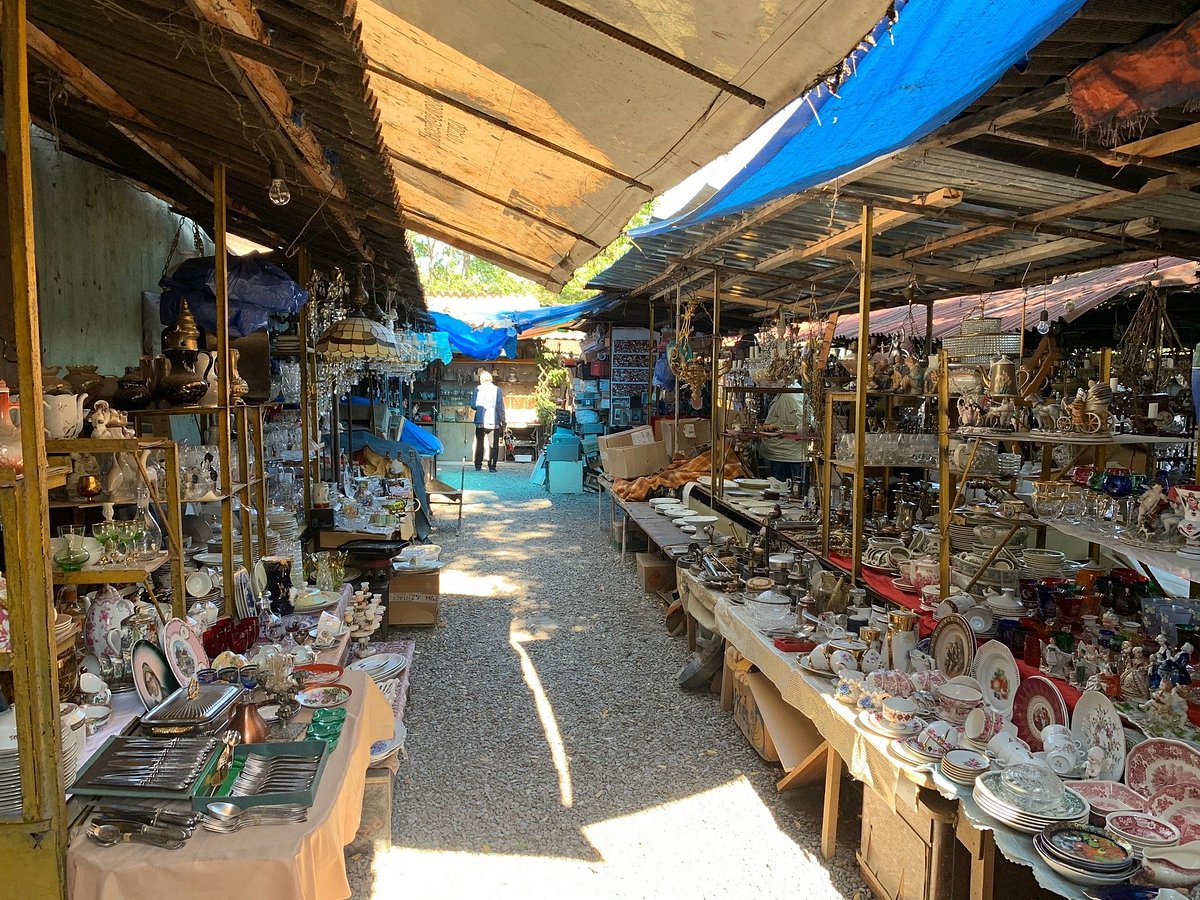
Every weekend, vendors spread their Soviet-era treasures across the Dry Bridge area near Dedaena Park. You'll find old medals, vinyl records, traditional daggers, Soviet propaganda posters, antique jewelry, oil paintings, and mountains of quirky oddities.
Haggling is expected. Even if you don't buy anything, it's one of the best people-watching spots in the city. Weekends are busiest, but some vendors set up daily.
Google Maps: Dry Bridge Market
Unique / Only-in-Tbilisi Experiences
#11. Take the Funicular to Mtatsminda Park
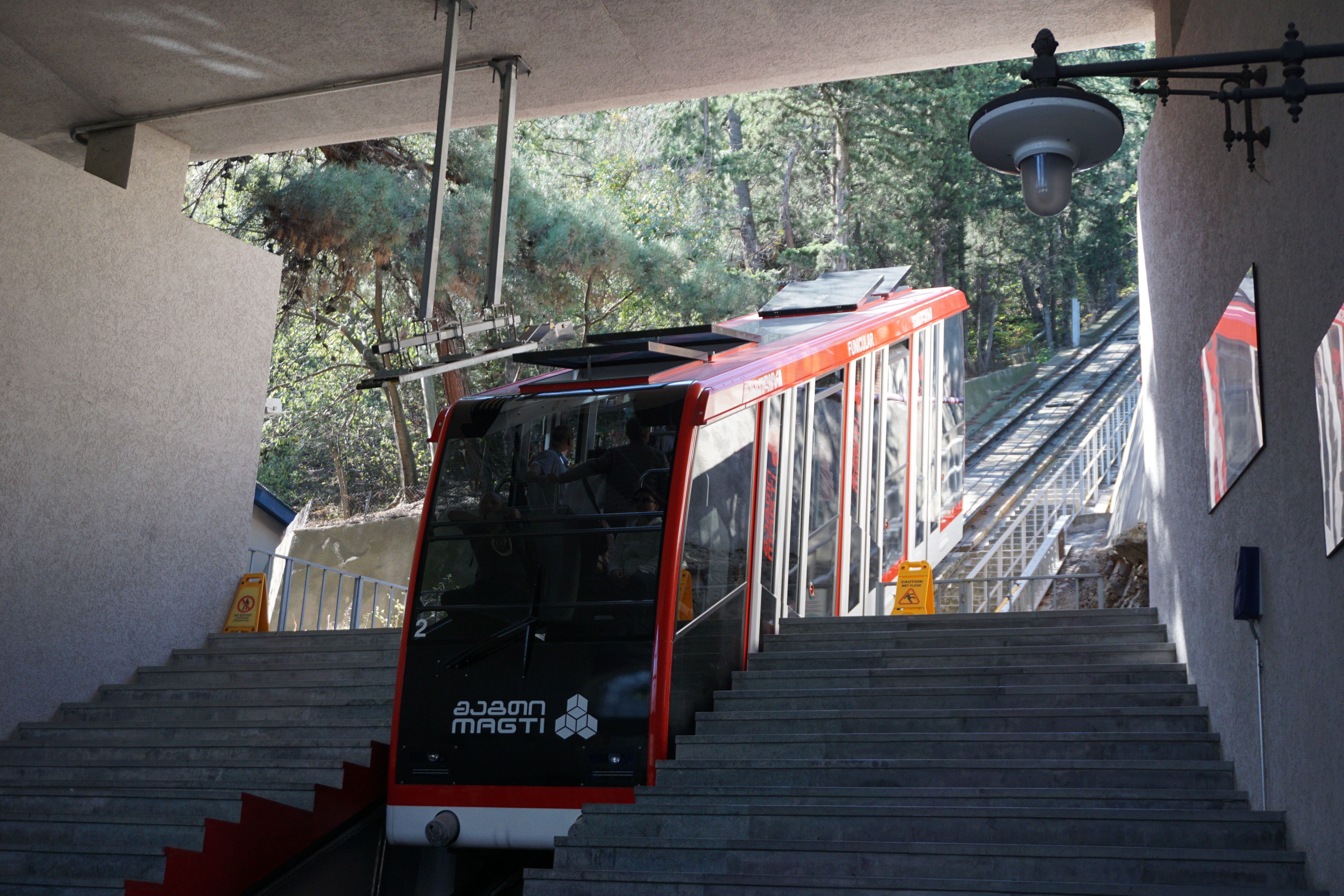
The 1905 funicular railway climbs from Chonkadze Street to the top of Mtatsminda ("Holy Mountain"), where you'll find an amusement park with a giant Ferris wheel, vintage Soviet rides, restaurants, and some of the best views in the city.
The funicular itself is half the experience - a charming wood-paneled train car from another era. The park is popular with families and couples, especially on warm evenings.
Google Maps: Tbilisi Funicular
#12. Explore Fabrika
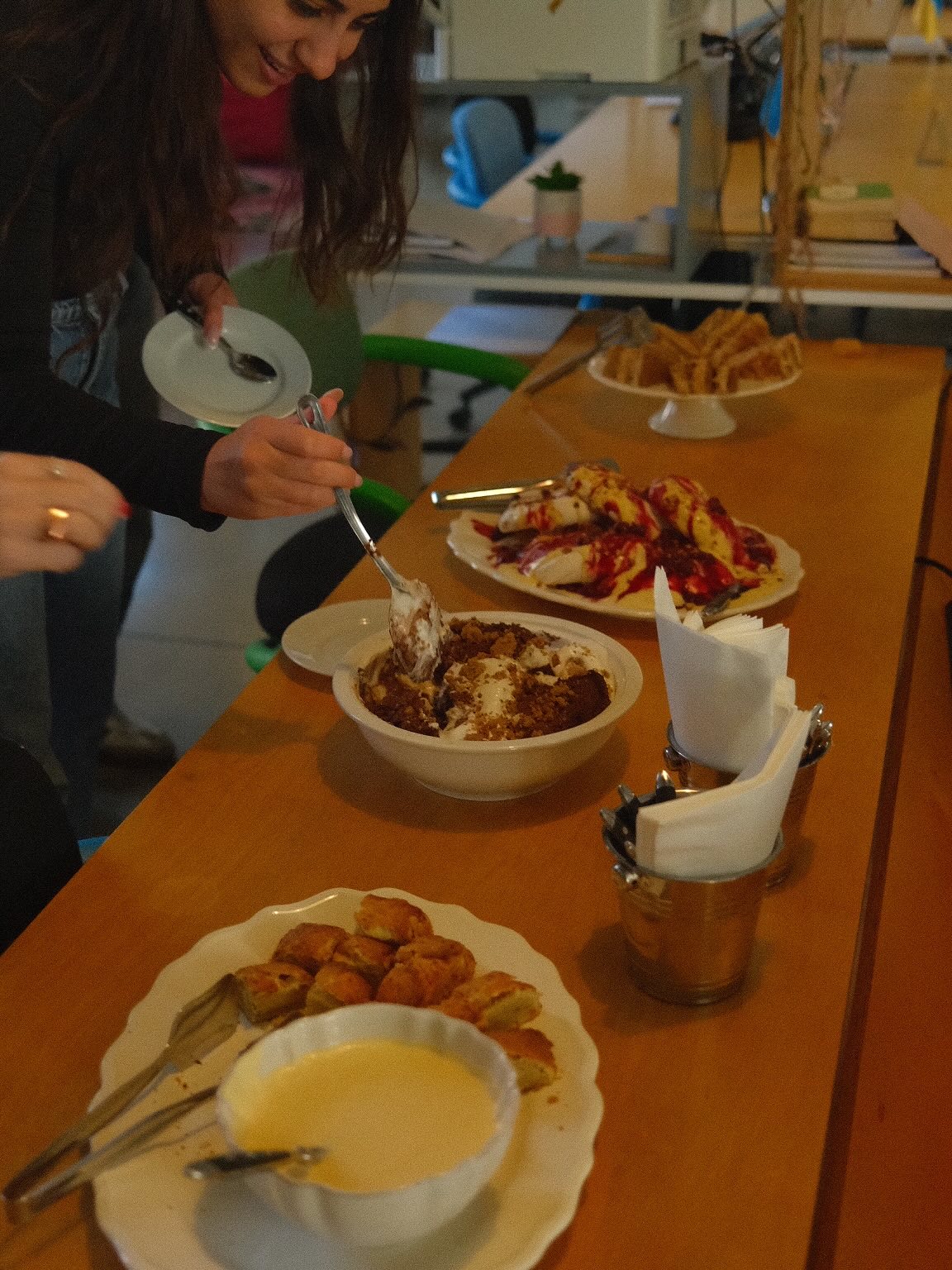
This former Soviet sewing factory has been transformed into Tbilisi's creative hub - a sprawling complex of hostels, bars, restaurants, shops, co-working spaces, and art studios built around a giant courtyard. It's where young Georgians and expats hang out, work, and party.
Even if you're not staying at the hostel, come for the vibe, especially on weekend nights when the courtyard fills with people, music, and events.
Google Maps: Fabrika
#13. Wander the Colorful Balconies of Old Town
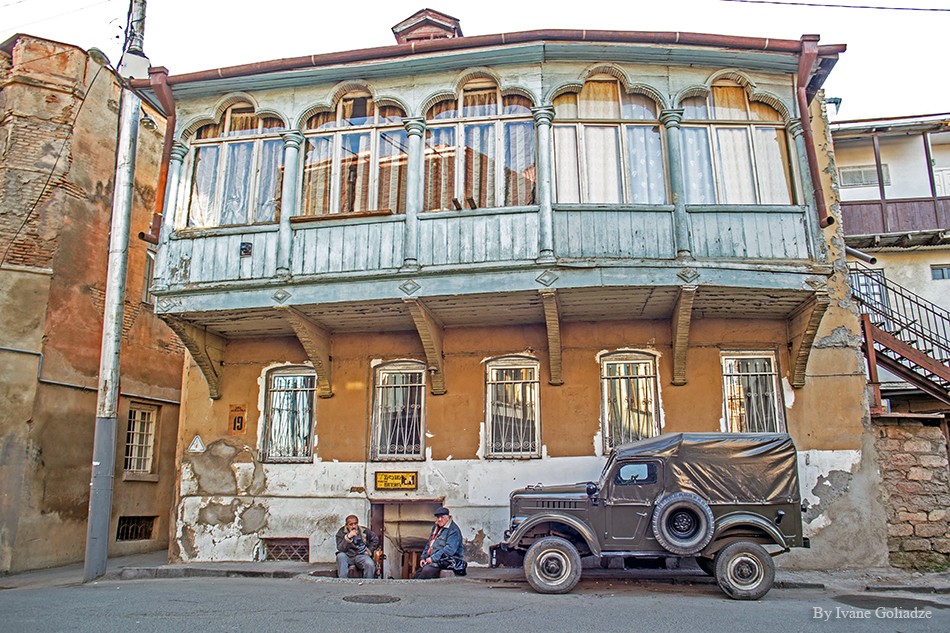
Tbilisi's trademark wooden balconies, often painted in blues, greens, and terracottas, cascade down narrow streets in layers. These "Italian courtyards" were built during the 19th-century Russian Empire era when wealthy merchants constructed European-style mansions.
Some are beautifully restored; others are charmingly decrepit. The best areas for balcony-spotting are Betlemi Rise in Old Town and the streets of Sololaki. Just wander - getting lost is part of the fun.
#14. Georgian Polyphonic Singing Performance
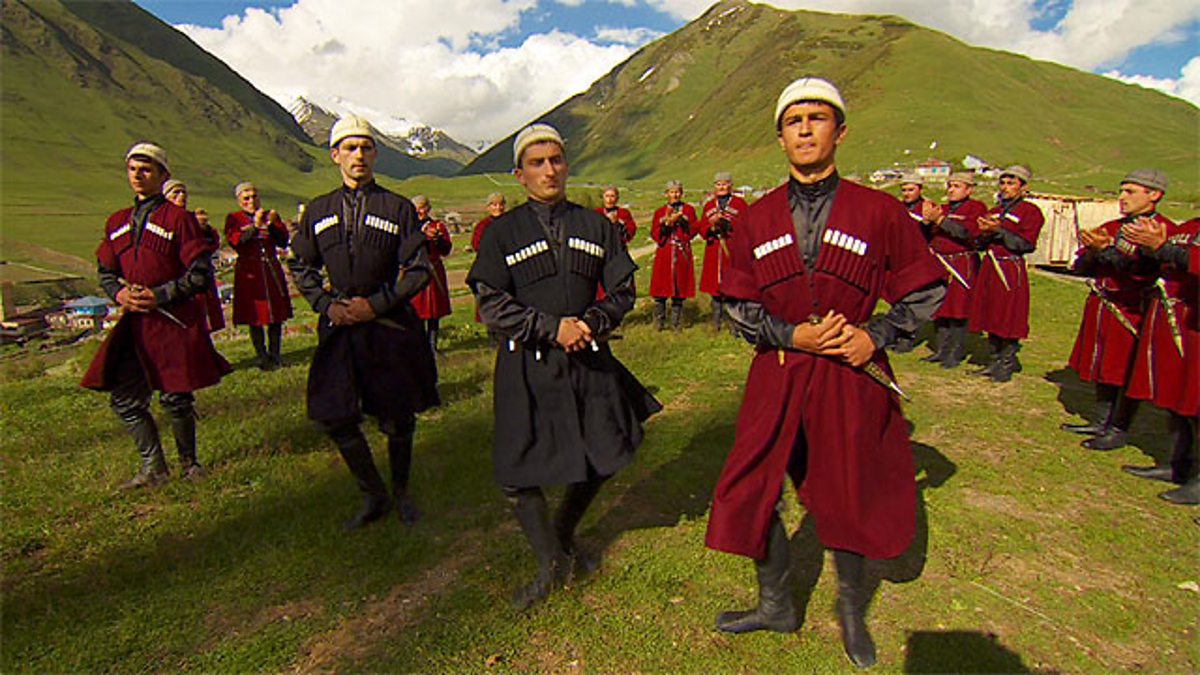
UNESCO-recognized Georgian polyphonic singing dates back centuries and sounds like nothing else on earth - three-part harmonies that are simultaneously haunting and uplifting. Several venues host performances, including Ethno Tsiskvili (which pairs the music with a traditional feast).
For a more intimate experience, check the schedule at Sheen-Aura bar in Saburtalo, where Friday folk nights feature local singers in a family-run setting.
#15. Visit a Qvevri Winery
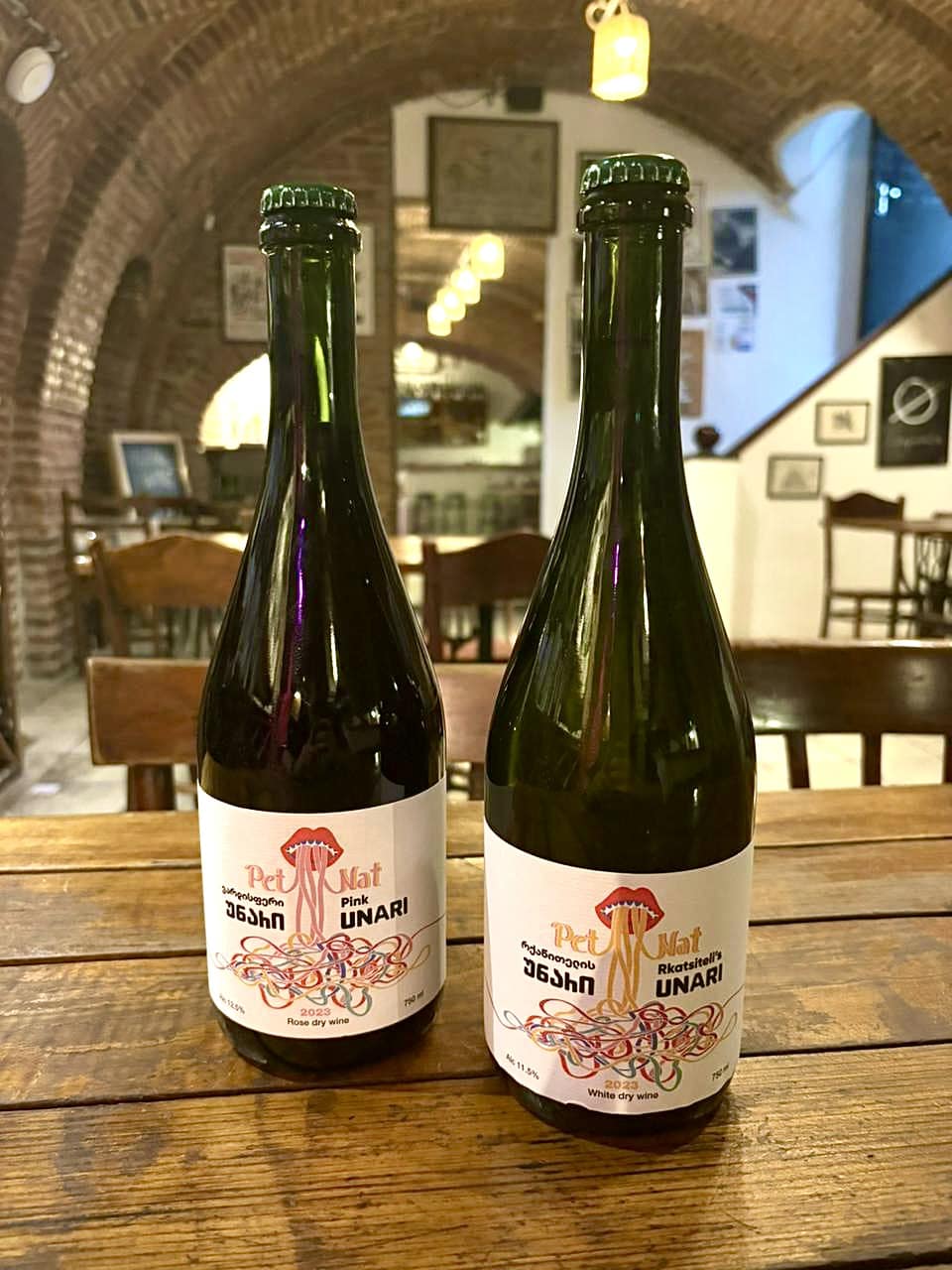
Georgia claims to be the birthplace of wine - 8,000 years of winemaking history. Traditional Georgian wine is fermented in qvevri, large clay vessels buried underground. Several wine bars and restaurants in Tbilisi let you see qvevri up close and taste amber wines (white wines fermented with grape skins).
Vino Underground near Freedom Square has one of the best selections. For a full immersion, take a day trip to the Kakheti wine region.
Google Maps: Vino Underground
Food & Drink Experiences
#16. Eat Khinkali Until You Can't Move
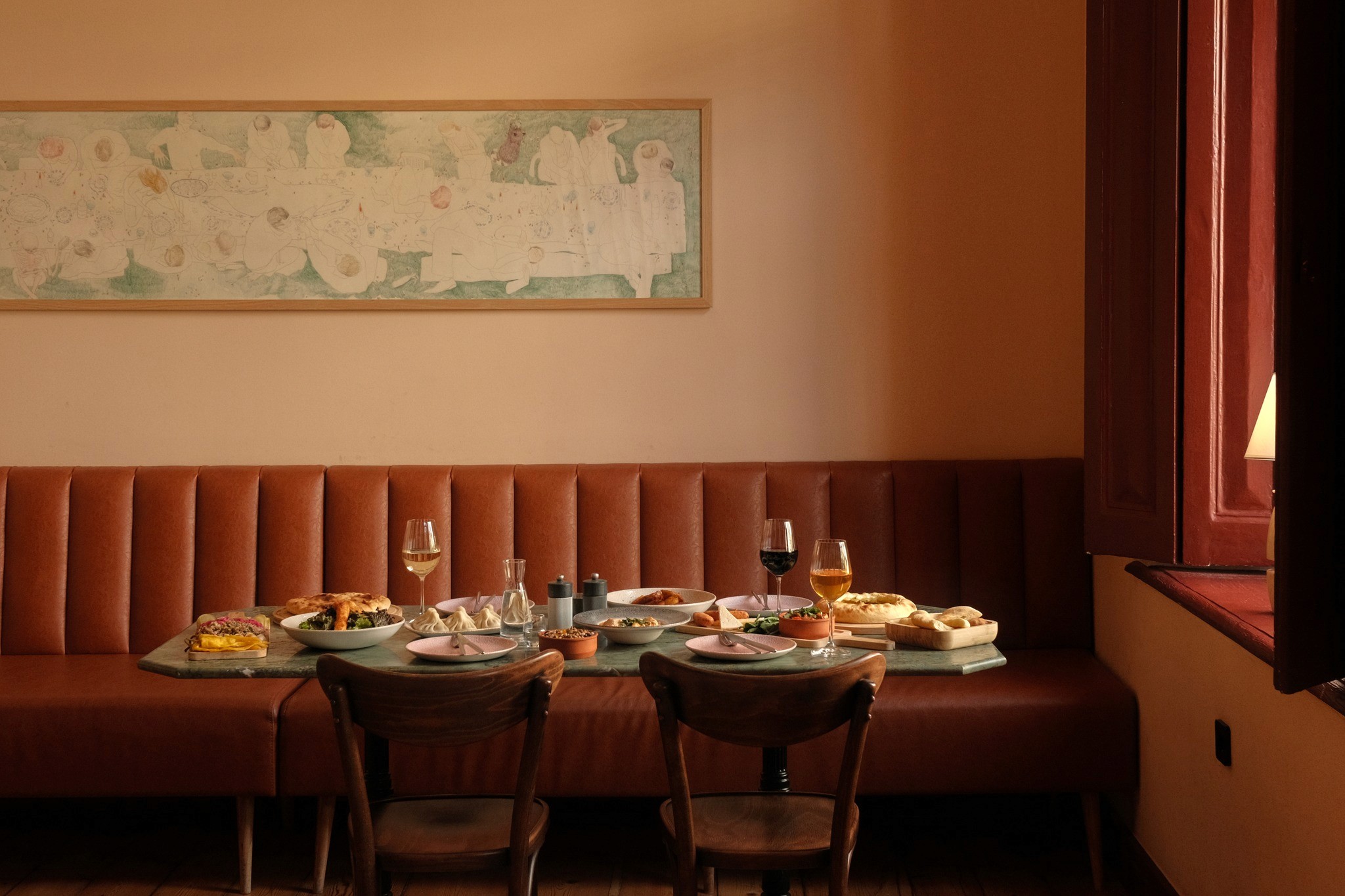
Khinkali - Georgian soup dumplings - are a national obsession. These pleated parcels are filled with spiced meat (or mushrooms, cheese, or potato) and broth. The proper technique: grab by the "knob" at the top, bite a small hole, slurp the soup, eat the dumpling, discard the knob. Count your knobs to track your progress.
Where to try them:
Cafe Daphna - Simple, cozy, often called the best khinkali in Tbilisi
Shemomechama - Multiple locations, open kitchen, fun atmosphere
Pasanauri - Reliable chain, the Liberty Square location is best
#17. Drown in Khachapuri
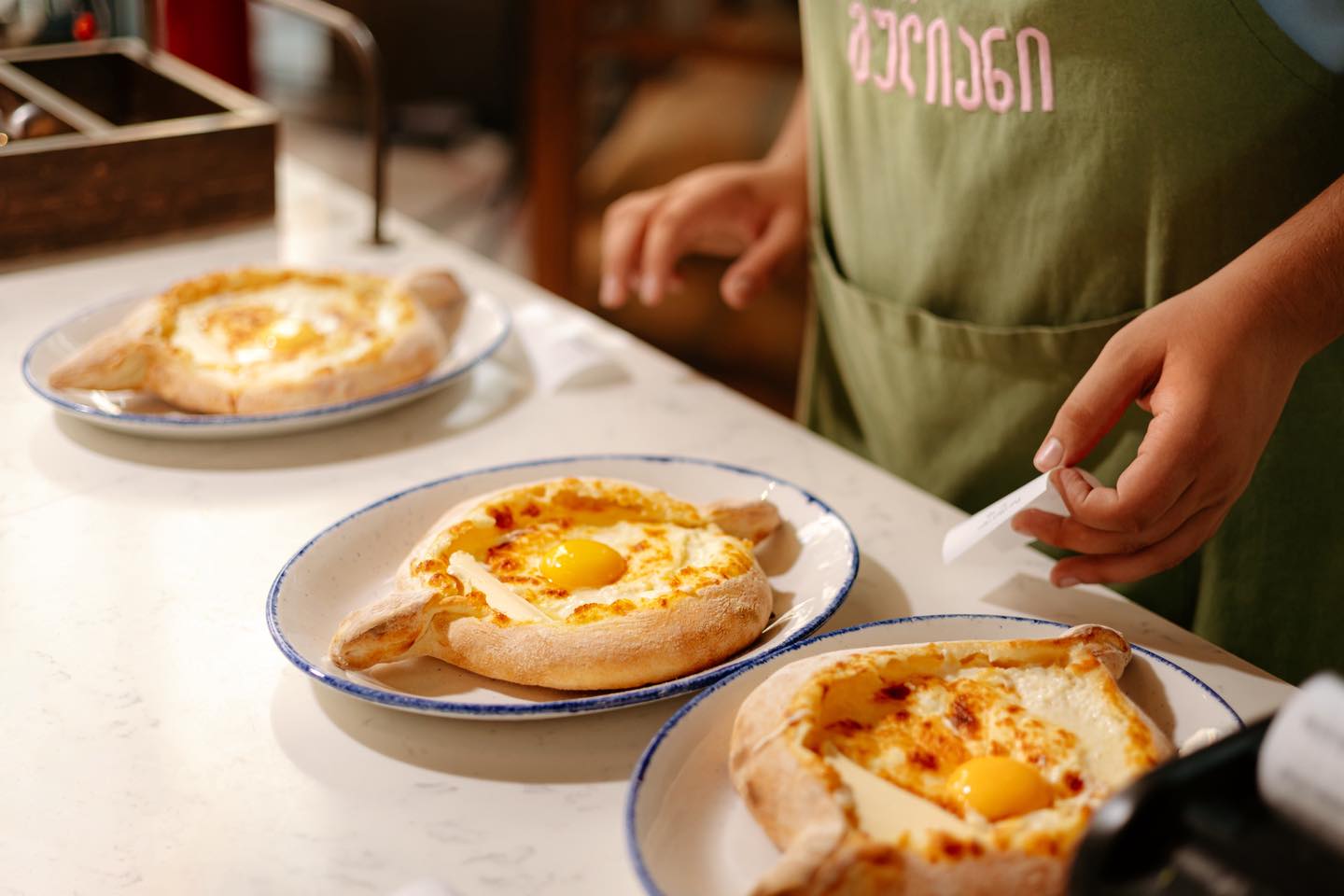
Georgia's cheese-filled bread comes in regional varieties. Imeruli is the round pizza-style version; Adjaruli (from Adjara on the Black Sea) is boat-shaped and topped with an egg and butter. The Adjaran version is rich enough to be a full meal - tear off pieces of the crust and stir them into the molten cheese center.
My favorite spot for Adjaruli khachapuri is Puri Guliani, because, well, just look at it!
Google Maps: Puri Guliani
#18. Georgian Feast at a Supra
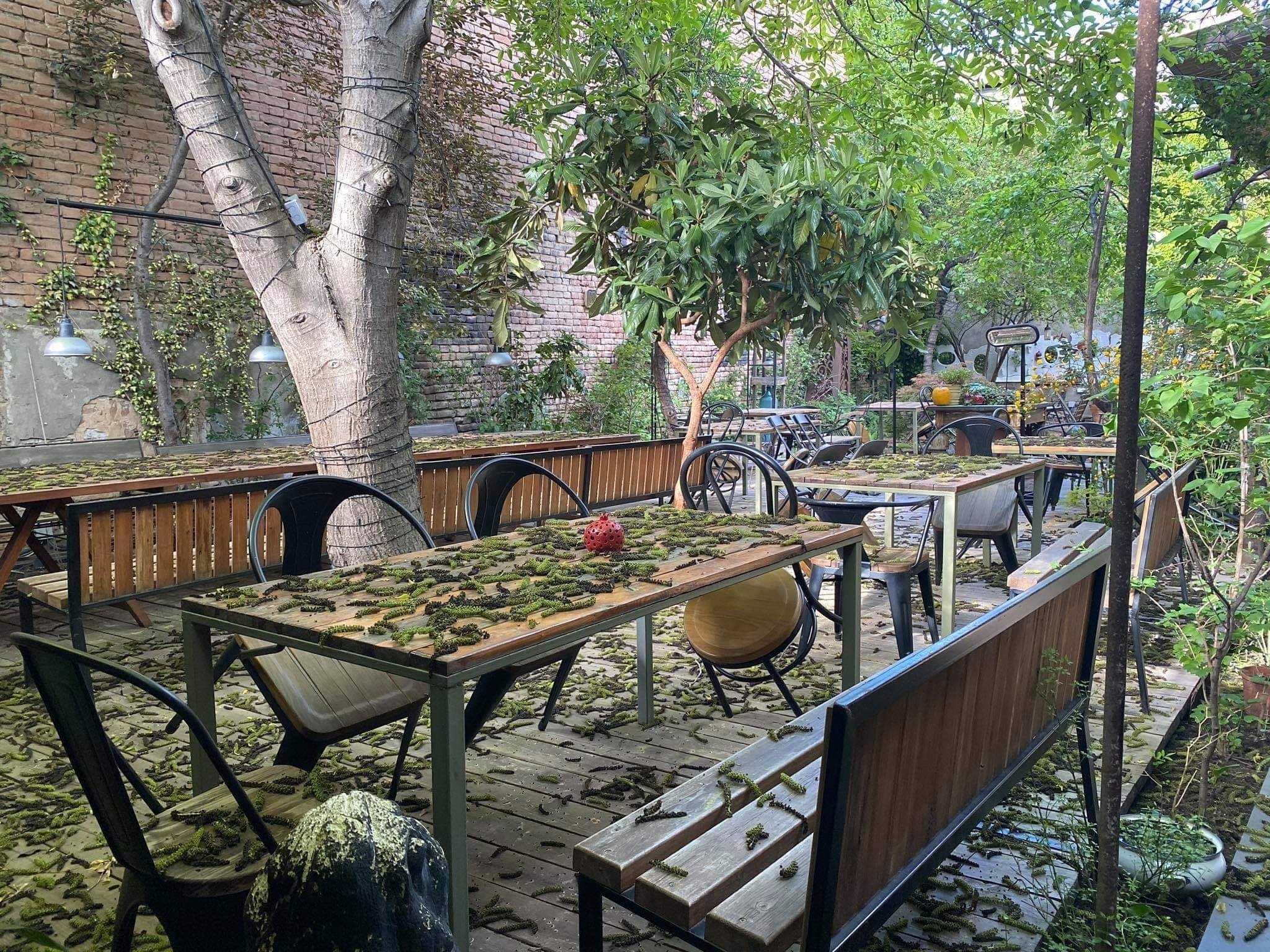
A traditional Georgian supra (feast) involves a table groaning under the weight of dishes: pkhali (vegetable-walnut spreads), badrijani (eggplant rolls with walnut paste), mtsvadi (grilled meat), cheese, bread, salads, and endless toasts led by a tamada (toastmaster). Expect wine to flow freely - Georgian hospitality is legendary.
Where to experience it:
Ethno Tsiskvili - Traditional dinner with folk music and dancing
Shavi Lomi - Upscale Georgian in a charming garden setting
Keto and Kote - Fine dining in a historic house
Klike - Probably the best Khinkali I’ve had in Tbilisi
Georgian House - Another up-scale option, with (occasional) live Georgian dances
#19. Try Chacha (Georgian Grappa)
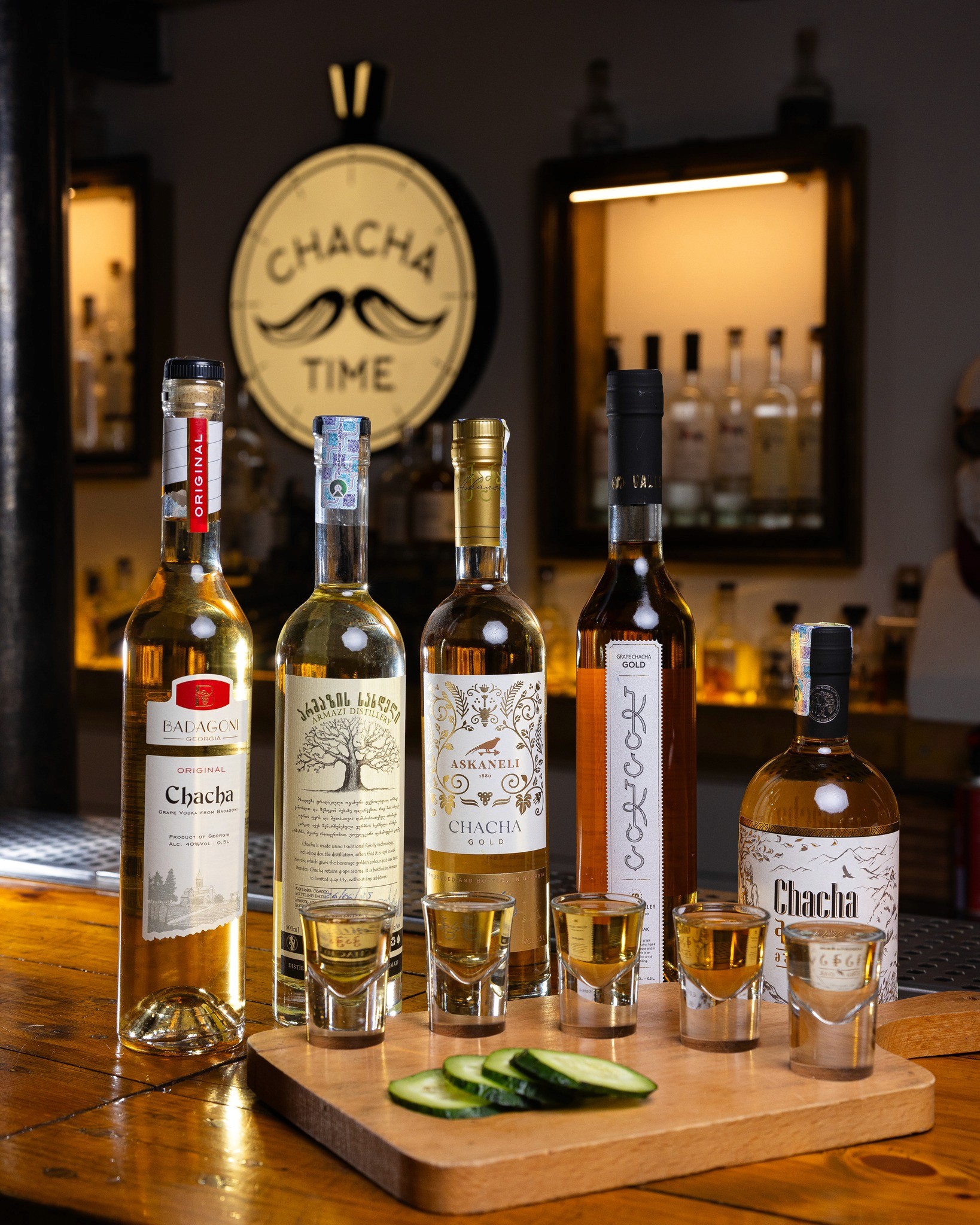
Chacha is Georgia's grape pomace brandy - essentially grappa made from the leftovers of winemaking. Homemade versions are common (sometimes dangerously strong), but bars serve refined commercial chacha.
Chacha Corner on Sioni Street is a friendly spot where owner Vato will pour you samples and share stories. Just pace yourself.
Alternatively, you can check out Chacha Time - a cocktail bar where everything is made with Chacha.
#20. Coffee and Breakfast at a Hipster Cafe
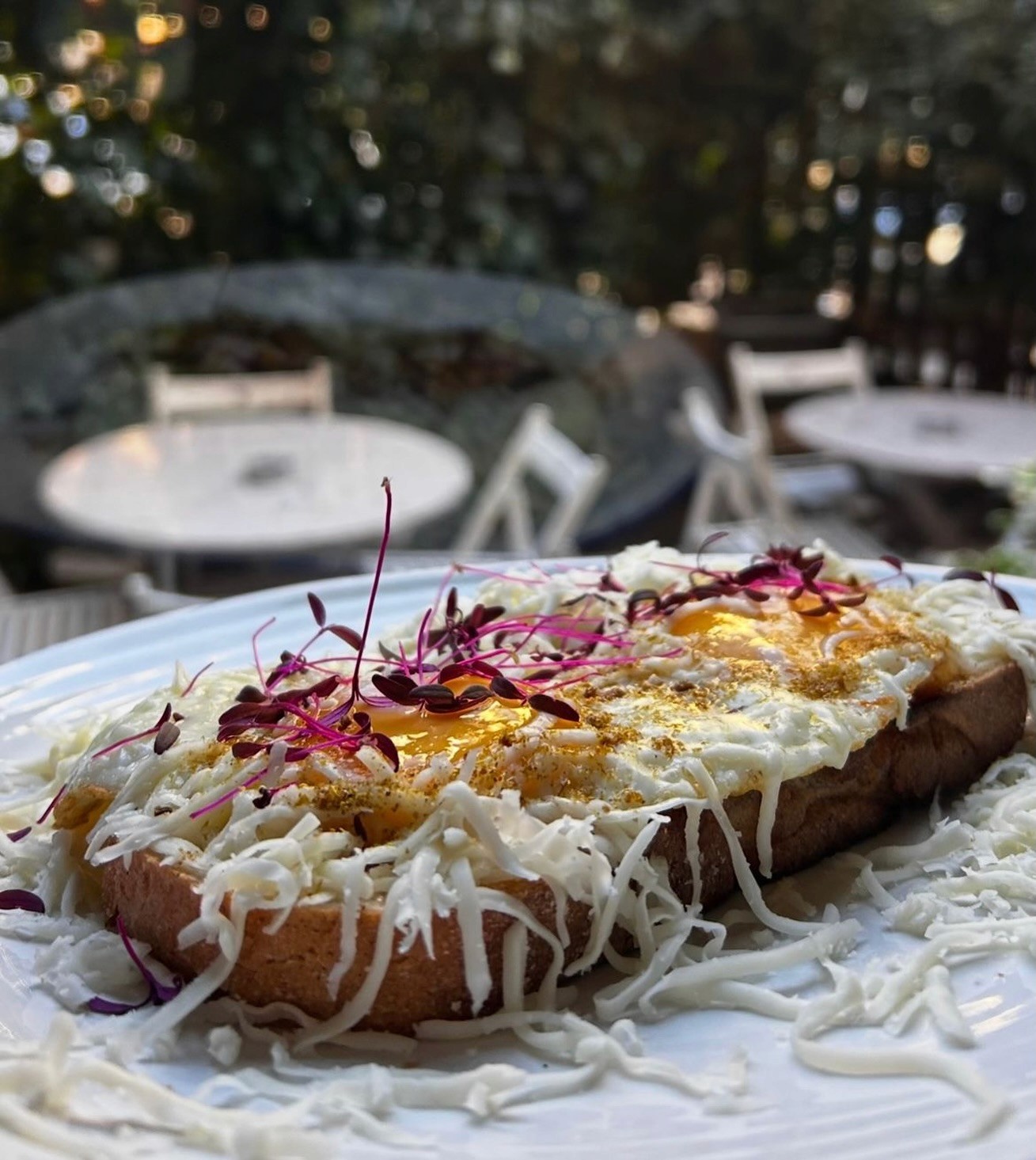
Tbilisi's cafe scene has exploded in recent years. For excellent coffee and breakfast: Kikliko serves sweet and savory pastries from early morning; Erti Kava is perfect for work sessions; Lineville has some of the best specialty coffee in the city.
Nightlife & Social Scene
#21. Dance at Bassiani
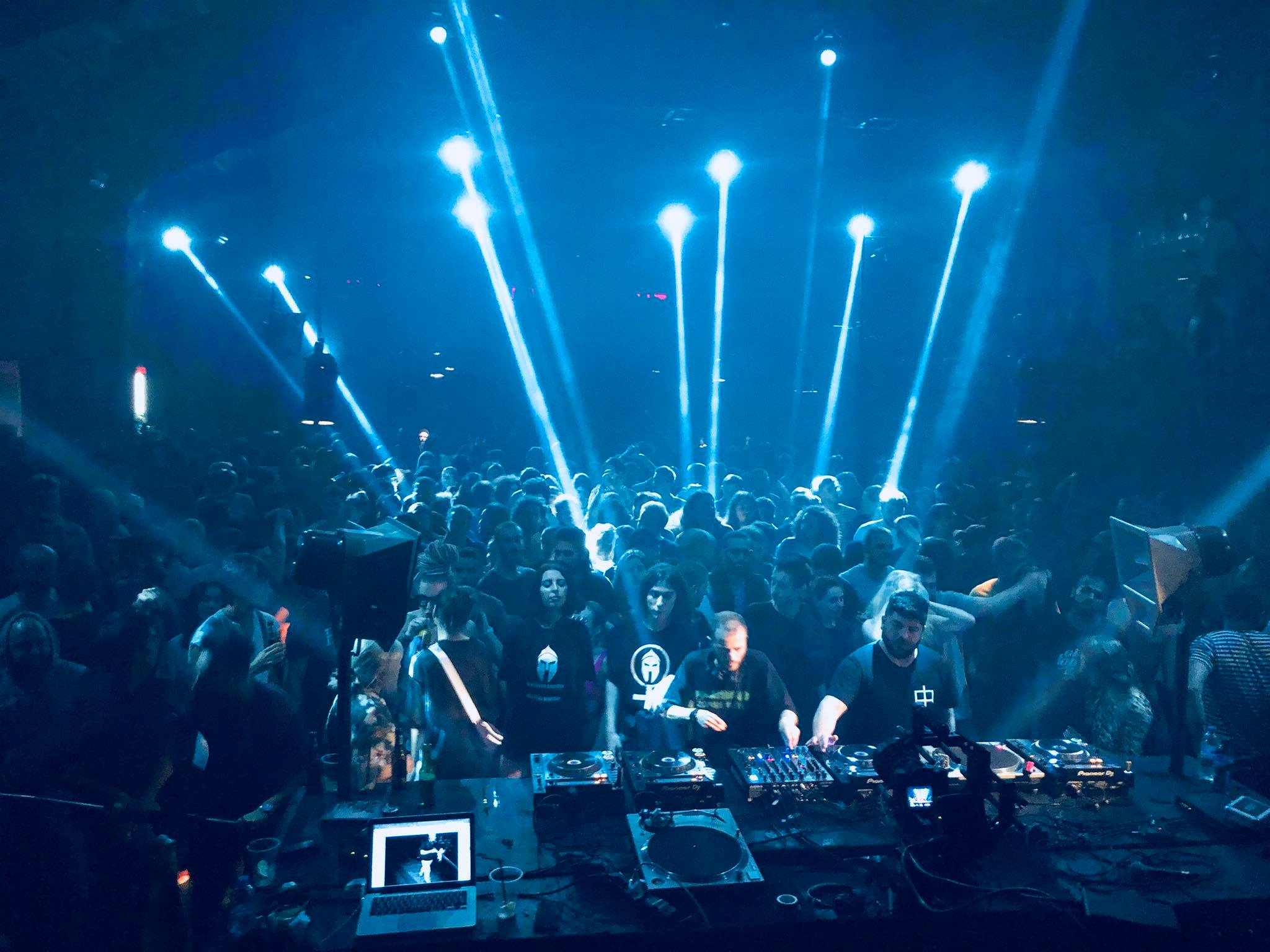
One of the world's great techno clubs, Bassiani is housed in an old swimming pool beneath the Dinamo Stadium. The Funktion-One sound system is legendary, the crowds are dedicated, and the parties last until noon the next day.
Getting in requires registering on their website in advance - this isn't about exclusivity, it's about managing capacity. Fridays are the main nights. Dress down (no fancy clothes), leave your expectations at the door, and surrender to the music.
Cost: 30-60 GEL
Website: bassiani.com
Google Maps: Bassiani
#22. Discover Wine Bars and Cocktail Spots
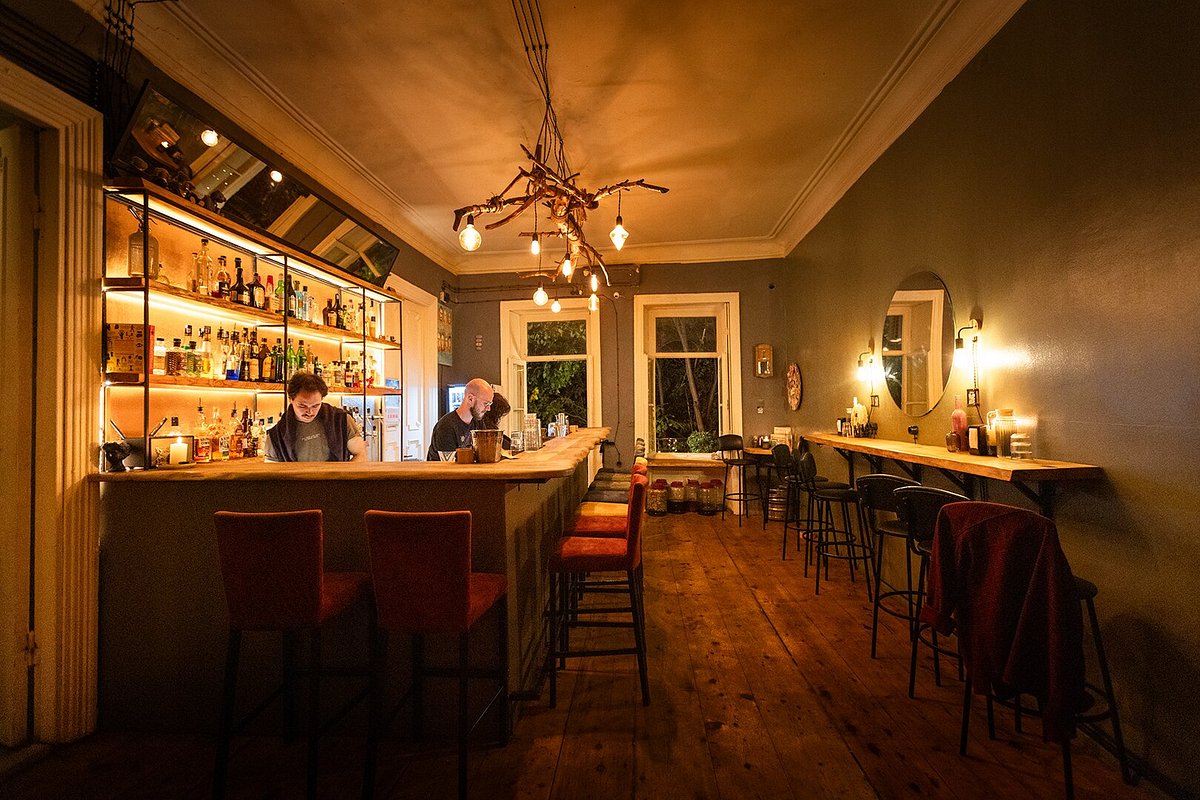
Tbilisi's bar scene ranges from natural wine spots to creative cocktail dens.
Favorites:
Crossroads Bar - The most popular expat bar in Tbilisi
Vino Underground - Over 500 Georgian wines, knowledgeable staff
Bu & Khari - Beautiful heritage interior, pan-Asian snacks with wine
L'ADO by Valiko - Cocktails and "chill rave" vibes on Lado Gudiashvili Square
Drunk Owl Bar - Eclectic cocktails, live music on weekends, great for pre-gaming
#23. Khidi and the Underground Club Scene
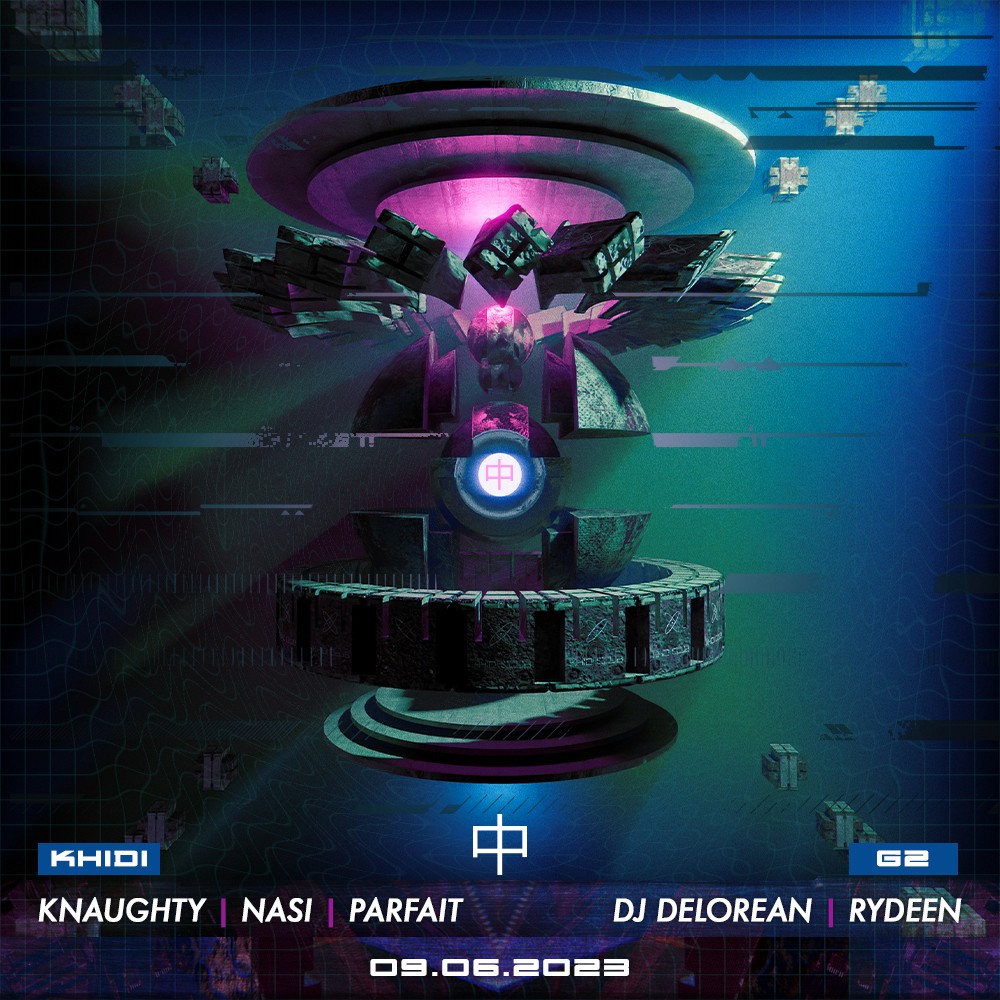
If Bassiani is Berlin's Berghain, Khidi is its darker, grittier little sibling. Located under a bridge near the Kura River, Khidi hosts intense techno and house nights with local and international DJs. The vibe is raw and underground.
Other spots: Mtkvarze (riverside club-restaurant hybrid), Leftbank (community space with weekend club nights), and Safe Club (mainstream but fun).
Day Trips from Tbilisi
#24. Mtskheta - The Religious Heart of Georgia (30 min)
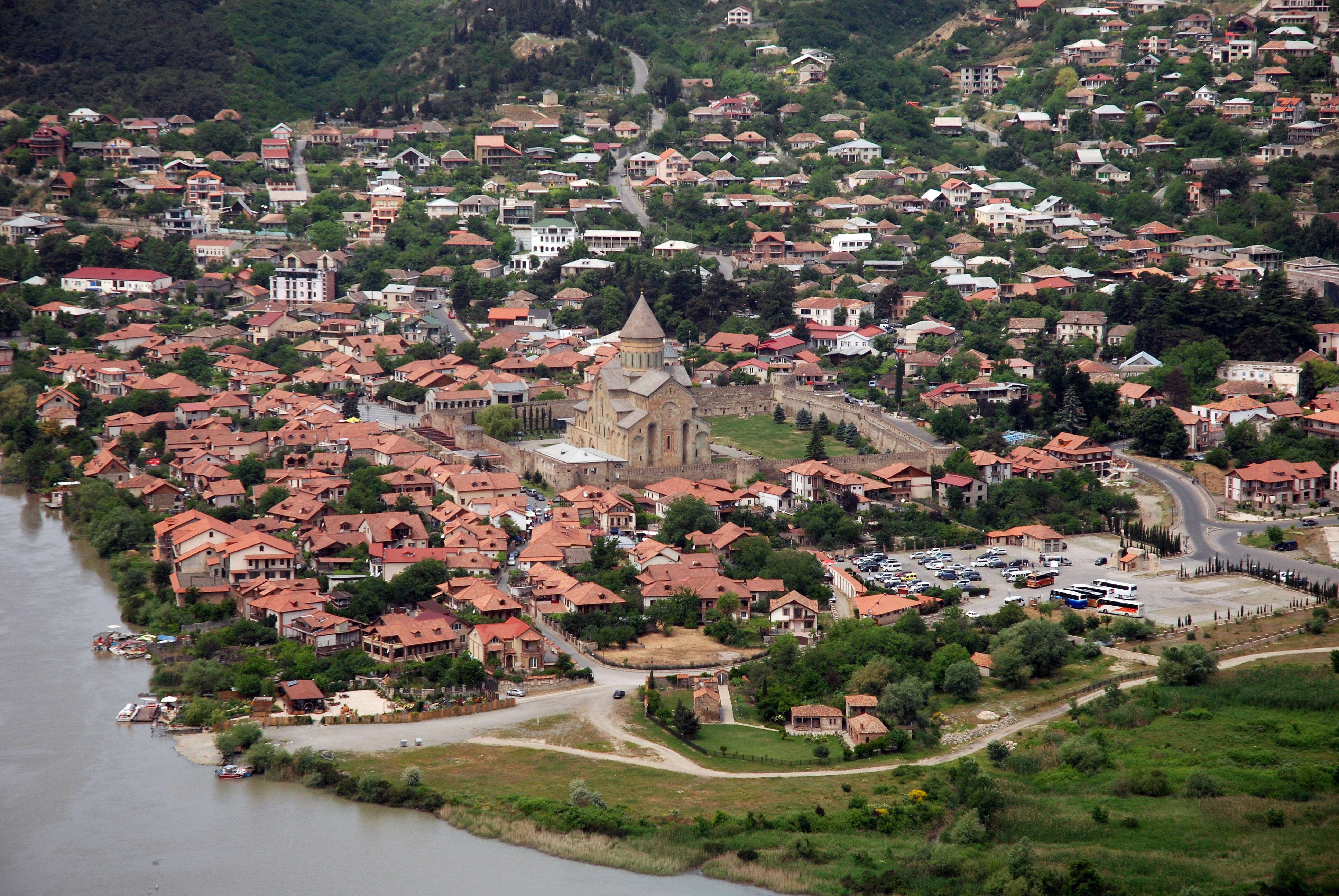
Georgia's ancient capital and spiritual center sits just 20km from Tbilisi. This UNESCO World Heritage site is home to Svetitskhoveli Cathedral (11th century, believed to house Christ's robe) and Jvari Monastery (6th century, perched on a cliff with incredible views).
Take a marshrutka (minibus) from Didube station for 2 GEL, or book a half-day tour.
Getting there: Marshrutka from Didube (30 min, 2 GEL); taxi ~40-50 GEL
#25. Kazbegi and the Georgian Military Highway (3-4 hours)
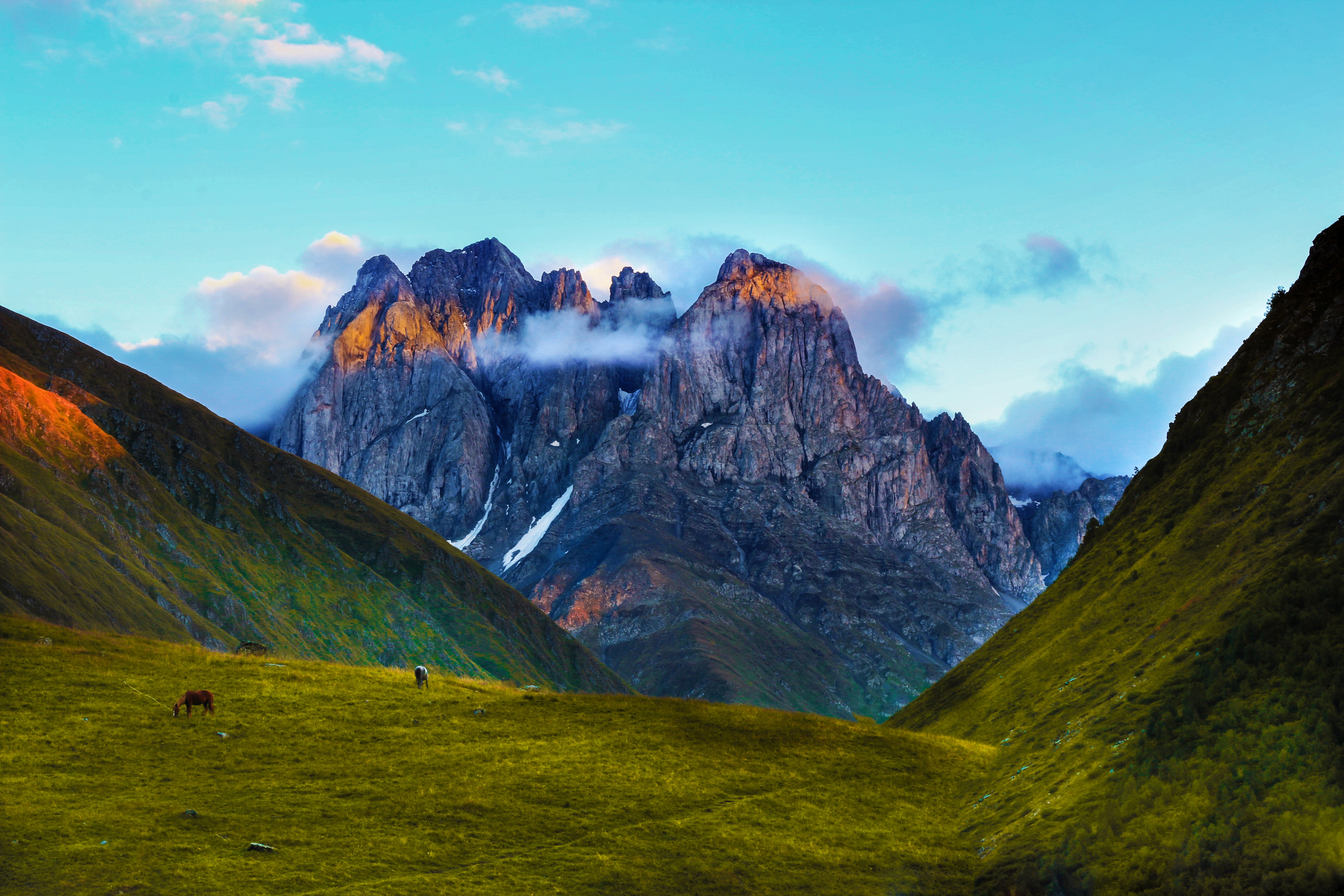
The drive north along the Georgian Military Highway is one of the most scenic in the world - winding through the Greater Caucasus mountains past the Zhinvali Reservoir, Ananuri Fortress, and Gudauri ski resort to reach Kazbegi (Stepantsminda).
The highlight: Gergeti Trinity Church, perched at 2,170 meters beneath the snow-capped Mount Kazbek. Book a group tour (around 80-100 GEL) or hire a private driver. A 4x4 ride up to the church costs 20 GEL per person.
Note: Roads can close in winter. Check conditions before traveling November-April.
FAQ
Is Tbilisi safe for tourists?
Tbilisi consistently ranks among Europe's safest capitals. Violent crime against tourists is rare, and you can walk around most neighborhoods at night without worry. Use common sense - watch your belongings in crowded areas, avoid unlicensed taxis, and stick to well-lit streets late at night. Emergency number: 112.
How many days do I need in Tbilisi?
Three to four days lets you see the main attractions, experience the food scene, and take one day trip. A week allows for deeper exploration, multiple restaurant visits, and perhaps a sulfur bath or two. Many travelers end up extending their stay.
Is Tbilisi expensive?
Tbilisi remains one of Europe's most affordable capitals. Budget travelers can get by on $30-40 USD/day including accommodation, meals, and transport. Mid-range travelers spending $60-80/day will eat and drink very well. A private sulfur bath room costs $40-60 for an hour - a bargain compared to Western spa prices.
Can I drink the tap water in Tbilisi?
The tap water is treated and safe, but the high mineral content due to old pipes doesn't agree with everyone. Start with small amounts or stick to bottled water, especially if you have a sensitive stomach.
What is the best way to get around Tbilisi?
The metro is cheap (1 GEL) and efficient for crossing the city. Tap your bank card on the reader - no need to buy a special card. For taxis, use the Bolt app to avoid overcharging. The Old Town and Sololaki are best explored on foot. Cable cars connect Rike Park to Narikala Fortress.
Do I need to speak Georgian or Russian?
English is widely spoken in tourist areas, hotels, and restaurants, especially by younger Georgians. In more local spots, basic Georgian phrases are appreciated. Many older Georgians speak Russian as well. Google Translate helps in a pinch.
What should I wear to churches in Georgia?
Dress modestly. Women should cover their heads (scarves usually available at entrances), and both men and women should cover shoulders and knees. Some churches provide wraps at the door.
Is Tbilisi good for solo female travelers?
Yes. Many solo female travelers report feeling safe and welcomed. Georgian culture emphasizes hospitality, though you may encounter the occasional overly friendly man. A firm "no" usually works. Stick to busy areas at night, and use Bolt for transport.
When is the best time to visit Tbilisi?
Spring (April-June) and fall (September-October) offer the best weather - warm but not oppressive. Summer gets hot (35°C+) and crowded with tourists. Winter is cold but atmospheric, especially around New Year when Georgians celebrate with gusto.
Can I use credit cards in Tbilisi?
Yes, cards are accepted at most restaurants, hotels, and shops. Carry cash (Lari) for public transport, small vendors, the flea market, and bathhouse tips. ATMs are widely available - Bank of Georgia and TBC are reliable options.
Conclusion
Tbilisi doesn't try to be anything other than itself - chaotic, warm, occasionally crumbling, and always surprising. It's a city where you can soak in ancient hot springs in the morning, eat your body weight in dumplings for lunch, explore Soviet-era flea markets in the afternoon, and dance to techno until sunrise. The Georgian capital rewards those who wander without a strict plan and say yes to whatever the tamada pours next. Don't rush through - Tbilisi is best savored slowly.