Nightlife
Tbilisi Nightlife Guide: The Ultimate Party Scene Breakdown
Discover Tbilisi's nightlife with our local guide to the best bars, wine spots, clubs, and late-night eats. From expat hangouts to world-famous techno clubs.

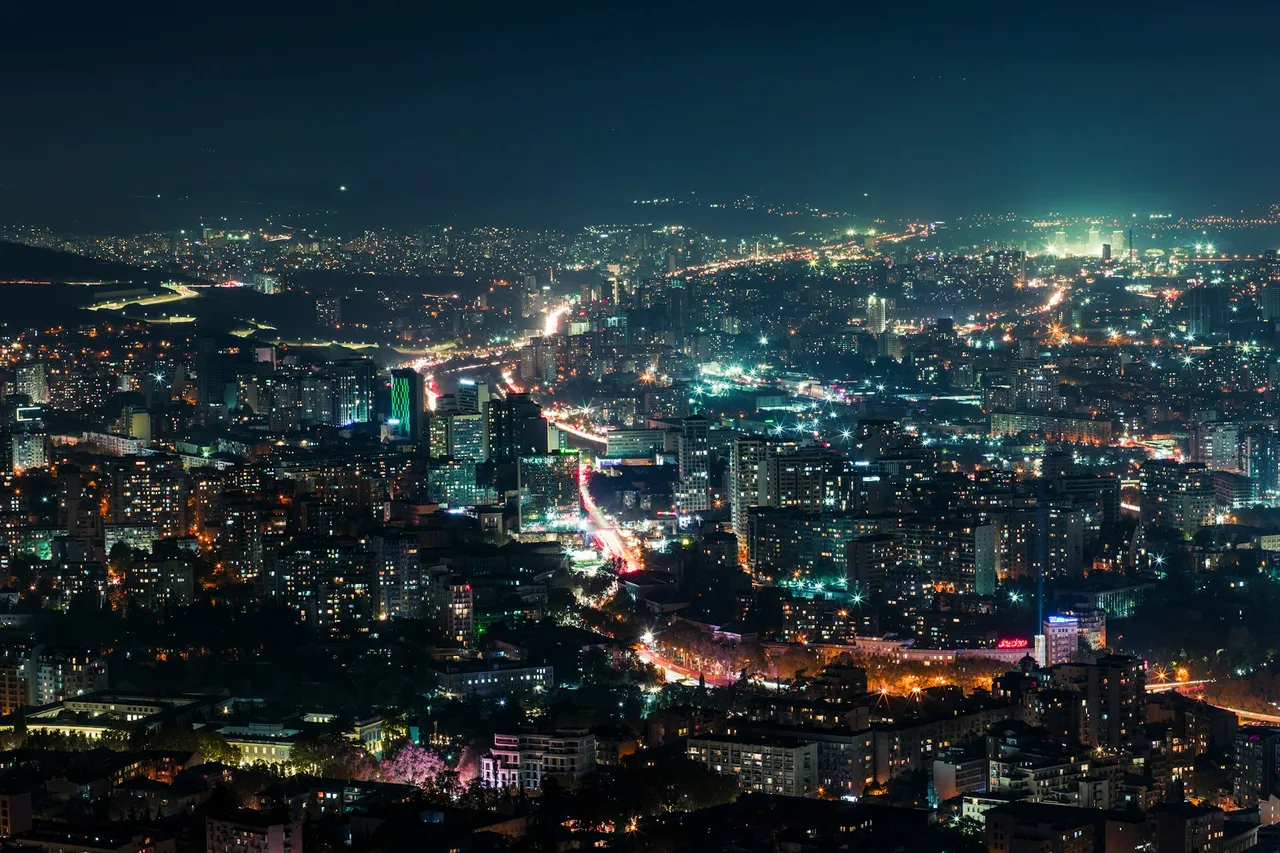
Tbilisi transforms after dark.
Ancient churches glow amber against the hillside while bass rumbles from underground clubs that have earned international recognition.
Whether you want to sip qvevri wine with a sommelier, dance until sunrise at a techno temple, or eat one too many Khinkali, Georgia's capital delivers nightlife experiences you won't find anywhere else.
This guide covers the best ways to spend your evenings in one of Europe's most underrated party cities.
Quick Summary:
Downtown pub crawls featuring creative cocktails and speakeasy-style bars
Weekly expat meetups at Crossroads Bar
Fabrika's converted Soviet factory courtyard draws locals and travelers alike
World-class techno at Bassiani and Khidi rivals Berlin's best clubs
Late-night Georgian feasts available until dawn - or delivered via Wolt
Top 9 Tbilisi Nightlife Activities
1. Pub Crawl Around Downtown Tbilisi

A self-guided pub crawl through downtown Tbilisi takes you from expat-friendly cocktail bars to hidden speakeasies - all within walking distance. Start around 9 PM when things pick up, and let the night unfold.
Crossroads Bar on Dadiani street is where many nights begin.
This expat-favorite hub draws a friendly international crowd and serves creative cocktails - their White Russian has earned a loyal following. The events calendar keeps things interesting: quiz nights on Wednesdays, open mic jams on Thursdays, and karaoke on Sundays.
41 Degrees Art of Drinks offers a different vibe entirely. Inside, charming bartenders work from handwritten notebook menus, crafting cocktails that incorporate Georgian ingredients like chacha (grape brandy), tkemali cordial (sour plum), and matsoni (fermented yogurt).
The Santo Bello blends cognac with sweet Kakhetian wine, while the Golden Fleece surprises with its gin and matsoni base. This is widely considered the best mixology bar in the city.
Chacha Time provides an excellent introduction to Georgia's national spirit. Located centrally near the Old Town, the bartenders here love explaining the differences between various chacha styles and will guide you through creative cocktails featuring this potent grape brandy.
Most cocktails run 15-25 GEL (roughly $6-10), making a proper pub crawl surprisingly affordable. Download Bolt before you head out - it's the go-to ride app for getting between neighborhoods or heading home at the end of the night.
2. Join Our Official Expat Meetup
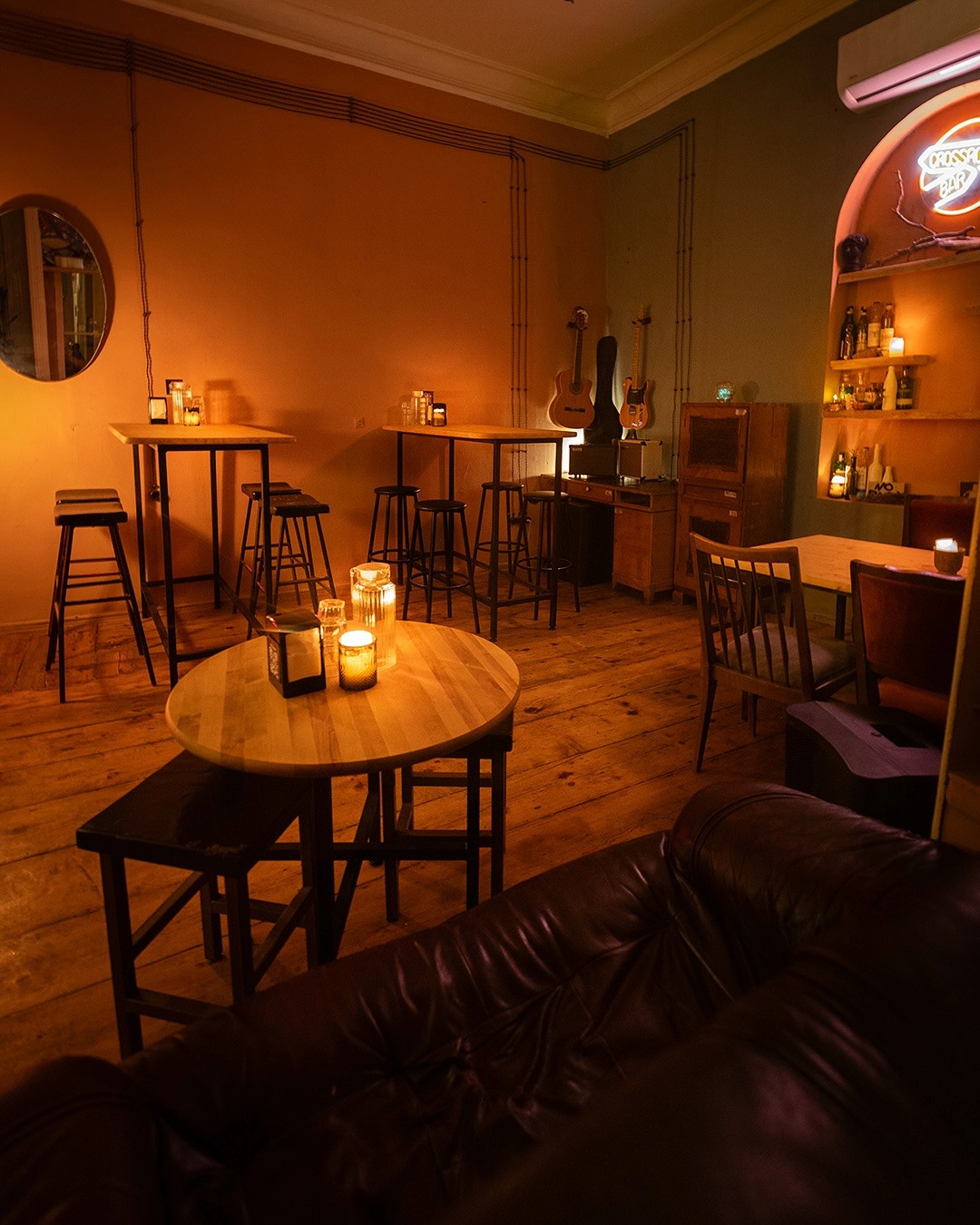
Every week, the Foreigners and Friends in Tbilisi community gathers at Crossroads Bar. This weekly meetup brings together expats, digital nomads, locals looking to practice English, and travelers passing through.
The format is simple: show up, grab a drink, and start talking to people. Free entry means you just pay for what you drink. The crowd rotates weekly, so you'll meet different people each time - entrepreneurs building startups, remote workers on extended stays, English teachers, and Georgians curious about the international community settling into their city.
For solo travelers, this is the easiest way to make friends in Tbilisi. The regulars are welcoming to newcomers, and the casual atmosphere makes starting conversations natural. You'll pick up restaurant recommendations, day trip ideas, and insider tips that don't make it into guidebooks.
The bar fills up as the night goes on, so arriving around 9 PM gets you a good spot and first pick of who to chat with. Many people continue to other bars or clubs afterward, making this an ideal launching point for a night out. Learn more and RSVP for the next expat meetup here.
3. Hang Out at Fabrika
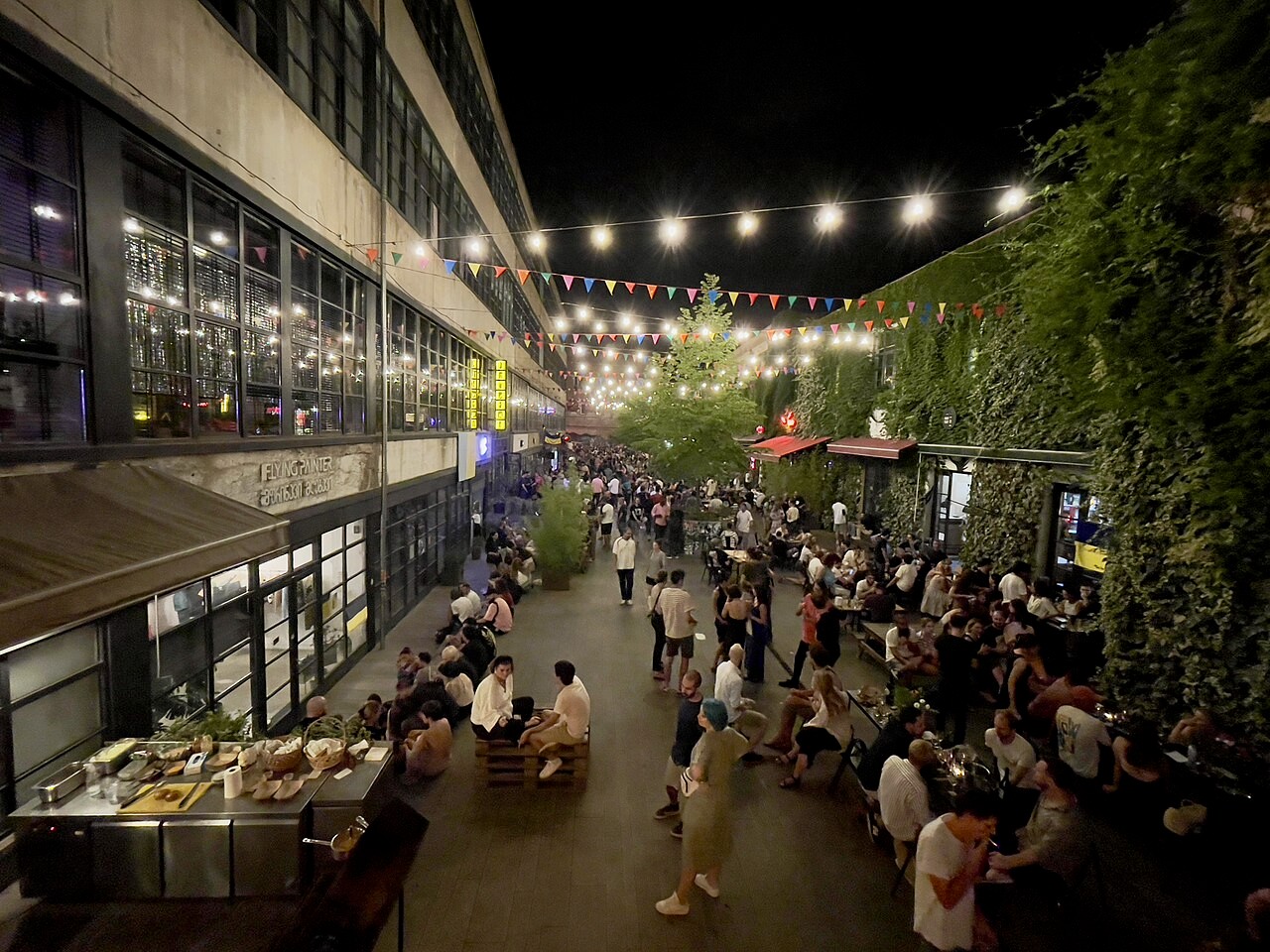
Fabrika started as a Soviet sewing factory. Now it's the beating heart of Tbilisi's creative scene - a sprawling complex of bars, restaurants, artist studios, and one of the region's largest hostels, all surrounding a massive courtyard covered in street art murals.
Located in the Marjanishvili district (one metro stop from the center), Fabrika draws a mixed crowd of locals and international visitors. The courtyard comes alive after 8 PM, especially on weekends. Grab a spot at one of the outdoor tables and watch the scene unfold around you.
Moulin Electrique is a veteran of Tbilisi's bar scene, perfect for cocktails before exploring the rest of the complex. Pipes serves what many consider the best burgers in the city - proper gourmet patties made with local ingredients. Tone focuses on Georgian food with bread fresh from the traditional clay oven.
The complex also houses a natural wine bar, coffee shops, a barbershop, ceramics studios, and rotating art installations. A converted VW van serves as a photo booth. An old Lada sits waiting for Instagram photos.
Beyond the evening scene, Fabrika organizes events for hostel guests: supra dinner parties introduce travelers to traditional Georgian feasting, and pub crawls depart from here several nights a week. Even if you're staying elsewhere, dropping by Fabrika for an evening gives you a window into the creative energy driving modern Tbilisi.
4. Wine Tasting at 8000 Vintages
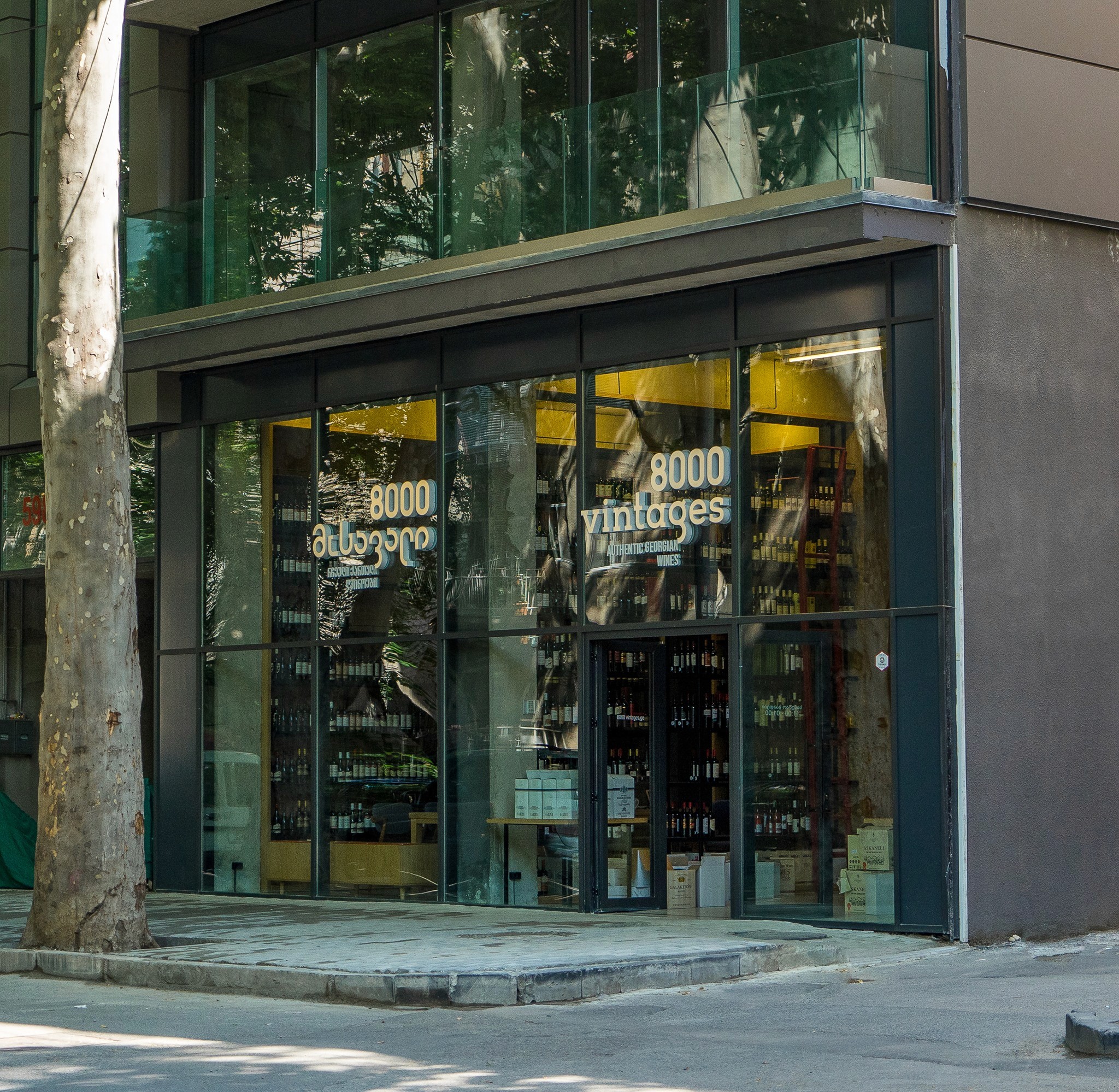
The name references Georgia's 8,000-year winemaking history - and walking into 8000 Vintages feels like stepping into that tradition's modern evolution. This wine shop and bar holds one of the largest selections of Georgian wine anywhere, with bottles chosen through blind tastings by professional sommeliers and oenologists.
Unlike tourist-oriented wine shops in the Old Town, 8000 Vintages caters primarily to locals and serious wine enthusiasts. The self-serve tasting experience lets you pour 2-6 oz samples from dozens of bottles, exploring at your own pace. Staff members genuinely know their stuff and will guide you through Georgia's unique wine landscape.
You'll encounter qvevri wines - fermented underground in massive clay vessels using techniques unchanged for millennia. The amber wines, made from white grapes fermented with their skins, taste unlike anything produced elsewhere. Sample Saperavi, Georgia's signature red, alongside crisp Rkatsiteli whites and wines from small family cellars you won't find in restaurants.
Wine pairs with boards of local cheese, cured ham, fish, and churchkhela (the candle-shaped walnut and grape candy). Book ahead for weekend evenings when the bar fills with regulars debating the merits of different wine regions.
8000 Vintages has multiple locations around Tbilisi, including spots on Tabukashvili Street near the Old Town and in the Saburtalo and Vake neighborhoods. Any location delivers the same curated selection and knowledgeable service.
5. Techno Clubbing at Bassiani, Khidi, and Beyond
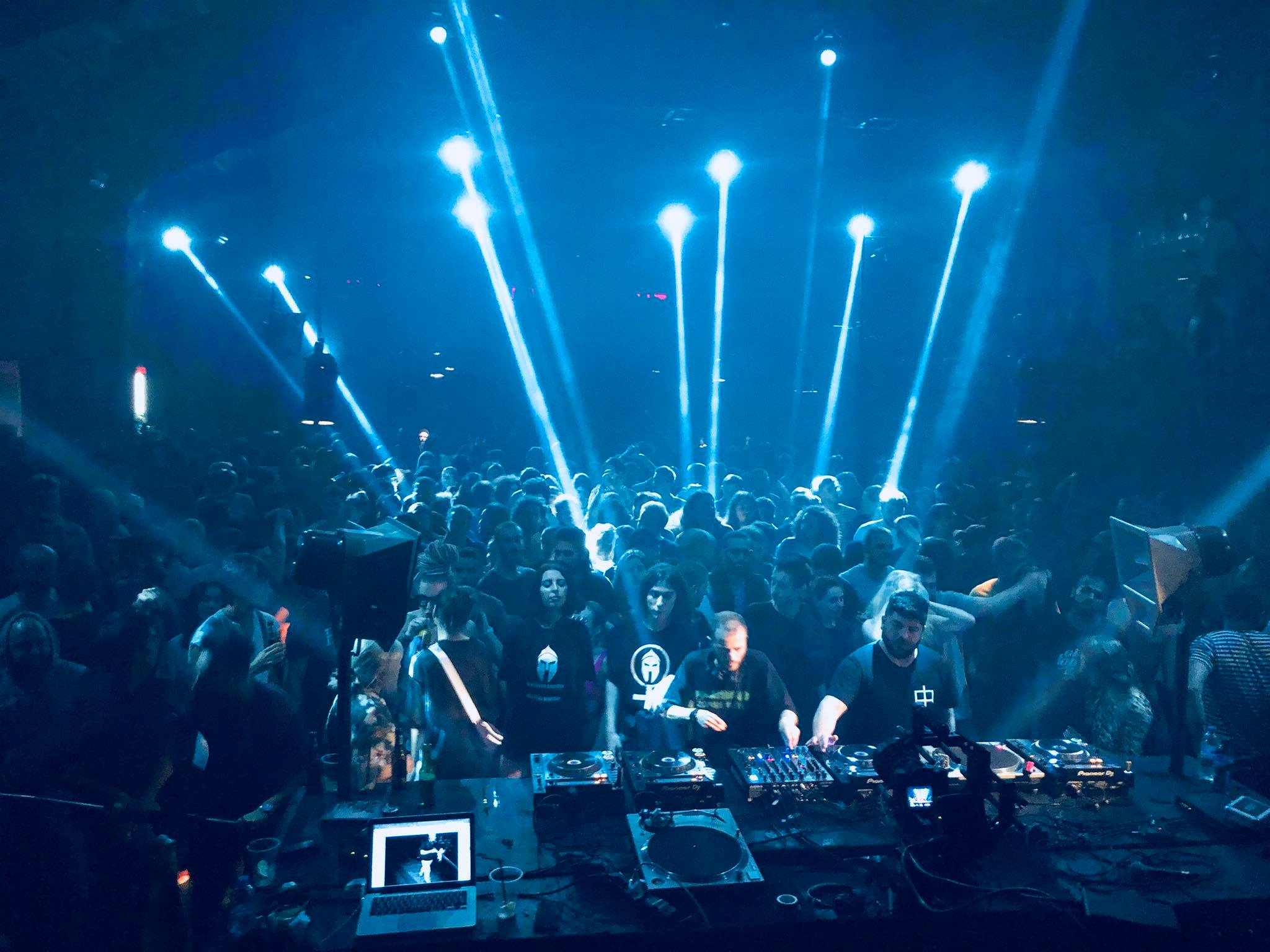
Tbilisi's techno scene has earned international recognition, drawing club tourists who fly in specifically to experience venues that rival anything in Berlin.
Bassiani operates beneath Dinamo Arena, the national football stadium. The main dance floor occupies a former Soviet swimming pool - a massive concrete space with industrial aesthetics and a sound system that swallows you whole. Founded in 2014, the club quickly became more than a party venue. It's been a symbol of resistance and progressive values in a country still grappling with social change.
Bassiani runs two floors: the main room (called Bassiani) hosts high-energy techno sets, while Horoom provides a smaller space that hosts LGBTQ+ parties and serves as a bar area on regular nights. The club has a strict door policy - bring your passport or ID, maintain a social media presence they can check, and arrive sober enough to have a conversation with the bouncers. This selectivity maintains the safe space the club has cultivated. Entry runs 40-60 GEL depending on the event. Check Resident Advisor for lineups and ticket information.
Khidi (meaning "bridge") offers a grittier alternative. Located near the Kura River under an old bridge structure, this underground venue specializes in darker, high-intensity techno and house. The lighting design and sound quality match Bassiani's standards, but the door policy feels slightly less intimidating for newcomers.
Left Bank combines a club with community space - there's a record shop, ping-pong table, and outdoor dance floor by the river. The vibe is more accessible while still delivering quality electronic music programming.
Parties typically start after midnight and run until morning or beyond. Dress code leans toward black, casual European club wear - hoodies, mesh shirts, oversized jackets. Cards work everywhere, so you don't need cash. Arrive earlier in the night for better entry chances, especially at Bassiani.
6. Evening Stroll Through Bridge of Peace
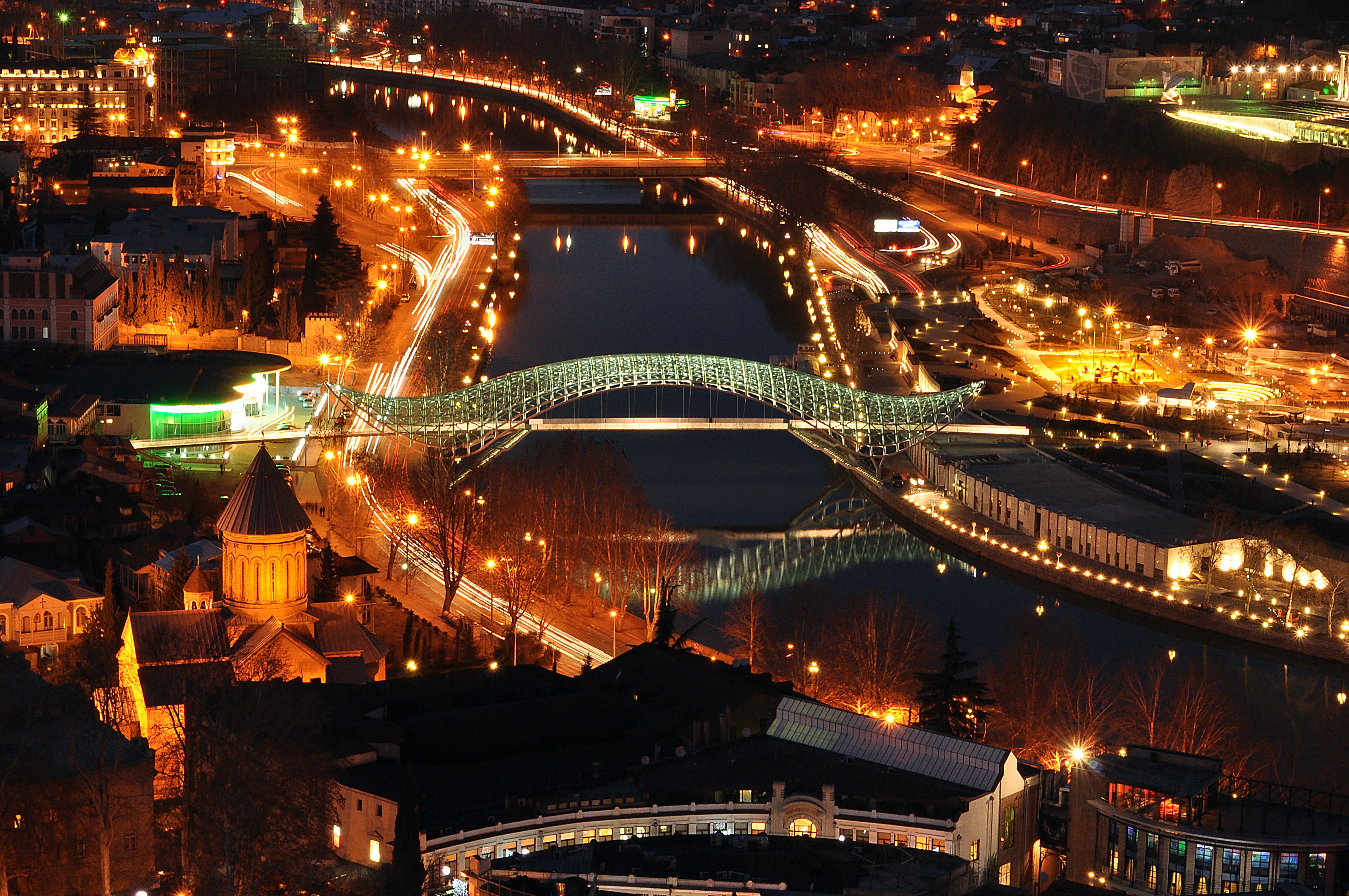
The Bridge of Peace stretches 150 meters across the Kura River, connecting the Old Town with Rike Park. Italian architect Michele De Lucchi designed this bow-shaped steel and glass structure, which opened in 2010 and immediately became one of Tbilisi's most recognizable landmarks.
By day, it's a convenient pedestrian crossing. At night, it transforms into something magical.
Over 10,000 LED lights illuminate the bridge starting 90 minutes before sunset and continuing until 90 minutes after sunrise. Four different lighting programs rotate hourly - sometimes waves of light roll from one bank to the other, sometimes bands start at each end and meet in the middle. Motion sensors in the glass handrails trigger lights as you walk, creating the impression that the bridge responds to your presence.
Hidden in the light patterns: a Morse code message spelling out the periodic table of elements, broadcasting what the designer called an "anthem of life and peace."
From the bridge, you'll see Metekhi Church perched on the cliff across the river, the statue of King Vakhtang Gorgasali (Tbilisi's founder) on horseback, and Narikala Fortress glowing on the hillside above the Old Town. The reflections shimmer on the water below.
Combine your bridge walk with a visit to Rike Park, where you can catch the aerial tramway up to Narikala. Or continue into the Old Town for drinks at one of the wine bars. The Bridge of Peace sits at the center of everything, making it an easy addition to any evening itinerary.
7. Funicular Ride to Mtatsminda
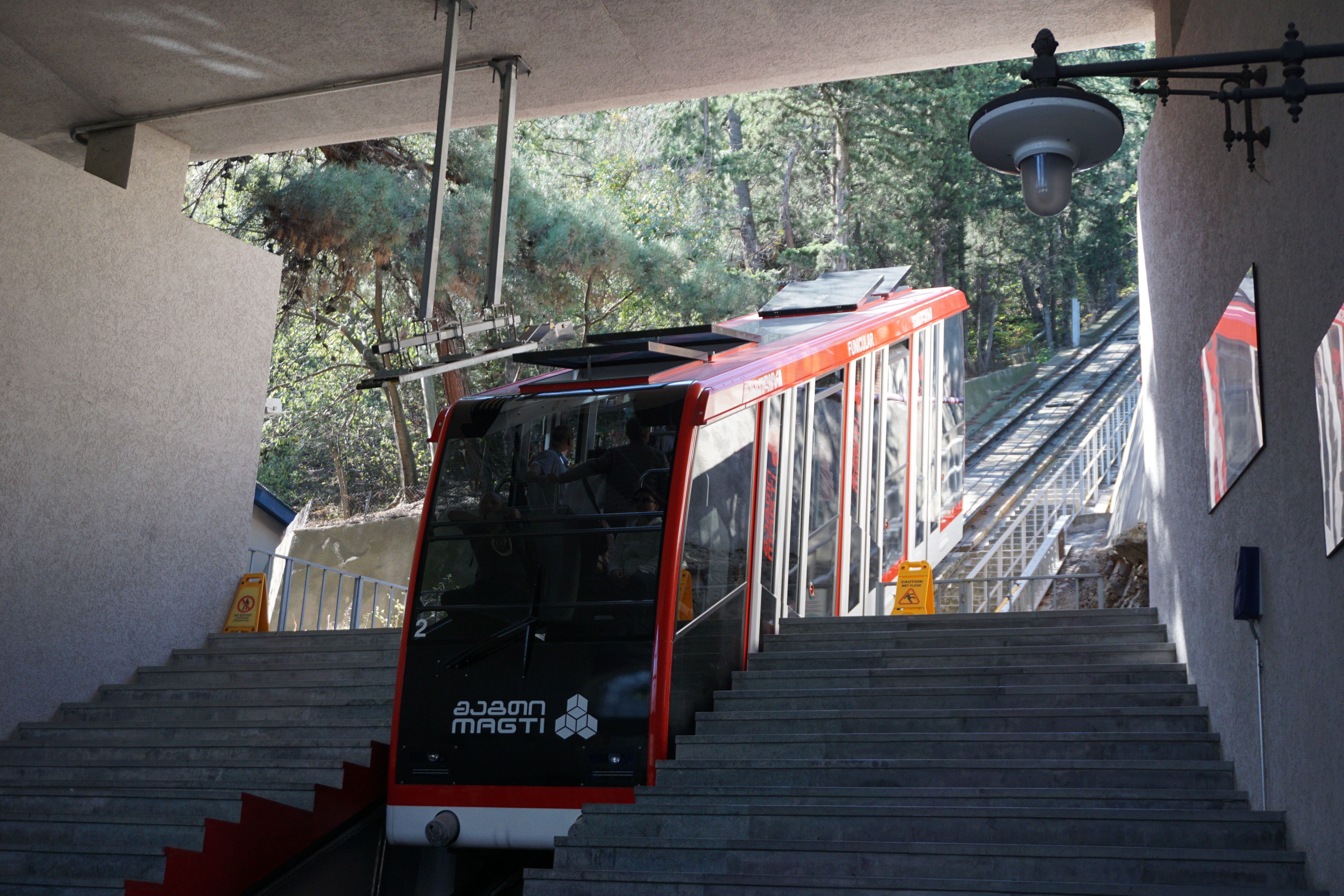
The Tbilisi Funicular has been carrying passengers up Mtatsminda Mountain since 1905, making it one of the oldest cable railways still in operation. The modernized cars now glide 500 meters up the steep slope in about five minutes, offering views that expand with every meter of elevation gained.
At the top, you're standing 770 meters above the city - the highest point in Tbilisi. The panorama spreads out below: the winding Kura River, church domes catching the light, the Old Town's maze of streets, and modern buildings pushing up along the main avenues.
Come for sunset and stay as the city lights blink on. The Ferris wheel at the edge of Mtatsminda Park spins slowly against the darkening sky, offering an even more dramatic perspective. Restaurant Funicular has a viewing deck stretching like a balcony over the city - grab a table, order traditional Georgian food, and watch the transition from golden hour to glittering nightscape.
The funicular runs until midnight (later on some nights), costing 10 GEL one-way. You'll need a dedicated funicular card with a 2 GEL deposit - buy and load it at the lower station. The same card works for rides and dining at the top.
If the weather cooperates and you have energy, consider walking down afterward. The path takes you past Mtatsminda Pantheon, where Georgia's most celebrated writers, artists, and public figures are buried. The descent offers a completely different perspective on the city below.
8. Catch Live Music Across Tbilisi
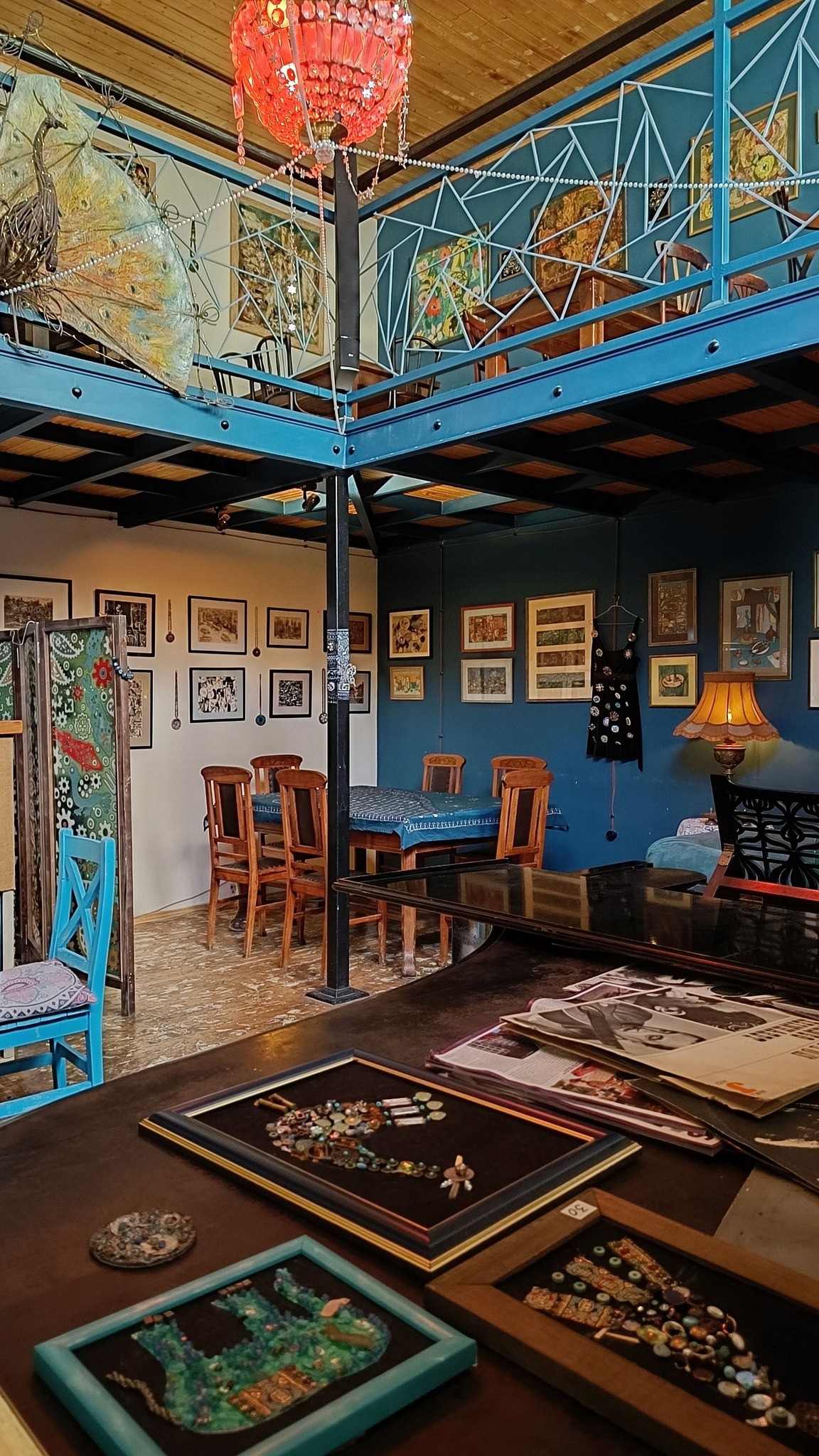
Tbilisi's live music scene extends far beyond the techno clubs that dominate international coverage. From open mic nights to polyphonic singing that predates Christianity, there's something playing most nights of the week.
Crossroads Bar hosts multiple music events. Sunday karaoke (9 PM) gets packed with both terrible and surprisingly talented singers. Thursday's open mic jam session (8 PM) invites musicians to bring instruments and join in - or just watch the impromptu collaborations that emerge when strangers find common musical ground.
Junkyard is where Tbilisi's rock, metal, and punk community gathers. This DIY venue and art space operates out of a warehouse outside the city center, hosting regular concerts from local bands and international touring acts. Recent shows have included Inquisition, Blood Red Shoes, and Nargaroth. The industrial setting matches the music - cheap drinks, cozy punk atmosphere, and owners who genuinely care about the scene. Check their Instagram (@junkyard.tbilisi) for upcoming shows.
For jazz and traditional Georgian music, you have several options:
Sheen-Aura in the Saburtalo neighborhood is worth the trek if you want authentic atmosphere. This family-owned bar-restaurant hosts Friday folk nights featuring polyphonic singing - the UNESCO-recognized Georgian tradition of complex multi-voice harmonies. The suburban location means the crowd is almost entirely locals.
Amber Bar on Agmashenebeli Avenue combines natural wine with live Georgian musicians on Friday and Saturday evenings. The setting is relaxed, the wine selection excellent.
Zazanova Salon Restaurant offers live jazz performances on Friday nights in a charming setting off Agmashenebeli Avenue. The Georgian-European menu and homely atmosphere make it feel like eating at a friend's place.
The Tsiskvili restaurant group operates several venues featuring the ethno-jazz band "Egari," polyphonic quartet "Hangebi," and traditional Georgian dance programs. These are more formal dinner-and-show experiences, but the quality of both food and performance is high.
For an unexpected experience, attend Sunday morning divine liturgy at any Orthodox church. Georgian polyphonic chanting - three or more men singing without instruments - fills the sacred spaces with sound that has remained essentially unchanged for centuries. Visitors are welcome to come and go quietly.
9. Late-Night Georgian Feast
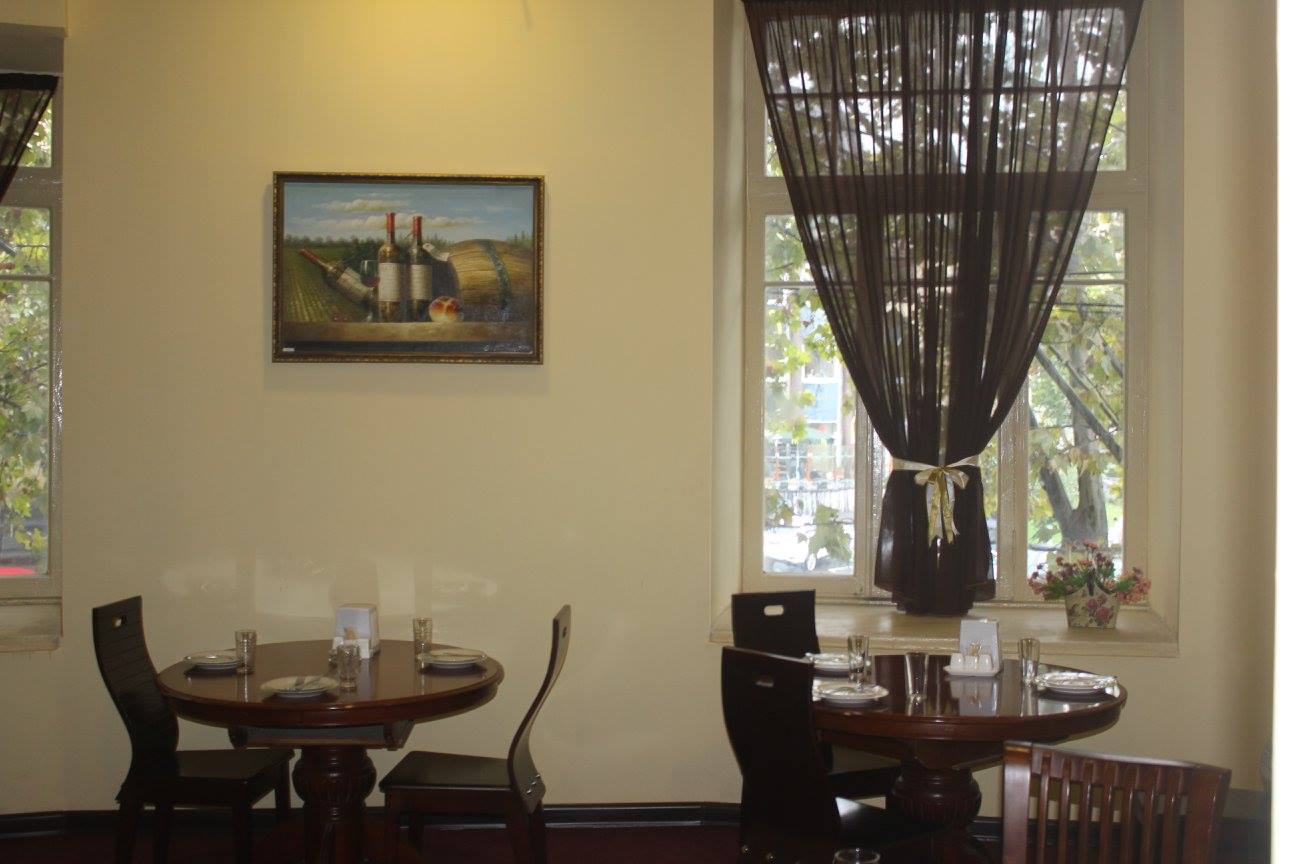
Tbilisi eats late. Restaurants fill up at 10 or 11 PM, and plenty of kitchens keep cooking until dawn. After a night of drinking, dancing, or wandering, ending with a Georgian feast feels like a proper conclusion.
Khinkali House operates 24/7 and serves exactly what the name promises - plate after plate of Georgia's beloved soup dumplings. The kalakuri style (beef and pork with herbs) arrives steaming, demanding the traditional eating technique: grip the top knot, bite a small hole, slurp the broth, then devour the rest. Live music runs until 2 AM, adding atmosphere to your 3 AM khinkali session.
Ghebi is a 24-hour family-style restaurant on Vazha-Pshavela Avenue. It can get rowdy when a large group settles in, but the food is authentic and the prices stay low. The menu covers all the Georgian classics - perfect for working through dishes you haven't tried yet.
Maspindzelo Express near Rustaveli Avenue stays open 24 hours on Friday and Saturday nights. Their khinkali arrives in clever clay bowls with holes that let steam escape while keeping the dumplings warm - stack multiple orders and work through them at your own pace.
What to order at any of these: khinkali in various styles (meat, potato-cheese, mushroom), khachapuri (cheese-filled bread - try Imeruli or the boat-shaped Adjarian version with an egg), shkmeruli (chicken drowning in garlic sauce), and lobiani (bean-filled bread).
If moving from your accommodation sounds like too much effort, most Georgian restaurants deliver through Wolt until late. Order a spread of dishes, collapse on your couch, and let someone else handle the logistics. The khinkali arrives faster than you'd expect.
Frequently Asked Questions
Is Tbilisi safe at night?
Tbilisi is generally safe for nighttime activities, including for solo travelers. Busy areas like Rustaveli Avenue, the Old Town, and Fabrika stay populated late into the night. Use common sense - stick to well-lit streets, avoid isolated areas you don't know, and use Bolt rather than walking alone through unfamiliar neighborhoods in the early morning hours.
What time does nightlife start in Tbilisi?
Tbilisi nightlife starts later than most Western cities. Bars begin filling up around 9-10 PM. Restaurants stay busy until midnight or later. Techno clubs like Bassiani don't properly get going until after midnight, with parties running into the morning hours or even the next afternoon on weekends.
Do I need cash for Tbilisi nightlife?
Most bars, restaurants, and clubs accept cards, which makes things convenient. However, carrying some Georgian Lari (GEL) helps for smaller purchases, tips, street food vendors, and the funicular card. ATMs are widely available throughout the city center and dispense local currency.
Can I get into Bassiani as a tourist?
Yes, but prepare for face control at the door. Bring valid ID or your passport, have an active social media profile they can verify, and arrive in reasonable condition - not visibly intoxicated or rowdy. The door policy maintains a safe space inside. Russian citizens are reportedly denied entry. Arriving earlier in the night improves your chances.
Where do expats hang out in Tbilisi?
Crossroads Bar serves as the main expat hub, hosting weekly meetups at 9 PM. Fabrika attracts a mixed international and local crowd in its courtyard bars. Wine bars like 8000 Vintages draw enthusiasts from around the world. Co-working spaces create daytime connections that often extend into evening social plans.
Is Tbilisi good for solo travelers at night?
Tbilisi works extremely well for solo travelers. The weekly expat meetup at Crossroads exists specifically for meeting people. Fabrika's courtyard layout naturally encourages socializing at shared tables. Hostels organize pub crawls and events. Georgian hospitality means strangers often invite you to join their table, especially once wine starts flowing.
What should I wear to Tbilisi clubs?
For techno venues like Bassiani, black clothing works well - casual European clubwear like hoodies, mesh tops, or oversized jackets over simple basics. There's no strict dress code, but looking too obviously touristy might affect your chances at the door. For regular bars and wine spots, wear whatever makes you comfortable.
Are there LGBTQ+ friendly nightlife spots in Tbilisi?
Bassiani's Horoom space hosts LGBTQ+ parties and has symbolized the community's visibility since the club opened. The venue has actively advocated for human rights and inclusivity in Georgia. However, the country remains socially conservative overall, and public displays of affection between same-sex couples may attract unwanted attention outside these specifically safe spaces.
What's the best late-night food in Tbilisi?
Khinkali House operates 24/7 with excellent dumplings and live music until 2 AM. Ghebi offers another 24-hour option popular with locals. Maspindzelo Express stays open all night on weekends. For delivery, Wolt partners with many Georgian restaurants and operates late. Must-try dishes include khinkali, khachapuri, and shkmeruli.
How do I get around Tbilisi at night?
The metro closes around 11 PM. After that, use Bolt - it's the preferred ride-hailing app and works reliably throughout the city. Rides within the center typically cost 5-15 GEL. Many nightlife zones (Old Town, Fabrika, Rustaveli area) are walkable once you're there. The funicular to Mtatsminda runs until midnight.
Final Thoughts
Tbilisi delivers nightlife experiences that don't exist elsewhere - ancient winemaking traditions meet world-class techno, Soviet-era factories host thriving creative communities, and strangers become friends over khinkali at 3 AM. Whether you're dancing until sunrise at Bassiani, sampling qvevri wines guided by a sommelier, or watching the Bridge of Peace shimmer over the river, Georgia's capital rewards those who stay out late. Start with the expat meetup and let the night unfold from there.