Safety & Budget
Is Georgia Safe to Visit? Honest Safety Tips for Travelers
Is Georgia safe to visit in 2026? Yes - with crime rates among the lowest in Europe. Get honest safety tips for Tbilisi, Batumi, and the mountains.
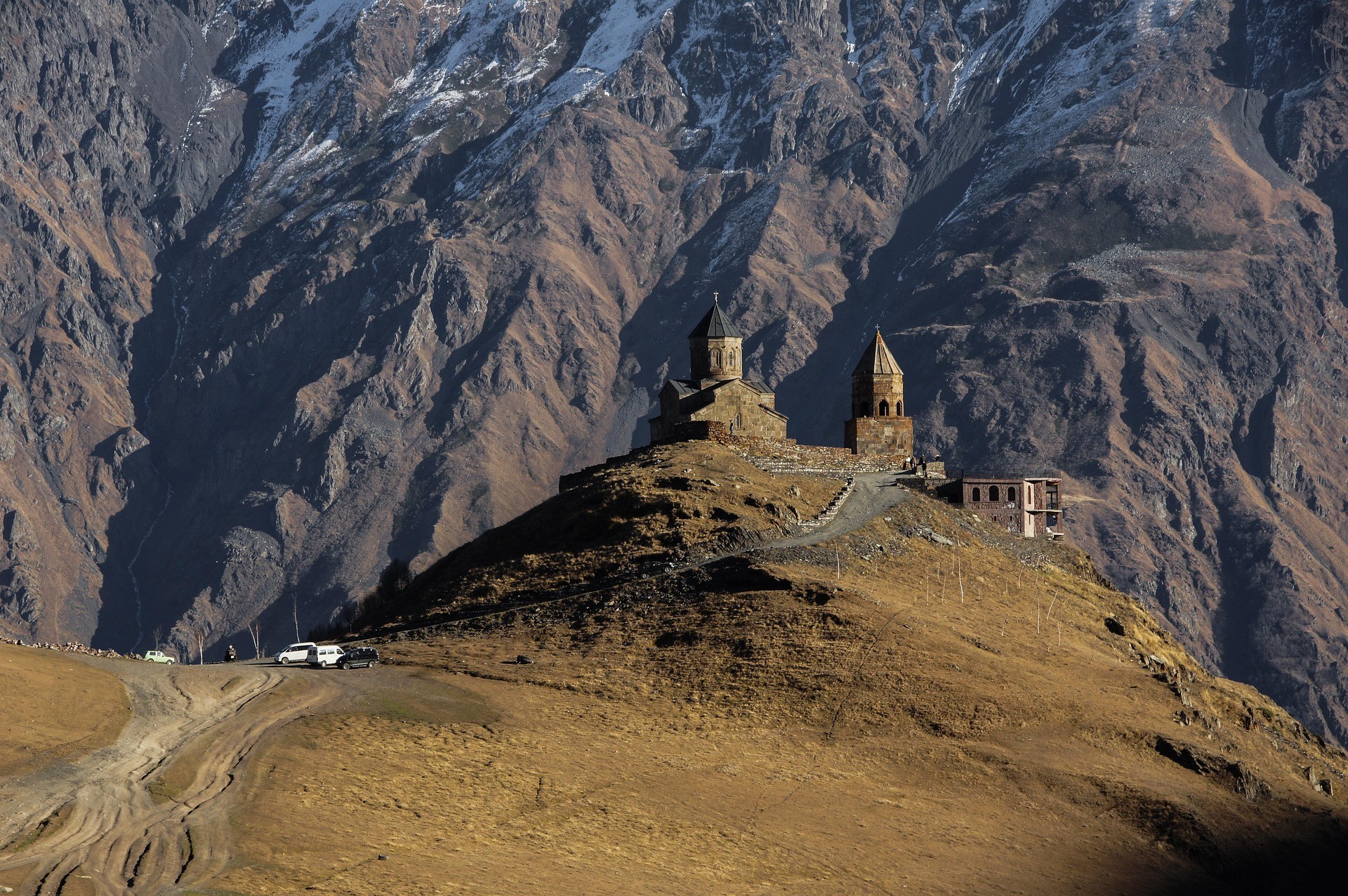
Georgia sits at the crossroads of Europe and Asia, drawing travelers with dramatic Caucasus peaks, 8,000-year-old winemaking traditions, and hospitality that borders on legendary. But between ongoing political protests and its proximity to conflict zones, safety questions keep coming up. Here's the reality: Georgia consistently ranks among the safest countries in Europe for tourists. Crime rates are low, locals are welcoming, and the government has invested heavily in tourism infrastructure. With a few sensible precautions, you'll find this tiny nation rewards visitors who make the trip.
Quick Summary:
Georgia has one of the lowest crime rates in Europe, with violent crime against tourists rare
The U.S. State Department rates Georgia as Level 1 - the safest travel advisory category
Political protests continue in Tbilisi but don't affect other regions like Batumi, Kutaisi, or the mountains
Road safety is the biggest genuine concern - driving is aggressive and fatalities increased in 2025
South Ossetia and Abkhazia are no-go zones for all travelers
Is Georgia Safe in 2026?
Yes, Georgia is safe for travelers. The country has transformed dramatically since the Rose Revolution in 2003, with anti-corruption reforms creating one of the safest environments in the region. Data from the National Statistics Office of Georgia (Geostat) shows a multi-year downward trend in total recorded crimes, and this pattern continued through 2025.
The U.S. Department of State classifies Georgia as Level 1: "Exercise Normal Precautions" - their safest category. The UK, Canada, Australia, and New Zealand all issue similar advisories, with none recommending against travel to Georgia as a whole.
Tourism numbers back this up. Georgia recorded approximately 4.3 million international visitors between January and September 2025, an 8% increase from the previous year. Tourism revenue was projected to reach around $4.5 billion. Hotels expanded, restaurants stayed busy, and visitors kept arriving despite the headlines.
Georgian hospitality is genuinely remarkable. Travelers consistently describe being offered help, directions, meals, and even rides by complete strangers. This warmth extends across the country, from Tbilisi's cafes to remote mountain guesthouses.
That said, Georgia isn't without risks. Road safety remains a serious concern, petty crime exists in tourist areas, certain scams target visitors, and the political situation in Tbilisi deserves attention. Understanding these issues helps you travel smarter.
The Political Situation
Political demonstrations have been ongoing in Georgia since the October 2024 parliamentary elections. Protests are concentrated in central Tbilisi - primarily around Rustaveli Avenue, Freedom Square, and near the Parliament building - and typically occur in the evenings.
Here's what travelers need to know: these protests have not spread to other destinations. Batumi, Kutaisi, Kazbegi, Svaneti, and the wine regions of Kakheti continue operating normally. Even within Tbilisi, the vast majority of the city functions as usual - restaurants are open, public transport runs on schedule, and tourist attractions operate normally.
The practical approach is straightforward. Check local news before exploring central Tbilisi at night, avoid crowds gathered near government buildings, and keep moving if you encounter a demonstration. Foreigners who participate in protests may face questioning upon exit or be refused re-entry.
Georgians are not hostile toward tourists because of the political situation. The opposite is true - tourism is vital to Georgia's economy, and visitors help maintain international visibility during a difficult period. You won't find anti-foreign sentiment tied to these events.
Regional Safety Breakdown
Tbilisi remains safe for tourists, with extensive CCTV coverage and visible police presence in tourist areas. Stick to well-lit areas at night and use Bolt for taxis.
Batumi on the Black Sea coast is a major resort destination and generally very safe. The usual tourist precautions apply.
Kutaisi sees fewer tourists than Tbilisi but maintains similar safety standards. It's a common base for visiting nearby monasteries and caves.
Kazbegi and Svaneti - Georgia's famous mountain regions - are acknowledged as safe for travel by the British Foreign Office, U.S. State Department, and Canadian government. Weather and terrain are the main hazards here, not crime.
South Ossetia and Abkhazia are the exceptions. These Russian-occupied regions are designated Level 4: Do Not Travel by multiple governments. Entering from Georgia proper is illegal under Georgian law, and the areas present genuine risks including crime, detention, and landmines. Simply don't go.
Road Safety
This is the biggest legitimate safety concern in Georgia. Road fatalities rose by around 20% in the first half of 2025 compared to the previous year. The risk isn't limited to treacherous mountain roads - everyday city driving and intercity travel are equally concerning.
Georgian driving culture is fast and aggressive. Expect high-speed overtaking on two-lane highways, drivers who don't yield to pedestrians, sudden lane changes, and general disregard for traffic signals. This behavior is common across all demographics.
For travelers, this means being extremely cautious when crossing streets - even at marked crosswalks - using reputable taxi apps like Bolt instead of hailing cabs, wearing seatbelts always, and considering hiring experienced local drivers for mountain roads rather than self-driving. If you do rent a car, drive defensively and don't assume other drivers will follow the rules.
FAQ
Is Georgia safe for solo travelers?
Georgia is considered safe for solo travelers, including women traveling alone. Forums and travel communities frequently feature positive reviews from solo visitors who found Georgians welcoming and the environment comfortable. Standard precautions apply: avoid walking alone in poorly lit areas at night, don't leave drinks unattended in bars, and trust your instincts when interacting with strangers.
What areas should I avoid in Georgia?
The occupied regions of South Ossetia and Abkhazia are no-go zones - every major government advises against travel there. Within the rest of Georgia, avoid protest areas in central Tbilisi during demonstrations (typically evenings around Rustaveli Avenue and Parliament). The Pankisi Gorge area near the Russian border has historical associations with terrorist activity, though recent reports suggest it's currently safe.
Is it safe to hike in Georgia's mountains?
Hiking in Svaneti, Kazbegi, and Tusheti is safe from a crime perspective - these regions are peaceful and welcoming. The hazards are environmental: weather can change rapidly, trails may be unmarked or poorly maintained, and rescue services have limited reach in remote areas. Always check weather conditions before setting out, tell someone your plans, carry emergency supplies, and consider hiring local guides for challenging routes.
What scams target tourists in Georgia?
The most reported scam involves overpriced bars - a friendly local invites you to a great spot, then you receive an inflated bill sometimes enforced by intimidating security staff. Only visit bars you've researched yourself. Taxi overcharging is common with street hails, so use Bolt. Some tourists report restaurant bills including items they didn't order. Child begging operations sometimes involve pickpocketing attempts - keep belongings secure if approached.
Is tap water safe to drink in Georgia?
Tap water is generally safe in Tbilisi and major cities. However, some travelers have contracted giardia, particularly outside urban areas. If you have a sensitive stomach or are visiting rural regions, stick to bottled water or use a filtration system like a LifeStraw.
How safe is public transport in Georgia?
Buses, marshrutkas (minibuses), metro, and trains are generally safe. Pickpocketing can occur on crowded public transport, particularly the Tbilisi metro, so keep valuables secure. The main concern with marshrutkas is driving style rather than crime - drivers sometimes take mountain curves faster than passengers might prefer. Trains between major cities like Tbilisi and Batumi are comfortable and reliable.
Is Georgia safe for LGBTQ+ travelers?
Georgia maintains conservative attitudes, and LGBTQ+ travelers should be aware that Pride events have faced violent counter-protests in the past. While same-sex relationships aren't criminalized, public displays of affection between same-sex couples may attract unwanted attention or harassment. LGBTQ+ travelers should research current conditions and exercise discretion, particularly outside Tbilisi.
Do I need travel insurance for Georgia?
Travel insurance is strongly recommended. A law requiring insurance for entry may be enforced in 2026, with some reports of ad-hoc enforcement already occurring at border control. Beyond legal requirements, medical care in private Tbilisi clinics is good but expensive, and facilities outside major cities are limited. Ensure your policy covers medical evacuation, especially if planning mountain activities.
What's the emergency number in Georgia?
The general emergency number is 112, which connects to police, fire, and medical services. English-speaking operators may be available, but having a translation app ready helps. For mountain emergencies, note that first responders have limited access to remote areas - this is another reason travel insurance with evacuation coverage matters.
Is it safe to rent a car and drive in Georgia?
Driving in Georgia is legal with a foreign license (International Driving Permit not required for licenses in English), but the driving culture is challenging. Aggressive overtaking, disregard for pedestrians, and mountain roads with sharp curves require serious caution. If you're comfortable with assertive driving environments, renting a car offers flexibility - just drive defensively. For mountain roads like those to Tusheti or Svaneti, hiring experienced local drivers is often the wiser choice.
Are there dangerous animals in Georgia?
The main concern is shepherd dogs in rural and mountain areas. These working animals protect livestock and can be aggressive toward hikers. If you encounter sheep or cattle, assume a dog is nearby. Walk calmly and purposefully, avoid eye contact with aggressive dogs, and call for the owner if one approaches. Some hikers carry ultrasonic deterrents. Wild animals like bears exist in remote forests but attacks on humans are extremely rare.
Conclusion
Georgia genuinely deserves its reputation as one of Europe's safest travel destinations. Crime is low, locals are welcoming, and the infrastructure continues improving. The political situation in Tbilisi requires awareness but hasn't dampened the country's appeal - tourism numbers keep climbing. Focus your caution on road safety, stay informed about protest locations if visiting Tbilisi, use Bolt for taxis, and skip South Ossetia and Abkhazia entirely. Beyond that, enjoy everything that draws travelers here: the mountains, the wine, the food, and the warmth that makes Georgian hospitality famous.