Nomad & Expat Life
Moving to Georgia: Complete Guide for Expats (2025)
Planning to move to Georgia? This complete expat guide covers visas, the 1% tax, best neighborhoods in Tbilisi and Batumi, and more.


Georgia has quietly become one of Europe's most attractive destinations for expats and digital nomads.
Affordable rent, delicious food, a 1-year visa-free stay for 95+ nationalities, and a famous 1% tax rate for entrepreneurs have put this small Caucasus nation on the map.
But relocating here requires practical know-how - from choosing between Tbilisi and Batumi to navigating the rental market and setting up a bank account.
This guide covers everything you need to make your move smooth.
Quick Summary:
Citizens of 95+ countries can stay visa-free for up to 365 days
The Individual Entrepreneur 1% tax applies to turnover up to 500,000 GEL (~$185,000/year)
Tbilisi's best expat neighborhoods are Vake, Vera, and Saburtalo - expect $350-$650/month for a one-bedroom
Opening a bank account at TBC or Bank of Georgia is straightforward with just your passport
Monthly cost of living ranges from $800-$1,500 for a single person, depending on lifestyle
Visa and Residency
Georgia runs one of the most generous visa policies in the world. Citizens of 95 countries - including the US, UK, EU, Canada, Australia, and most of Latin America - can enter and stay for up to 365 days without a visa. You simply show up with a valid passport.
This isn't a special digital nomad visa. It's the standard entry policy, and it comes with no restrictions on working remotely for foreign clients.
When your year is up, the most common approach is a "border run" - a day trip to neighboring Armenia, Turkey, or Azerbaijan resets your 365 days. Many expats have done this for years without issue, though it's technically a gray area and not an officially endorsed strategy.
For those wanting more permanent status, Georgia offers several residence permit options:
Work/Self-Employment Residence Permit. If you register as an Individual Entrepreneur and generate annual turnover of at least 50,000 GEL ($18,500), you can apply for a temporary residence permit. Processing takes about 30 days and costs 210 GEL ($80). This permit is valid for up to 6 years.
Investment Residence Permit. Invest $300,000 or more in Georgian real estate or a business, and you qualify for a residence permit with fewer income requirements.
IT Sector Permit (New in 2025). IT professionals with at least 2 years of experience and annual income of $25,000+ can apply for a 3-year residence permit. This can be renewed up to 3 times for a total of 12 years of legal residency.
Stop Counting Visa Days
Get your Georgian residence permit
Work permits, real estate permits, family reunification. We handle the full process from documents to government appointments. Make it official.
Free Consultation
5+ Residency Pathways
Full Document Support
Where to Live
Tbilisi
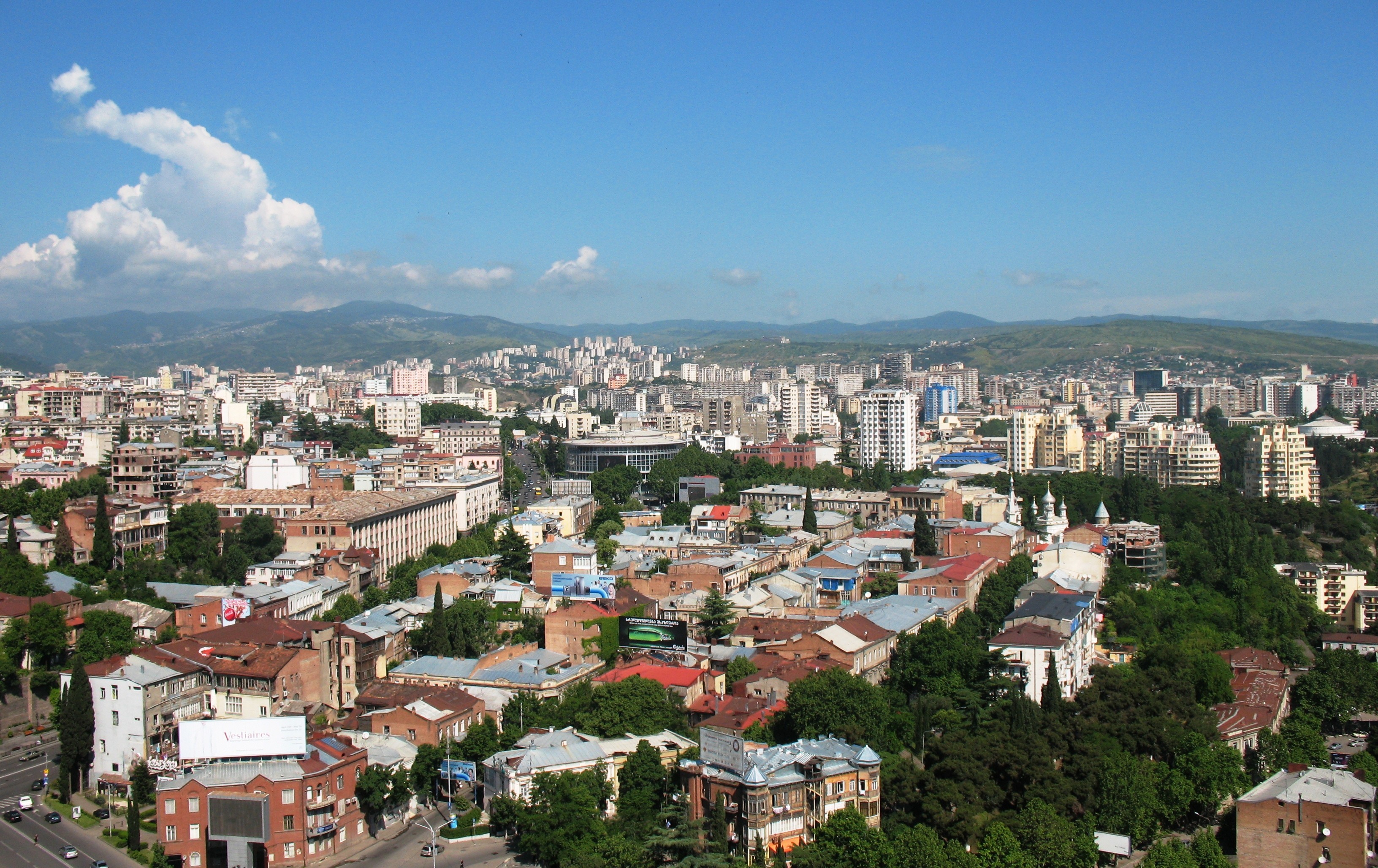
The capital is where most expats end up. With around 1 million people, it offers the best infrastructure, largest expat community, fastest internet, and widest variety of restaurants and nightlife. The city blends old-world charm - sulfur baths, winding alleys, Soviet architecture - with trendy cafes, coworking spaces, and a growing tech scene.
Tbilisi is also where you'll find most government services, international banks, and the professional ecosystem for registering your business.
The downside? Traffic can be brutal, air quality suffers during winter, and the influx of remote workers since 2020 has pushed rents up. Still, it remains far cheaper than Western European capitals.
Batumi
Georgia's second city sits on the Black Sea coast, about 5-6 hours from Tbilisi by train. It's smaller, quieter, and built around tourism - think beach boardwalks, casinos, and modern high-rise apartments with sea views.
Batumi attracts expats who want beach access, warmer winters, and an even lower cost of living. Rent for a sea-view apartment can run $300-$500/month, sometimes less in the off-season.
The downsides? The city is seasonal. Summer brings tourists and energy; winter can feel dead. The expat community is smaller, international food options are limited, and many newer apartment buildings have poor sound insulation. English is also less widely spoken than in Tbilisi.
Best for: Expats wanting beach life, budget-conscious nomads, those who prefer a slower pace.
Other Cities
Kutaisi (Georgia's third-largest city) and smaller towns like Telavi or Sighnaghi are cheap and scenic but lack the infrastructure and community that most expats need. Unless you speak Georgian or Russian and value rural solitude, Tbilisi or Batumi are your realistic options.
Best Neighborhoods in Tbilisi for Expats
Vake
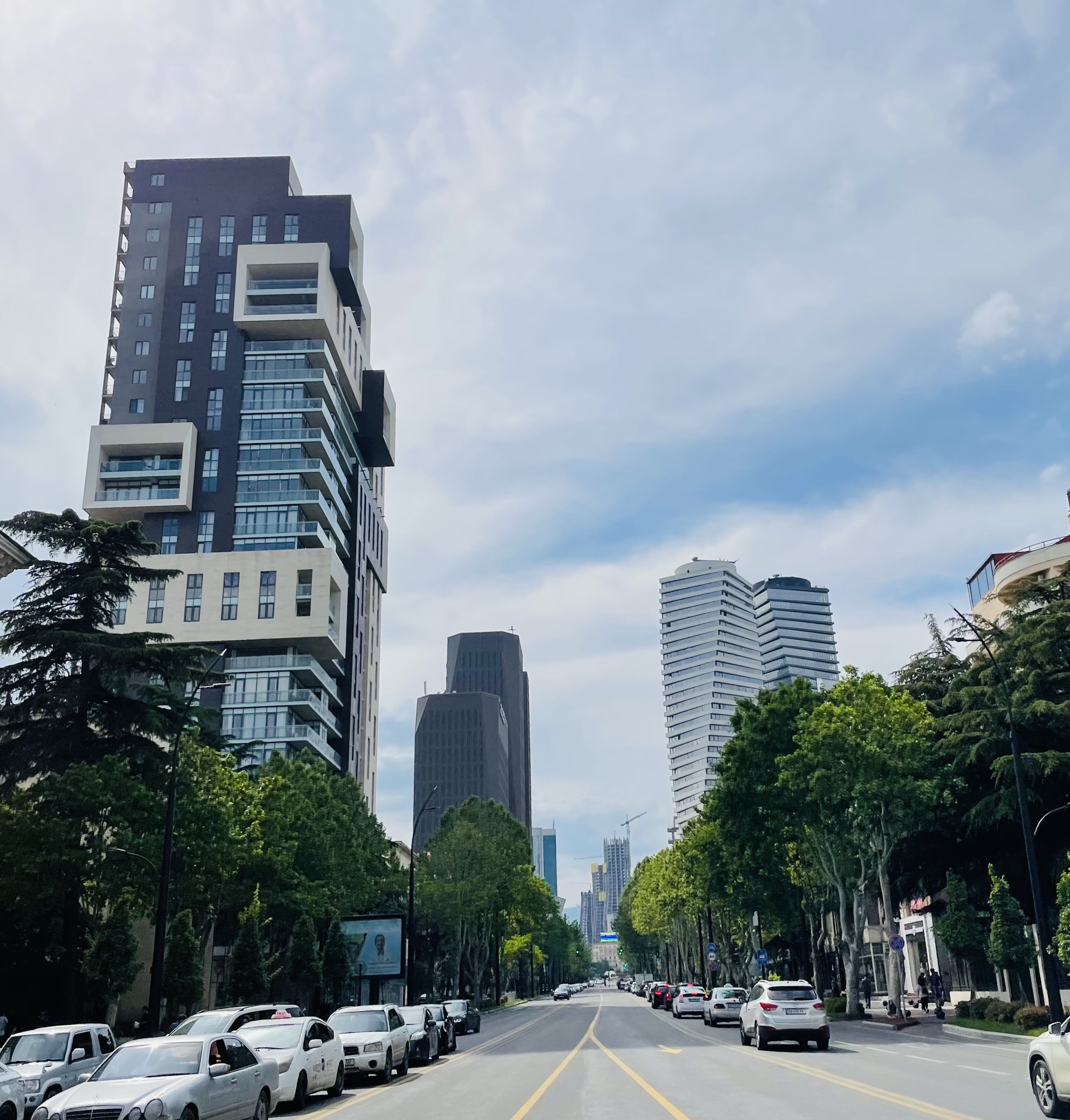
The most prestigious residential district in Tbilisi. Wide tree-lined streets, embassies, international schools, upscale cafes, and Vake Park for morning runs. Buildings are a mix of classic Soviet-era apartments and newer developments.
Average rent: $500-$800/month for a renovated 1-bedroom
Vibe: Established, family-friendly, expat-heavy
Pros: Green, safe, excellent restaurants, central
Cons: Priciest neighborhood, limited nightlife
Vera
A creative, slightly bohemian neighborhood just north of Rustaveli Avenue. Narrow streets, old buildings, lots of hostels-turned-coworking-spaces, and some of Tbilisi's best cafes. This is where you'll find many digital nomads.
Average rent: $450-$600/month for a 1-bedroom
Vibe: Artsy, walkable, young
Pros: Central location, strong cafe culture, networking opportunities
Cons: Older buildings can be drafty, limited parking, less green space
Saburtalo

A large residential district that's become a hub for expats, students, and families. Less charming than Vera or Vake, but very practical - metro access, shopping malls, gyms, supermarkets, and lots of newer apartment buildings.
Average rent: $350-$500/month for a 1-bedroom
Vibe: Modern, convenient, residential
Pros: Affordable, excellent metro access, modern amenities
Cons: Less character, traffic can be heavy, some areas feel generic
Old Tbilisi (Sololaki/Kala)
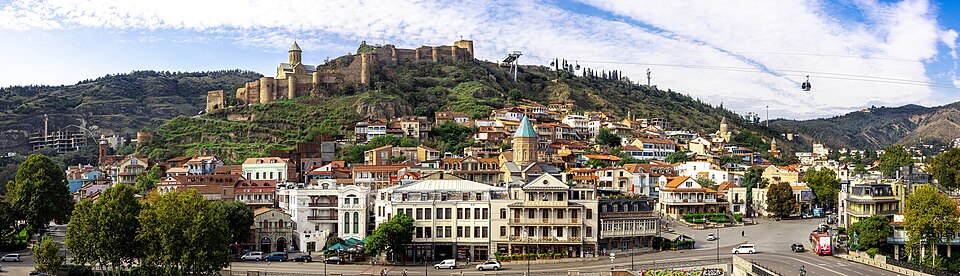
The historic heart of the city - cobblestone streets, balconied houses, sulfur baths, and tourist crowds. Beautiful for short stays, but living here means dealing with noise, steep hills, and older buildings that may lack modern heating.
Average rent: $400-$600/month for a 1-bedroom
Vibe: Historic, touristy, Instagram-ready
Pros: Beautiful architecture, walkable to sights, unique atmosphere
Cons: Tourist noise, difficult parking, older infrastructure
Marjanishvili
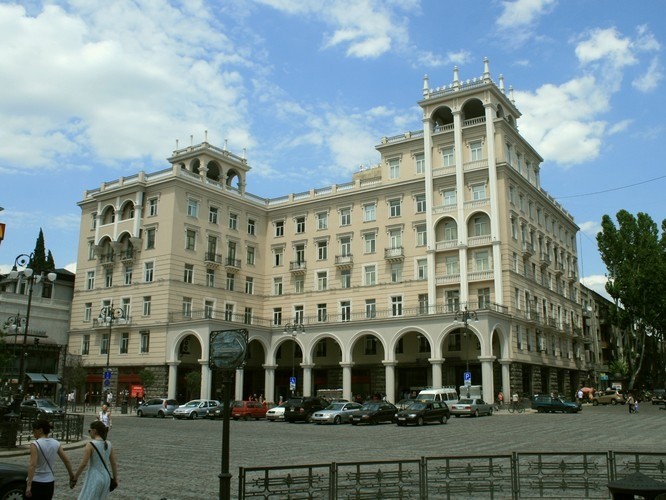
A multicultural area near the Dry Bridge Market. European-style buildings, diverse residents, and a budget-friendly price point make it popular with younger expats and students.
Average rent: $300-$450/month for a 1-bedroom
Vibe: Diverse, creative, budget-conscious
Pros: Affordable, central, lively
Cons: Can be noisy, fewer modern amenities
Renting an Apartment
The rental process in Georgia is informal compared to Western standards. Contracts are often basic (sometimes just a handshake), landlords may not speak English, and estate agents can be unreliable. Still, finding a place is straightforward if you know where to look.
Best Websites for Apartment Hunting
SS.ge - The largest classifieds site in Georgia. Most listings are in Georgian, but you can filter by neighborhood and price. Many landlords post directly here.
MyHome.ge - Similar to SS.ge, with a slightly better interface. Good for both rentals and purchases.
Facebook Groups - "Expats in Tbilisi," "Flats For Friends Tbilisi," and similar groups often have listings from other expats or landlords who speak English.
Airbnb - Useful for your first month while you search for something permanent. Long-term Airbnb rates are often negotiable.
Practical Tips
Negotiate: Prices are almost always negotiable, especially for longer stays or during the off-season.
Check heating: Many older buildings rely on gas heaters. Ask about heating costs before signing - winter bills can surprise you.
Air conditioning: Summers in Tbilisi hit 35-40°C. Make sure the apartment has AC.
Advance payment: Landlords typically ask for 1-2 months' rent upfront as a deposit.
Get a written contract: Even a simple one-page agreement protects both sides.
What to Expect
Most furnished apartments include a washing machine, basic kitchen equipment, and WiFi. Quality varies wildly - some renovated flats are modern and comfortable; others haven't been updated since the Soviet era. Always visit before signing.
Incorporating Locally: The 1% Tax
Georgia's Individual Entrepreneur (IE) with Small Business Status is the main reason many freelancers and remote workers move here. If you qualify, you pay just 1% tax on your gross turnover - no corporate tax, no dividend tax, no income tax beyond that 1%.
How It Works
Register as an Individual Entrepreneur (IE) at the Public Service Hall. This takes about an hour and costs around 20 GEL.
Apply for Small Business Status (SBS) through the Revenue Service portal. Approval usually takes a few days.
Pay 1% monthly on your gross income through your online tax account at RS.ge.
Register as an Individual Entrepreneur in Georgia
Pay 1% Tax. Legally.
We handle registration, tax setup, and Small Business Status in 3 days. You walk out with a business certificate and start invoicing the same day.
Free Consultation
Fully Compliant
3-Day Setup

Eligibility Requirements
Annual turnover must stay under 500,000 GEL (~$185,000)
Income must be Georgian-source (meaning you perform the work while physically in Georgia)
Your activity must not be on the prohibited list
Prohibited Activities
Not all professions qualify. The following are excluded from Small Business Status:
Legal services, notarial services
Tax and audit consulting
Medical and architectural services
Financial services and currency exchange
Gambling
Staffing/recruitment services
Any activity requiring a special license (with few exceptions)
IT work, marketing, design, content creation, software development, and most freelance services qualify without issue.
Important Notes
You don't need Georgian residency or citizenship to register as an IE
You don't need to be a tax resident
However, becoming a tax resident (spending 183+ days in Georgia) simplifies your tax situation and avoids potential double-taxation issues with your home country
The 1% rate applies from the first day of the month after your SBS approval - plan accordingly
For a detailed walkthrough, read our dedicated guide to the 1% tax regime.
Cost of Living
Georgia remains affordable, though prices have risen since 2020. Here's a realistic monthly budget breakdown for a single person in Tbilisi:
Budget Level ($800-$1,000/month)
Rent: $350-$400 (1-bedroom in Saburtalo or outer Vera)
Groceries: $150-$200
Eating out: $100
Transport: $30 (metro + occasional Bolt)
Utilities: $50-$80
Phone/Internet: $15-$25
Entertainment: $100
Mid-Range Level ($1,200-$1,500/month)
Rent: $500-$650 (renovated 1-bedroom in Vake or central Vera)
Groceries: $200-$250
Eating out: $200
Transport: $50
Utilities: $70-$100
Phone/Internet: $20
Gym: $40-$50
Entertainment: $150
Comfortable Level ($1,800-$2,500/month)
Rent: $800-$1,200 (modern apartment in Vake or new building)
Higher spending across all categories
Occasional travel within Georgia
Premium gym membership
For families: Budget $2,500-$3,500/month, plus international school fees if applicable.
Batumi runs about 15-25% cheaper than Tbilisi for equivalent housing.
Banking and Money
Opening a Georgian bank account is easier than in most European countries. You don't need residency, proof of address, or a minimum deposit.
Top Banks for Expats
Bank of Georgia (BoG) - The largest and oldest bank. Reliable mobile app, extensive ATM network, supports 35+ currencies. Their premium service is called SOLO.
TBC Bank - The most popular choice among expats. Modern digital banking, straightforward account opening, and their premium tier is called TBC Concept.
Both banks are comparable in quality. Choose whichever has a more convenient branch for you.
What You Need to Open an Account
Valid passport
Georgian phone number (get a SIM first)
Email address
In-person visit to a branch (central branches in Tbilisi are best for English service)
Some branches may ask for proof of income or source of funds, especially for business accounts. This is standard anti-money laundering compliance. Having contracts or bank statements from your home country helps.
Tips
Visit branches on Rustaveli Avenue or in major malls - staff there are more experienced with foreign clients
No minimum deposit is required, though some staff may incorrectly tell you otherwise
Multi-currency accounts (GEL, USD, EUR) are standard
Both banks have solid mobile apps with English interfaces
Internet and Mobile
Georgia has solid internet infrastructure. Most apartments come with fiber connections offering 50-100 Mbps - more than enough for video calls and remote work.
Mobile Providers
Three main operators:
Magti - Best overall coverage, especially outside cities. Most expats use Magti. Unlimited data plans start around 25-35 GEL/month.
Silknet (formerly Geocell) - Good coverage in urban areas, competitive pricing, offers eSIMs for easier setup.
Cellfie (formerly Beeline) - Cheapest option, but weakest coverage outside major cities. Fine if you'll only be in Tbilisi.
Getting a SIM Card
Visit any provider's store with your passport. Stores are everywhere - airports, malls, city centers. Setup takes 10-15 minutes.
Recommended: Magti's unlimited weekly plan (9 GEL) or monthly plan (25-35 GEL) gives you unlimited high-speed data, which works well as a mobile hotspot backup.
Home Internet
Main providers are Silknet, Magti, and Caucasus Online. Expect 30-50 GEL/month for 100 Mbps fiber. Most landlords include internet in furnished rentals or can set it up quickly.
Getting Around
In Tbilisi
Metro - Two lines covering the main areas. Fast, cheap (1 GEL per ride), and reliable. Buy a Metromoney card at any station for cashless payment on metro and buses.
Buses - Extensive network, same Metromoney card works. Can be crowded.
Bolt - The go-to taxi app. Rides within central Tbilisi cost 5-15 GEL. Reliable and much cheaper than Western standards.
Marshrutkas - Minibuses that run fixed routes. Cheap but can be confusing for newcomers.
Between Cities
Train - A modern Swiss-made train connects Tbilisi and Batumi (5-6 hours, comfortable). Older trains run to other cities.
Marshrutkas - Cheap intercity buses depart from Didube station in Tbilisi. Not comfortable for long distances.
Bolt/Taxi - Shared taxis to nearby destinations are common and affordable.
Language and Culture
Georgian is notoriously difficult - its own alphabet, unique grammar, and no relation to other major language families. Most expats don't learn beyond basic phrases.
English is widely spoken among younger Georgians in Tbilisi, especially in service industries, coworking spaces, and tourist areas. Outside the capital and tourist spots, English drops off sharply.
Cultural Notes
Georgians are famous for hospitality. Invitations to dinner can turn into multi-hour feasts with many toasts.
The country is socially conservative. While Tbilisi has a growing progressive scene, public displays of affection between same-sex couples can attract negative attention, especially outside the capital.
Driving is chaotic. Pedestrian crossings are suggestions. Look both ways, then look again.
Georgians smoke a lot. Non-smoking restaurants exist but are less common than in Western Europe.
Safety Considerations
Georgia is generally safe. Violent crime is rare, and petty theft is less common than in most European capitals. Women traveling alone report few issues beyond occasional persistent attention.
Things to watch:
Traffic is the biggest danger. Drivers are aggressive, and pedestrians do not have automatic right of way.
Air quality in Tbilisi can be poor in winter due to heating and traffic.
The disputed regions of Abkhazia and South Ossetia are off-limits. Don't attempt to enter.
Political protests occur periodically, especially around election times. These are generally peaceful but can disrupt central Tbilisi.
LGBTQ+ Considerations
Georgia is a conservative, Orthodox Christian country. While homosexuality is legal, social acceptance is limited. Pride events have faced violent counter-protests.
LGBTQ+ travelers should exercise discretion, particularly outside Tbilisi. The capital has a small but growing queer-friendly scene concentrated around specific bars and clubs.
Pros, Cons, and Who Georgia Is Best For
Pros
1-year visa-free stay for 95+ nationalities
1% tax rate for qualifying freelancers and entrepreneurs
Low cost of living compared to Western Europe
Fast, reliable internet
Beautiful scenery - mountains, wine country, Black Sea
Friendly locals and strong hospitality culture
Easy business registration
Good food and affordable wine
Cons
Language barrier outside Tbilisi
Air quality issues in winter
Chaotic traffic
Conservative social attitudes (LGBTQ+ travelers take note)
Healthcare quality varies
Limited international flight connections compared to major hubs
Rental market can be unprofessional
Best For
Freelancers and remote workers seeking tax efficiency
Digital nomads wanting an affordable European base
Entrepreneurs testing products for emerging markets
Anyone curious about the Caucasus region
Wine enthusiasts (Georgia has 8,000+ years of winemaking history)
Not Ideal For
Those requiring top-tier healthcare
LGBTQ+ individuals seeking full social acceptance
Families needing extensive international school options
Anyone who needs frequent direct flights to major cities
FAQ
Do I need a visa to move to Georgia?
Citizens of 95 countries - including the US, UK, Canada, Australia, and all EU nations - can enter Georgia visa-free and stay for up to 365 days. You just need a valid passport. There's no special application or registration required upon arrival.
How does the 1% tax work in Georgia?
By registering as an Individual Entrepreneur and obtaining Small Business Status, you pay just 1% tax on your gross turnover (up to 500,000 GEL annually). This applies to most freelance and remote work. Certain professions like legal, medical, and consulting services are excluded.
Can I open a Georgian bank account as a foreigner?
Yes. You need a valid passport, a Georgian phone number, and an in-person visit to a bank branch. TBC Bank and Bank of Georgia are the most popular choices for expats. No residency or proof of address is required.
What is the cost of living in Tbilisi?
A single person can live comfortably on $1,000-$1,500/month. This covers rent for a decent 1-bedroom apartment, groceries, eating out, transport, and entertainment. Budget travelers can manage on $800/month; those wanting premium housing and frequent dining out should budget $1,800+.
Is Georgia safe for expats?
Yes, Georgia is generally safe. Violent crime is rare, and theft is less common than in many European cities. The main safety concerns are aggressive traffic (be careful crossing streets) and occasional air quality issues in Tbilisi during winter.
What is the best neighborhood to live in Tbilisi?
It depends on your priorities. Vake is prestigious and green but pricey. Vera is creative and central with strong cafe culture. Saburtalo is affordable and practical with good metro access. Old Tbilisi is beautiful but touristy and less practical for daily life.
Do people speak English in Georgia?
In Tbilisi, yes - especially among younger people, in cafes, coworking spaces, and service industries. Outside the capital, English proficiency drops significantly. Russian is still widely spoken by older generations.
Can I bring my family on the 1-year visa-free stay?
Yes. Each family member with a qualifying passport can enter independently under the same visa-free policy. There's no family visa or sponsorship required - everyone just enters individually.
What's the internet like in Georgia?
Excellent in urban areas. Most Tbilisi apartments have fiber internet with speeds of 50-100 Mbps. Mobile data is cheap and reliable. Magti is the recommended provider for best coverage throughout the country.
Is Georgia LGBTQ+ friendly?
Georgia is socially conservative. While homosexuality is legal, public acceptance is limited, and Pride events have faced opposition. Tbilisi has a small queer-friendly scene, but discretion is advisable, especially outside the capital.
Final Thoughts
Georgia won't be for everyone. The language barrier, conservative culture, and distance from major European hubs can be challenges. But for remote workers and entrepreneurs seeking a low-tax, affordable, and genuinely interesting place to live, it delivers.
The combination of visa-free access, the 1% tax regime, and a cost of living that stretches your money makes it hard to beat. Add in good food, friendly people, and stunning landscapes, and you have a destination worth serious consideration for your next chapter abroad.