Things to Do
Tbilisi Itinerary: How to Spend 3 Perfect Days in Georgia's Capital
Plan your perfect 3 days in Tbilisi with this detailed itinerary. Discover Old Town, sulfur baths, Georgian cuisine, wine bars, and stunning views in Georgia's capital.

Tbilisi is the kind of city that rewards wanderers.
The Georgian capital blends 1,500 years of history with a thriving modern food and wine scene, all packed into a walkable downtown framed by hills and a winding river.
With three days here, you can soak in sulfur baths, feast on cheese-filled khachapuri, taste wines made using 8,000-year-old traditions, and get wonderfully lost in lanes lined with crumbling pastel houses.
This itinerary balances must-see sights with local experiences - no rushed museum hopping, just a relaxed pace that lets Tbilisi work its magic.
Day 1 - Old Town, History and First Impressions
Morning - Old Town Wander
Start your first day in Dzveli Tbilisi (Old Town) by simply getting lost. This is the heart of the city, where cobblestone streets twist between buildings with ornate wooden balconies - some freshly painted, others beautifully weathered. The area around Vakhtang Gorgasali Square makes a good starting point.
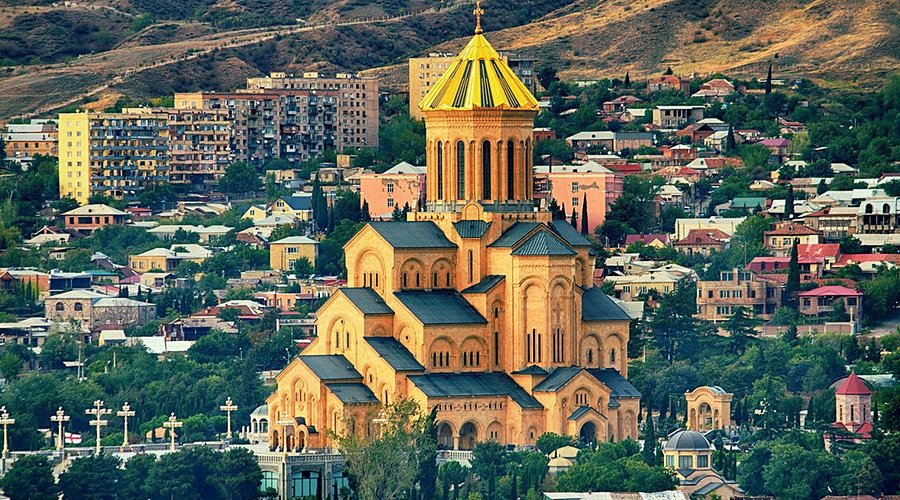
Take the streets slowly. Duck into courtyards, peer through arched doorways, and follow staircases that seem to lead nowhere. You will pass the Sioni Cathedral, glimpse the quirky Gabriadze Clock Tower attached to the puppet theater, and stumble across tiny churches with candlelit interiors. The Anchiskhati Basilica, one of the oldest churches in the city, is worth a quiet moment inside.
The best part of Old Town is what you find by accident - a grandmother selling churchkhela (candle-shaped walnut and grape candy) from her doorstep, a hidden wine bar down a spiral staircase, a courtyard filled with laundry and grapevines. Keep your phone maps closed for at least an hour and trust the winding streets.
Pro tip: Start early, around 8-9 AM, before the day-trippers arrive. The morning light hitting those colorful facades is worth the early alarm.
Afternoon - Sulfur Baths and Lunch
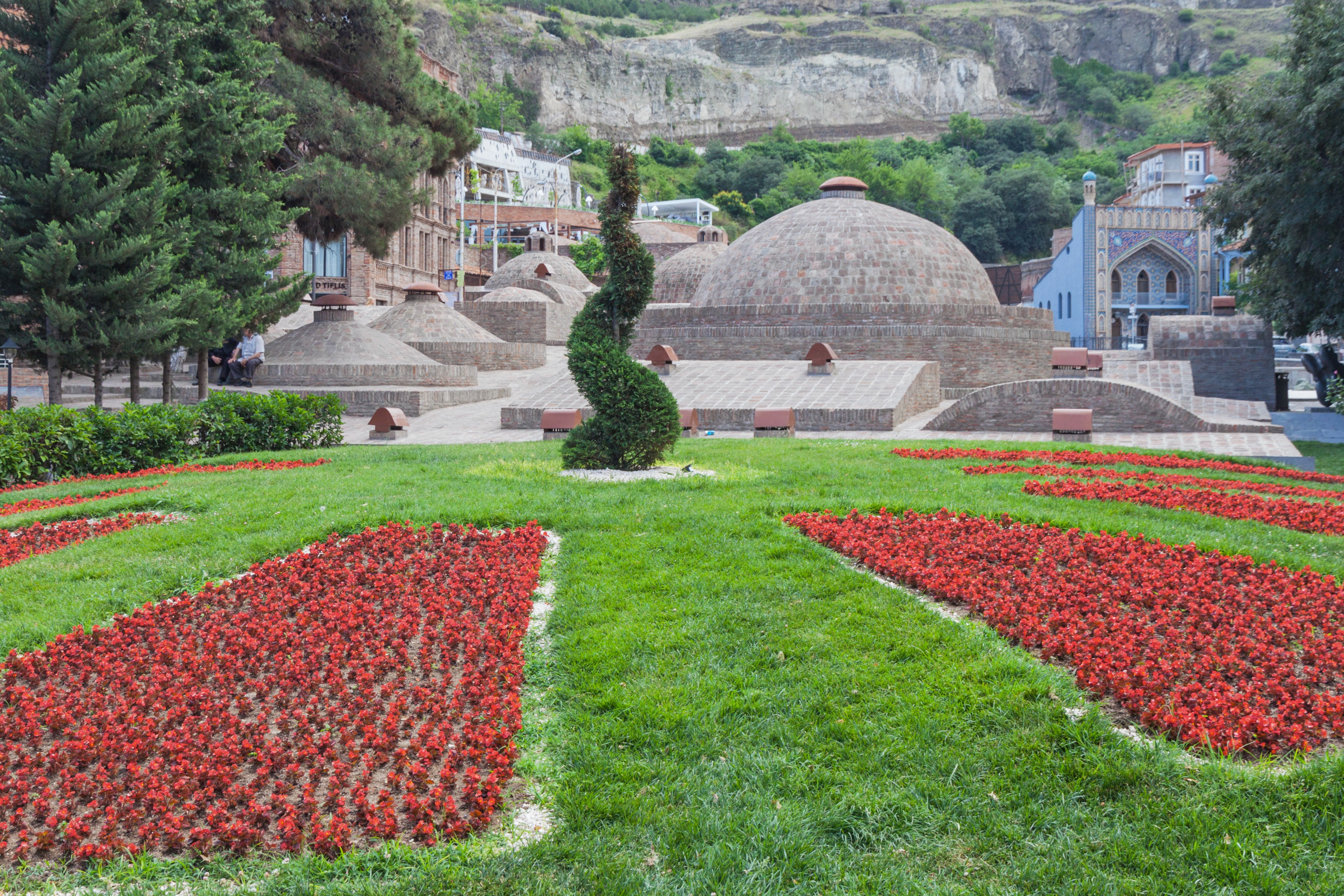
By early afternoon, make your way to Abanotubani - literally "bath district" - at the base of the Old Town. This is where Tbilisi got its name: according to legend, King Vakhtang I discovered hot springs here in the 5th century when his falcon fell into the warm water. The word "tbili" means warm in Georgian.
The sulfur baths are not a spa experience in the Western sense. They are a centuries-old tradition, simple and restorative. You will see the distinctive domed rooftops rising from the ground - these are the bath chambers below. The water runs naturally warm at around 38-40 degrees Celsius and smells strongly of sulfur. Most visitors book a private room for 1-2 hours and add a kisi - a vigorous scrub-down with an exfoliating mitt that removes layers of dead skin you did not know you had.
A few recommendations:
Chreli Abano is the most photographed bathhouse with its Persian-tiled facade. Private rooms start around 70-100 GEL per hour. Gulo's Thermal Spa is a family-run option popular for its traditional kisi scrubs. Bathhouse No. 5 offers the most authentic public bath experience at a fraction of the price - around 5-10 GEL for the public section.
Book ahead if visiting on weekends, and bring cash for tipping the mekise (the person doing your scrub) - 10-20 GEL is standard.
After the baths, walk a few minutes to grab a late lunch nearby. This is the perfect moment for your first encounter with Georgian cuisine. Try khachapuri (cheese-filled bread) and khinkali (soup dumplings). For khinkali, hold the dumpling by the topknot, bite a small hole, slurp out the hot broth, then eat the rest - you do not eat the doughy knob at the top.
Recommendations:
Traditional Georgian - Pasanauri, Zodiaco, Klike (this last one specializes in Khinkali)
Up-Scale - Georgian House, Keto & Kote
Evening - Views and Wine
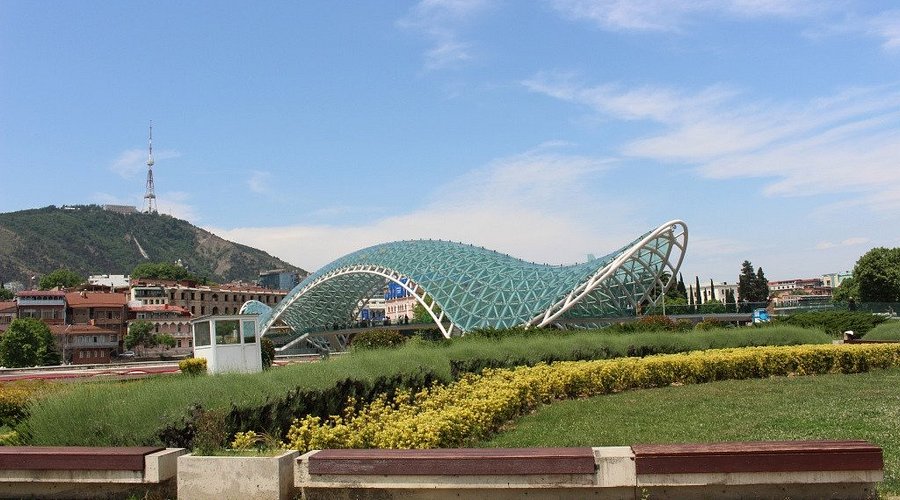
As late afternoon approaches, head to Rike Park on the left bank of the Mtkvari River. From here, take the cable car up to Narikala Fortress and the Mother of Georgia statue. The ride costs just 2.5 GEL (you can use a metro card) and takes about two minutes, giving you sweeping views of the Old Town, the river, and the modern Peace Bridge below.
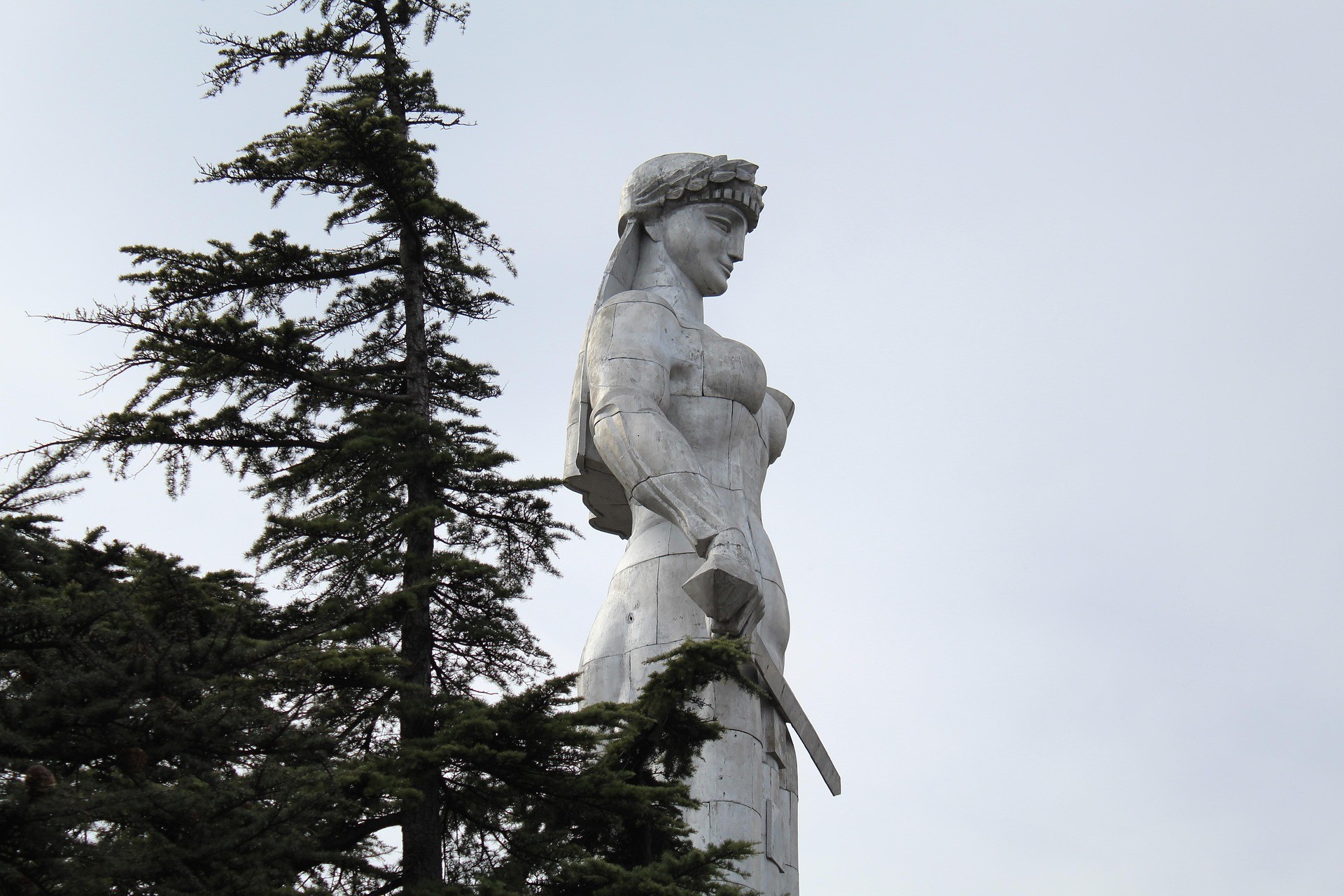
At the top, walk along the fortress walls - much of it dates back to the 4th century, though earthquakes and invasions have left it partially ruined. The views at sunset are spectacular, with the city lights beginning to flicker on below. The enormous Mother of Georgia statue stands nearby, sword in one hand, a bowl of wine in the other - a symbol of Georgian hospitality and readiness to defend it.
Walk back down through the Old Town rather than taking the cable car - the descent passes the small Leghvtakhevi Waterfall and more atmospheric lanes.
End your first day with a glass of Georgian wine. Georgia is the oldest winemaking country in the world, with 8,000 years of history. The traditional method involves fermenting grapes in clay vessels called qvevri buried underground, often with skins and seeds included. This produces distinctive amber wines alongside the usual reds and whites.
For a first introduction, try Vino Underground near Freedom Square - a cozy cellar bar owned by a collective of Georgian natural winemakers. Or head to g.Vino in Old Town for excellent qvevri wines paired with small plates.
Day 2 - Culture, Food and Local Neighborhoods
Morning - Markets and Museums (Optional)
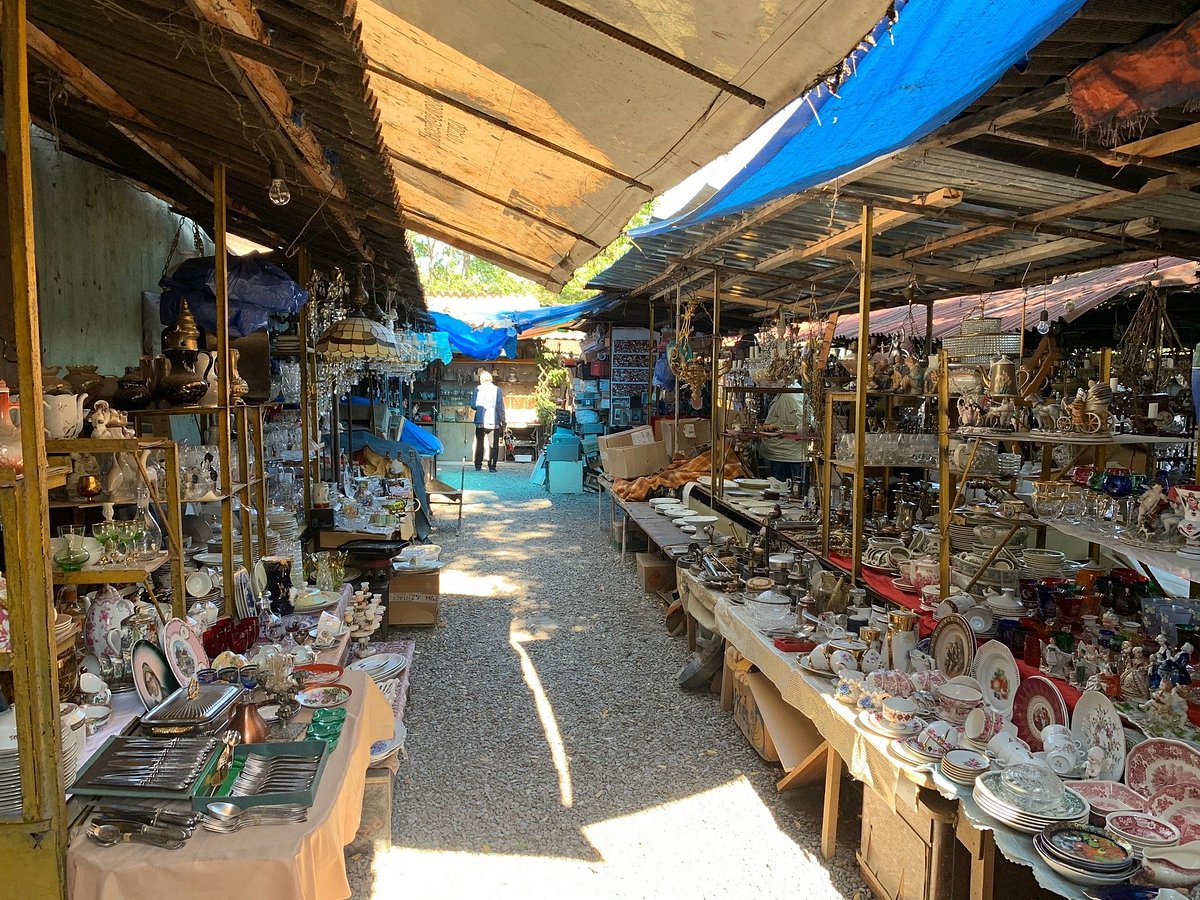
Start your second day at the Dry Bridge Flea Market, a sprawling open-air market near the river where vendors sell Soviet memorabilia, antique jewelry, old cameras, Georgian art, vinyl records, and random curiosities. It is best on weekends but operates daily. Even if you do not buy anything, wandering through is a window into Georgia's layered history - Orthodox icons sit next to Stalin-era medals and traditional drinking horns.
From there, museum lovers have options. The Georgian National Museum on Rustaveli Avenue houses the Treasury with stunning goldwork from the Bronze Age and an exhibit on Soviet occupation. The Art Palace nearby showcases Georgian theater, music, and cinema history in a beautiful 19th-century building. If museums are not your thing, skip ahead to neighborhood exploring - Tbilisi does not demand you check boxes.
Afternoon - Neighborhood Life
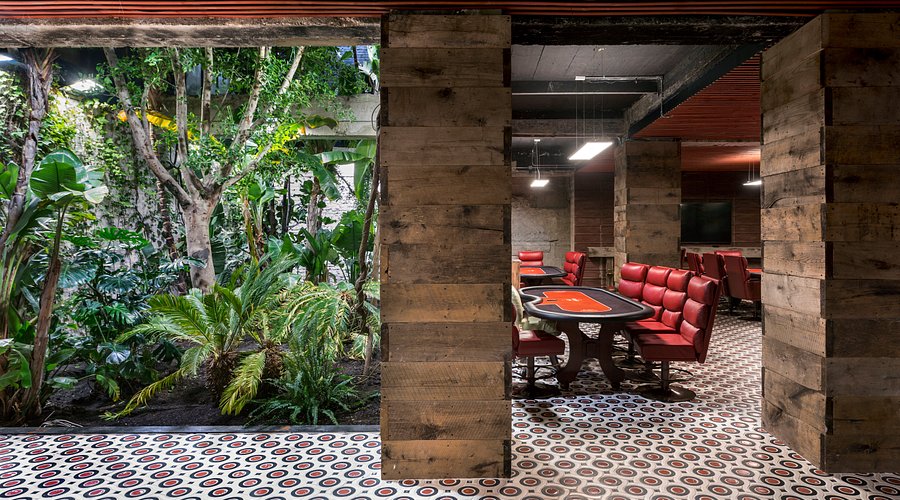
Spend the afternoon exploring the Vera neighborhood, a 10-minute walk northwest from Rustaveli Avenue. This former residential area has transformed into a hub for creative types, with independent cafes, wine bars, fashion boutiques, and artisanal bakeries tucked between early 20th-century buildings.
Wander along Melikishvili Street and the streets branching off it. Stop for coffee at one of the specialty cafes - Tbilisi's coffee scene has grown rapidly. You will find coworking spaces, concept stores, and a distinctly local vibe away from the tourist center.
For lunch, try Cafe Stamba inside Stamba Hotel - they serve one of the best Adjarian khachapuri in the city, with thin crispy dough and the perfect cheese-to-bread ratio. Or head to Cafe Daphna near the Dry Bridge for excellent khinkali in a stylish setting.
In the later afternoon, loop back toward Fabrika, a converted Soviet sewing factory in the Chugureti neighborhood that now houses hostels, bars, shops, and creative studios around a central courtyard. It is a good spot to people-watch and get a sense of Tbilisi's younger, creative crowd.
Evening - Georgian Feast
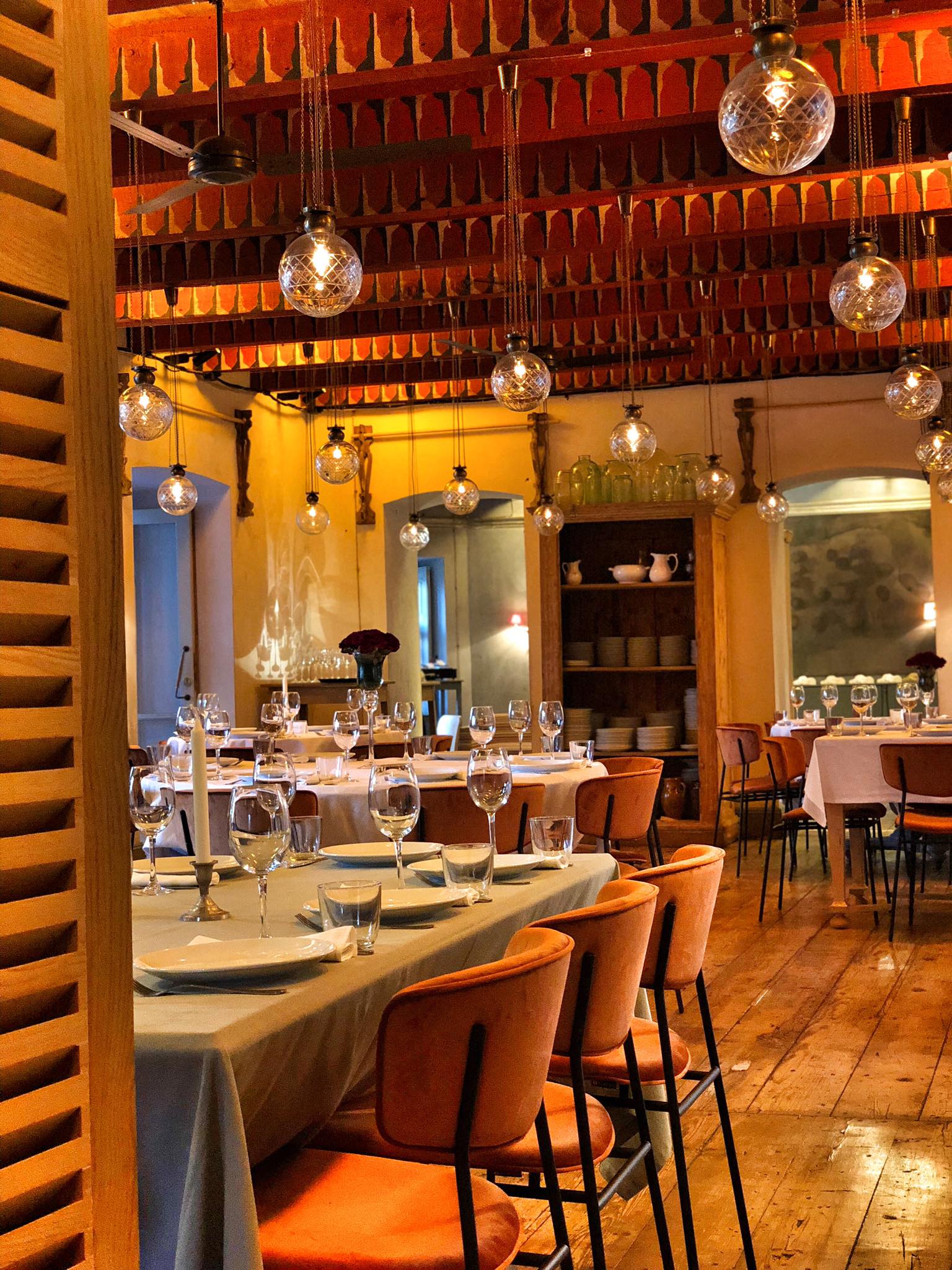
Tonight is for a proper Georgian dinner - the kind that lasts three hours and involves far too much food. Georgian meals are traditionally served supra style, meaning everything arrives at once and stays on the table as long as you are there. Expect toasts, called tamadas, often led by a designated toastmaster who guides the table through tributes to family, friendship, Georgia, and departed loved ones. You are not obligated to participate, but raising your glass along with everyone else is part of the experience.
Order generously and share. Beyond khachapuri and khinkali, try pkhali (vegetable-walnut spreads), badrijani (eggplant rolls with walnut filling), mtsvadi (grilled meat skewers), and chicken in garlic sauce called shkmeruli. Wash it down with Georgian wine - ask for something made in qvevri if they have it.
Keto and Kote in the Vera neighborhood serves excellent Georgian-fusion cuisine in a 19th-century mansion. For something more traditional and raucous, try Shavi Lomi on the outskirts (a taxi ride away) for farm-to-table Georgian cooking. Closer to Old Town, Azarphesha near Freedom Square pairs seasonal Georgian dishes with a strong wine list.
Optional Nightlife
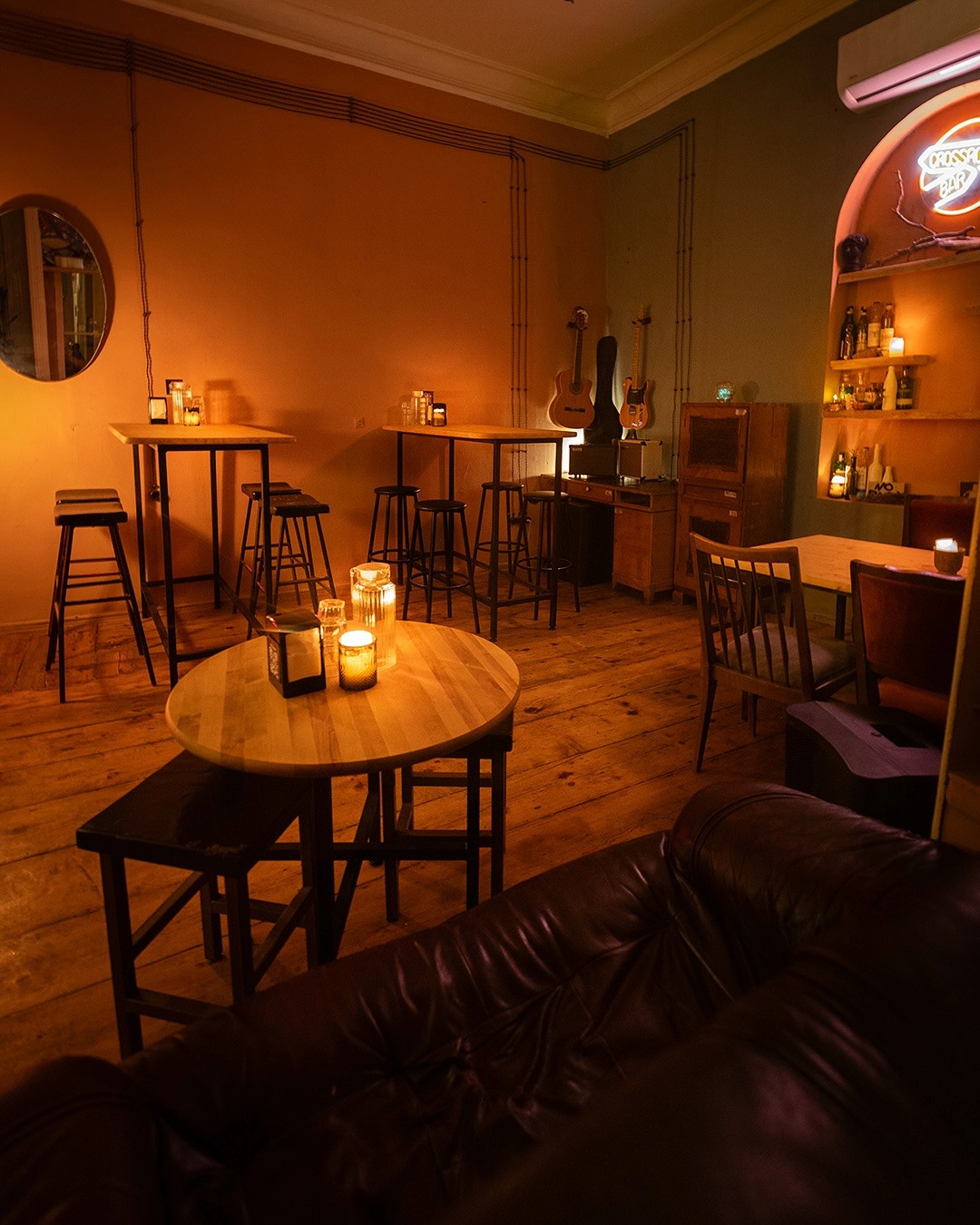
If you still have energy, Tbilisi's nightlife has a TON to offer!
Some recommendations:
Crossroads Bar - Tbilisi’s #1 international bar. Great for meeting fellow travelers over a pint or a cocktail.
41 Art of Drinks - One of the most unique cocktail bars in town. Every cocktail they serve has a traditional Georgian twist to it.
Bassiani - Legendary techno club. If you’re into the party scene, this one’s a must-see.
Chacha Time - Cocktail bar with a twist - all the drinks are made with Chacha. Be careful, they hit hard.
Day 3 - Nature, Views and Modern Tbilisi
Morning - Green Escape
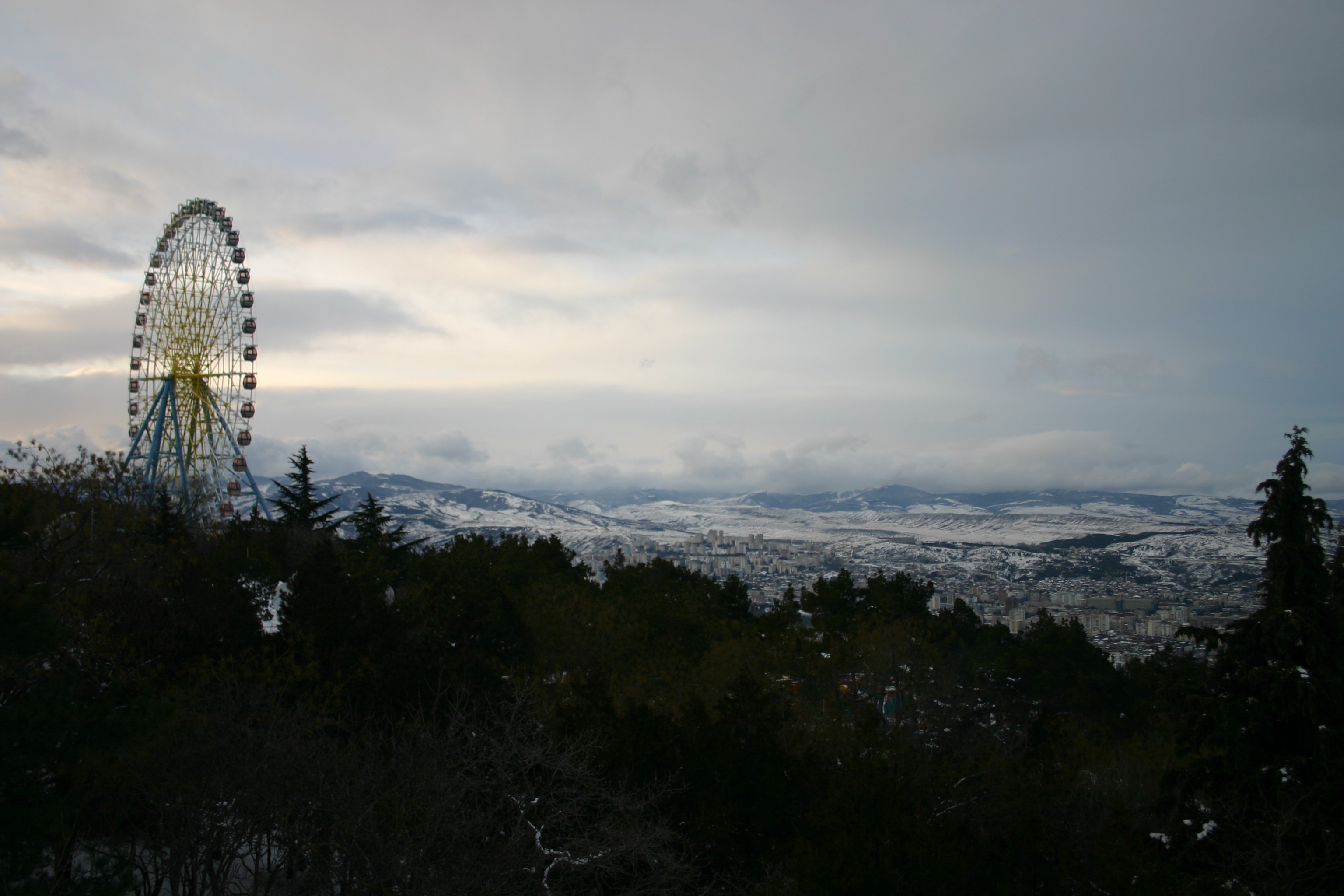
Spend your final morning above the city. Mtatsminda Park sits atop the "Holy Mountain" overlooking Tbilisi, reachable by the vintage funicular railway from near Rustaveli Avenue. The ride itself is part of the experience - the cars date back decades and climb steeply through the hillside.
At the top, you will find an amusement park (complete with a Ferris wheel and rollercoaster), walking trails, panoramic viewpoints, and the towering TV tower visible from everywhere in the city. The views over Tbilisi are even better than from Narikala - on a clear day, you can see the Caucasus Mountains in the distance.
Walk through the park to the Mtatsminda Pantheon, a cemetery where Georgia's most celebrated writers, artists, and national heroes are buried. It is peaceful and beautifully maintained.
For breakfast with a view before or after, try the restaurants at the top of the funicular - or bring pastries from a bakery in town.
Afternoon - Modern Side
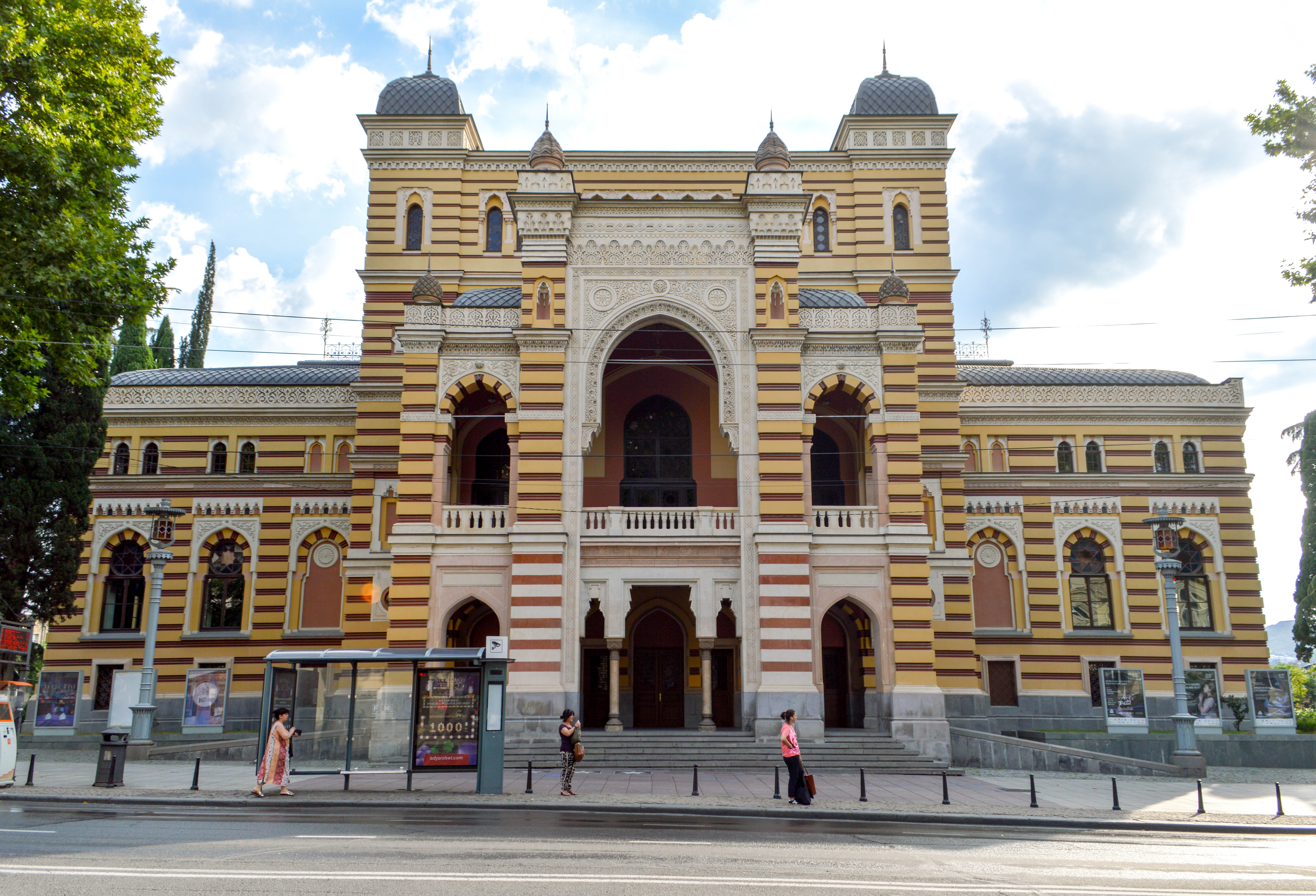
Descend back to the city and spend the early afternoon exploring Tbilisi's more contemporary side. Walk along Rustaveli Avenue, the main boulevard, passing the Opera House, Parliament building, and grand 19th-century facades. The Kashveti Church of St. George sits mid-avenue and is worth a quick look inside.
Cross the futuristic Peace Bridge - a glass-and-steel structure that lights up with LEDs at night - and stroll through Rike Park on the other side. The park itself has concert stages and the unusual tubular structures of the former Exhibition Hall (currently abandoned but architecturally interesting).
If you want a final shopping or cafe stop, the area around Aghmashenebeli Avenue in Marjanishvili has been pedestrianized and renovated, with a nice mix of old architecture, boutiques, and restaurants.
Evening - Farewell Dinner
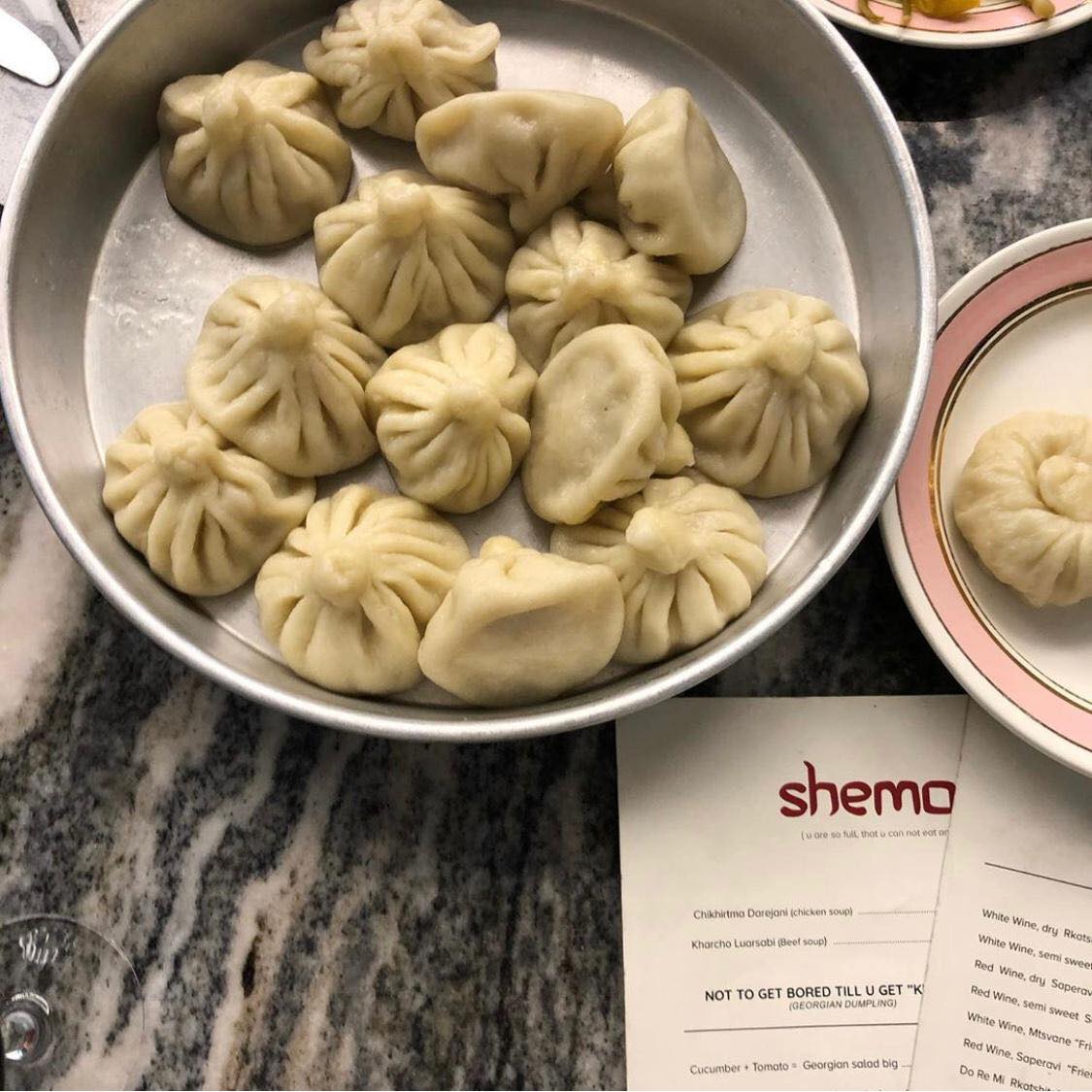
For your last night, return to a favorite from earlier in the trip or try somewhere new. Shemomechama in Vake serves some of the best khinkali in town in a no-frills setting beloved by locals. If you want something more upscale, Barbarestan near the Opera House recreates 19th-century Georgian recipes in an elegant setting.
End the evening with a final glass of wine at one of Old Town's rooftop terraces, watching the city lights spread out below Narikala Fortress. Tbilisi is a city that invites you to slow down, and three days is just enough to feel like you have barely scratched the surface - in the best possible way.
Where to Stay (Short, Practical)
Old Town and Sololaki
Charm and walkability. Stay here if you want to step out your door into cobblestone lanes and be within walking distance of most attractions. Expect older buildings with character, some without elevators. Hotels range from boutique guesthouses to mid-range options like Makmani Boutique Hotel.
Vera and Vake
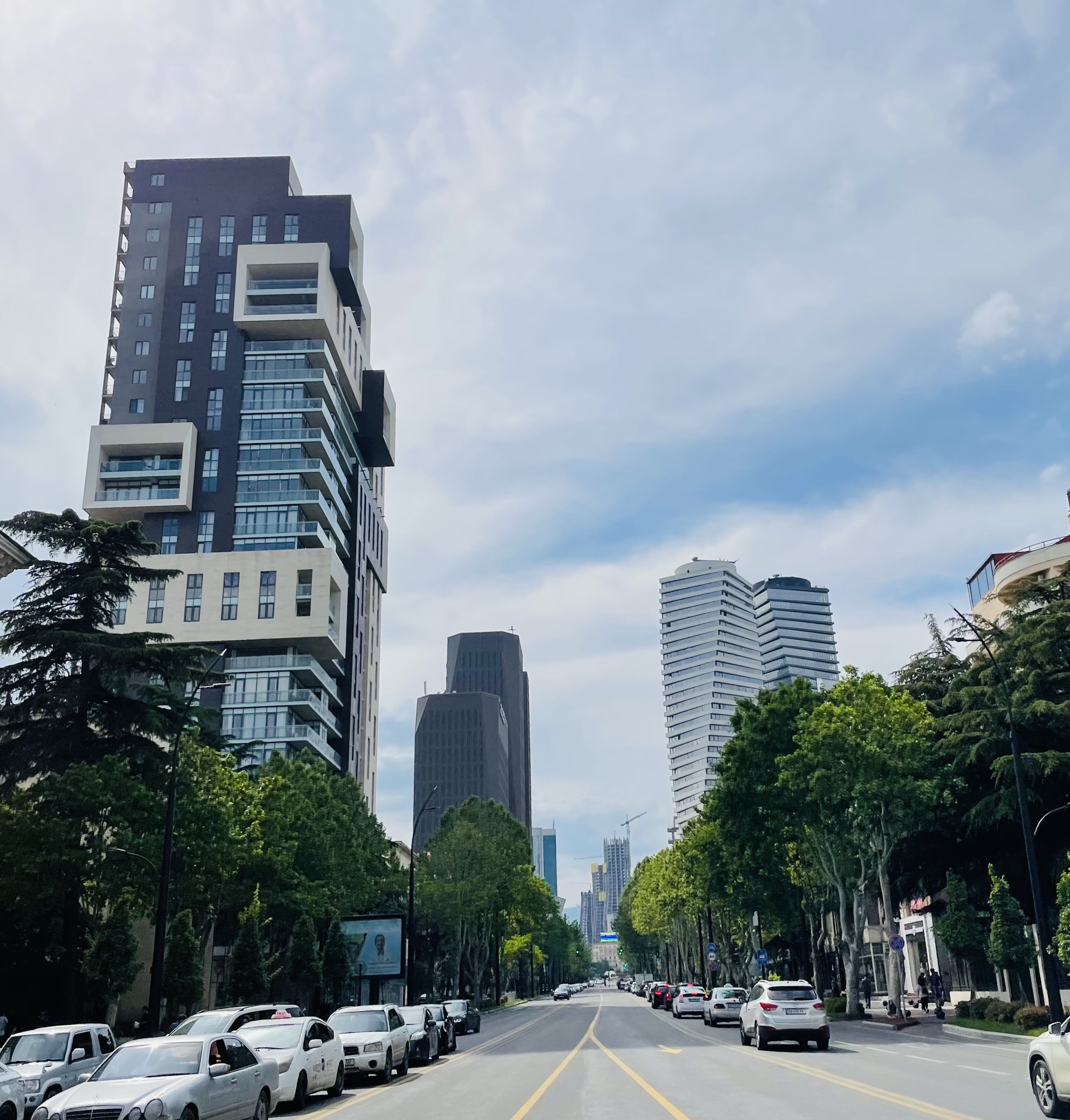
Calmer and more local. Vera is a 10-minute walk from Rustaveli Avenue and full of cafes and wine bars - great for longer stays or if you want a neighborhood feel. Vake is Tbilisi's upscale district with parks and modern apartments, though it requires a taxi or bus to reach Old Town. The Stamba Hotel and Rooms Hotel are both in Vera.
Rustaveli Avenue
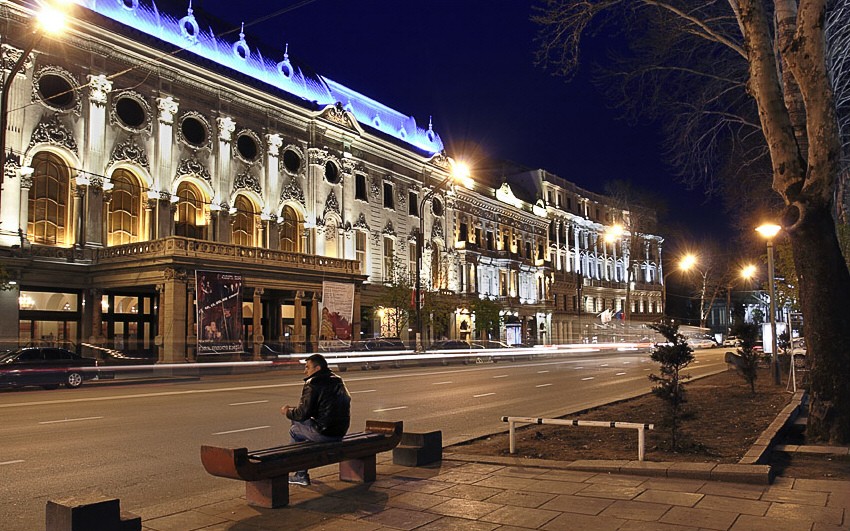
Central and connected. Easy access to the metro, close to both Old Town and newer neighborhoods. A good middle ground if you want convenience without the sometimes cramped Old Town streets. The Radisson Blu Iveria and Moxy Tbilisi are solid options here.
Getting Around Tbilisi
Walking is the best way to explore Old Town and central neighborhoods. The city is compact, though hilly in places - comfortable shoes are essential.
Bolt is the ride-hailing app of choice. Download it before you arrive. Rides are cheap - expect 5-15 GEL for most cross-city trips.
The metro has two lines and is useful for reaching neighborhoods like Marjanishvili or Saburtalo. Rides cost 1 GEL with a reusable metro card (2 GEL deposit). One card works for multiple people.
Do not rent a car for Tbilisi itself. Traffic is chaotic, parking is scarce, and you do not need one. Save car rentals for day trips to places like Kazbegi or Kakheti.
Practical Tips
Cash vs Card: Cards are widely accepted in restaurants, hotels, and shops in central Tbilisi. However, carry some Georgian Lari (GEL) for smaller vendors, markets, the baths, and tipping. ATMs are everywhere and dispense GEL.
Language: Georgian uses its own alphabet, which can feel disorienting at first. English is widely spoken by younger people in tourist areas. Learning a few words - gamarjoba (hello), madloba (thank you) - goes a long way. Avoid leading with Russian, as Georgia has a complicated history with its northern neighbor.
Safety: Tbilisi is remarkably safe for a capital city. Walking at night in central areas is generally fine. Use normal precautions - watch your belongings in crowded markets and do not flash valuables.
Tipping: Most restaurant bills include a 10% service charge, but this often goes to the house rather than servers. If you had good service, leaving an additional 5-10% in cash is appreciated. For tour guides, 10-15% is standard. Round up taxi fares or add 1-2 GEL.
The Wine Warning: Georgian hospitality runs deep, and refusing a toast is difficult. Wine flows freely at supras, and chacha (grape brandy) appears unexpectedly. Pace yourself - Georgian wine is delicious but deceptively smooth. Drink water between glasses.
FAQ
Is 3 days enough for Tbilisi?
Three days is a good amount of time to explore Tbilisi's highlights at a relaxed pace. You can see the Old Town, visit the baths, eat plenty of Georgian food, and get a feel for the city's character. If you want to add day trips to places like Kazbegi or the wine region of Kakheti, consider adding a fourth or fifth day.
What is the best area to stay in Tbilisi?
For first-time visitors, Old Town or Sololaki offer the most atmosphere and walkability. The Vera neighborhood is excellent for those who prefer a quieter, more local vibe with great cafes and wine bars. Rustaveli Avenue works well if you want central location with easy metro access.
Is Tbilisi safe for solo travelers?
Tbilisi is considered one of the safer capital cities in the world. Solo travelers, including women, generally report feeling comfortable walking around day and night. Standard precautions apply - stay aware of your surroundings and avoid deserted areas late at night.
Do I need to know Georgian or Russian?
English is widely spoken in tourist areas, hotels, and restaurants in central Tbilisi. Younger Georgians especially tend to speak English well. Georgian uses a unique alphabet, so signs can be confusing, but Google Translate works offline if you download the Georgian language pack.
What is the currency in Georgia and can I use cards?
The currency is the Georgian Lari (GEL). Cards are accepted in most restaurants, hotels, and shops in Tbilisi. However, you will need cash for markets, smaller vendors, the sulfur baths, and tipping. ATMs are widely available throughout the city.
Are the sulfur baths worth visiting?
Yes. The sulfur baths are a unique Tbilisi experience tied to the city's founding legend. They are not luxury spas - they are simple, traditional, and restorative. Book a private room for 1-2 hours and add a kisi scrub. Public baths are much cheaper if you are comfortable bathing with strangers.
When is the best time to visit Tbilisi?
Spring (April-June) and autumn (September-October) offer the best weather - warm but not too hot, with fewer crowds than summer. Summer can be very hot (35-40 degrees Celsius), though the city stays lively. Winter is cold but atmospheric, especially around New Year when Georgians celebrate enthusiastically.
Is Georgian food vegetarian-friendly?
Yes, reasonably so. Georgian cuisine features many cheese-based dishes (various khachapuri styles), vegetable spreads like pkhali, bean-stuffed lobiani bread, and eggplant rolls with walnut filling. Khinkali also comes in cheese, potato, and mushroom versions. Meat is central to many dishes, but vegetarians can eat very well.
How do I get from Tbilisi Airport to the city center?
The airport is about 17 kilometers from downtown. The easiest option is booking a Bolt, which costs around 25-35 GEL to Old Town. Official taxis are available but often overpriced. There is also a bus (number 337) that runs to Freedom Square for around 1 GEL, though it takes longer.
What should I not miss eating in Tbilisi?
Do not leave without trying khachapuri (especially the boat-shaped Adjarian version with egg and butter), khinkali dumplings, shkmeruli (chicken in garlic sauce), pkhali (vegetable-walnut spreads), and churchkhela (the candle-shaped walnut-grape candy). Pair everything with Georgian wine - try an amber wine made in qvevri at least once.
Conclusion
Tbilisi has a way of sneaking up on you. What starts as a three-day stopover often leaves visitors planning their return. The city balances crumbling history with creative energy, serves food that feels like a grandmother's kitchen elevated to art form, and pours wine with 8,000 years of tradition behind it. Whether you spend your days getting lost in Old Town lanes, soaking in sulfur baths, or sitting in a courtyard wine bar until the early hours, Tbilisi rewards those who slow down. Pack comfortable shoes, bring an appetite, and leave room for the unexpected.