Safety & Budget
Tbilisi Scams to Avoid: Stay Smart While Traveling
Tbilisi is safe, but tourist scams exist. Learn about airport taxi tricks, bar bill scams, and fake currency cons - plus how to avoid them all.

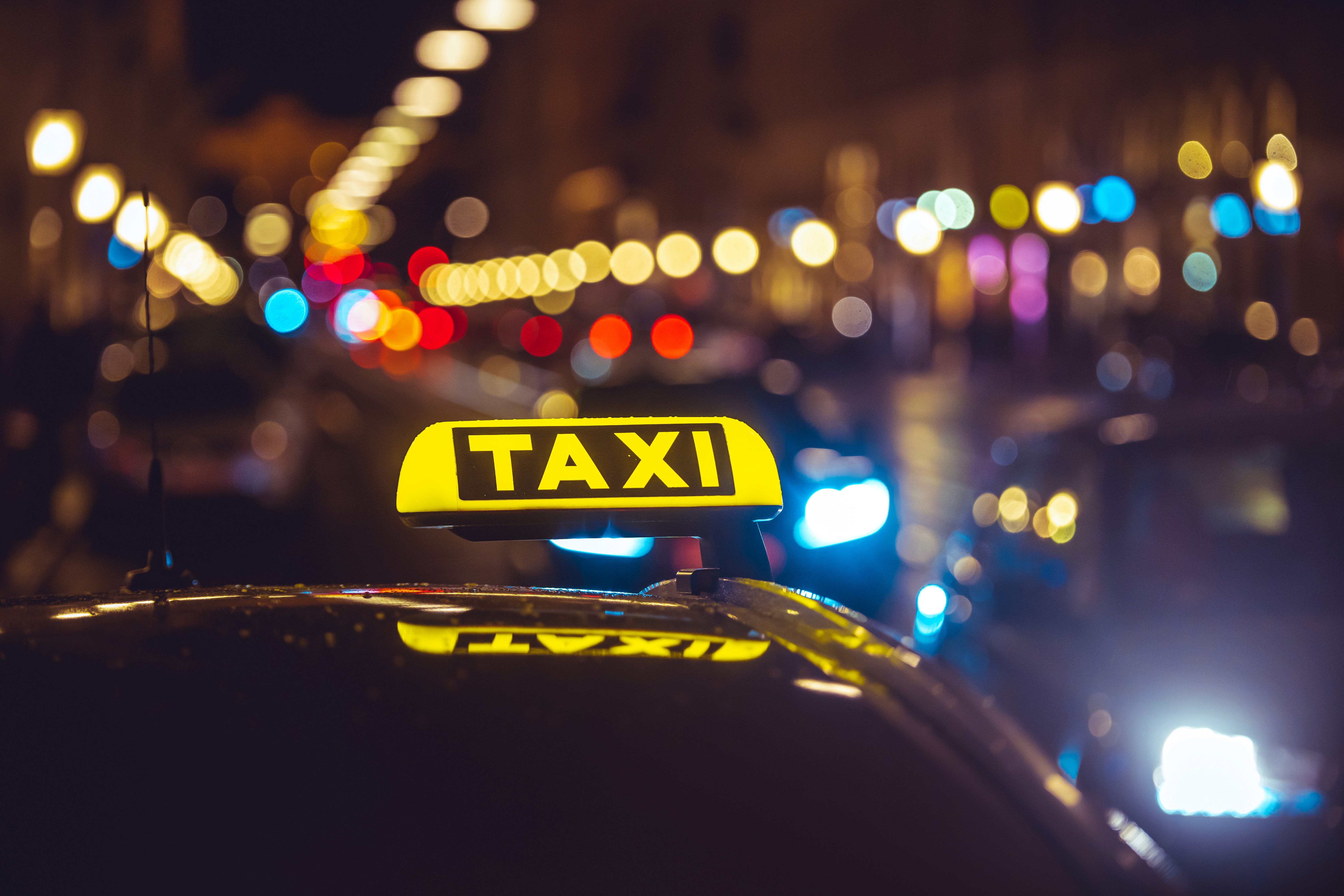
Tbilisi ranks among the safest capitals in Europe, with low crime rates and friendly locals.
Most visitors experience nothing but warm hospitality. That said, a few scams do target tourists - and knowing about them takes five minutes while falling for one can cost you hundreds.
The airport taxi scam is the most common by far. Others, like bar bill cons, are rarer but worth understanding.
Here's what to watch for and how to protect yourself.
Quick Summary:
The airport taxi scam is the most common - always use the Bolt app or pre-book transfers
Bar bill scams exist but are less frequent; avoid venues not listed on Google Maps
Never hand over a second banknote if a driver claims your money is "fake"
Street taxis are risky; app-based rides eliminate most problems
Tbilisi is genuinely safe - these scams are the exception, not the rule
Scams to Watch Out For
1. The Airport Taxi Scam
This is the big one. Aggressive taxi drivers wait inside and outside the arrivals hall, approaching tired tourists and offering rides. The setup goes like this: you ask about the price, and they say it's "by the meter" or "standard rate." They lead you to an unmarked car. The "meter" turns out to be an app on their phone - one they control.
When you arrive at your hotel, the bill is 280-380 GEL instead of the actual fare of 20-35 GEL. Some tourists have reported paying 10x the normal price.
The drivers are persistent and convincing. Some even have accomplices at airport kiosks who confirm that "all taxi prices are the same." They're not.
How to avoid it:
Download the Bolt app before you land and order a ride through it (15-30 GEL to central Tbilisi)
Pre-book an airport transfer through your hotel or a service like GoTrip.ge
Take the airport bus to the city center for just 0.50 GEL (runs during daytime hours)
Never follow a driver who approaches you in the arrivals hall
If someone tells you their car "is a Bolt" but you didn't order it through the app, it's not a Bolt. Walk away.
2. The Bar Bill Scam
This one is less common than it used to be - police have cracked down - but it still happens. The setup usually starts online. Someone matches with you on a dating app or approaches you in a tourist area. After friendly conversation, they suggest going to a "great local bar" they know.
Once inside, drinks are ordered without discussing prices. When the bill arrives, it's 200-500+ GEL for what seemed like a couple of drinks. The menu you're shown has inflated tourist prices, or items are simply made up. When you object, large bouncers appear and make it clear you're paying.
Some victims have reported being threatened or followed to ATMs.
Red flags:
The venue doesn't appear on Google Maps or has no reviews
Someone you just met is very eager to take you to a specific bar
The place feels empty or has an odd vibe
You're not shown prices before ordering
How to avoid it:
Choose the venue yourself - never let a new acquaintance pick
Stick to well-reviewed bars and clubs (check Google Maps ratings first)
If someone from a dating app suggests meeting, pick a public cafe you've researched
Trust your instincts - if something feels off, leave immediately
3. The Fake Currency Trick
You take a taxi, agree on a price, and pay with Georgian Lari at the end. The driver examines your note, frowns, and tells you it's counterfeit. He hands it back and asks for another. You give him a second note - same story, also "fake." Eventually, you hand over Euros or Dollars instead, or a much larger Lari note.
What actually happened? The driver swapped your real note for a fake one he had ready, then pocketed your legitimate cash. Both notes you gave him were fine.
How to avoid it:
Never hand over a second note if the first is rejected
If a driver claims your money is fake, offer to sort it out at the nearest police station
Better yet, pay through the Bolt app and avoid cash transactions entirely
4. Street Taxi Overcharging
Beyond the airport, unlicensed or opportunistic taxi drivers operate throughout Tbilisi. Common tactics include:
Claiming the meter is broken and quoting a high flat rate
Taking a longer route to run up the fare
Starting the "meter" before you get in
Refusing to use any meter and making up a price at the end
Taxis in Tbilisi don't have standardized meters like in some cities, which creates opportunities for overcharging.
How to avoid it:
Use Bolt for every ride - the price is set before you get in, and drivers are rated
If you must use a street taxi, agree on the exact price before entering the car
Ask your hotel staff what a fair price should be for your destination
5. Currency Exchange Rip-offs
Street-side money changers and sketchy exchange booths sometimes give tourists counterfeit notes, shortchange them, or use rigged calculators to show favorable rates that don't match what you actually receive.
How to avoid it:
Exchange money at banks or well-established exchange offices
Count your money before leaving the counter
Avoid anyone offering to exchange money on the street
Use ATMs at major banks (TBC, Bank of Georgia) for the best rates
6. Child Pickpocket Groups
This one has been reported near Galleria Mall and other tourist areas. Groups of 8-12 children surround a tourist, hugging or crowding them while accomplices go through pockets and bags. It happens fast - within seconds - and victims often don't realize what's happened until the kids scatter.
How to avoid it:
Keep valuables in a zipped inner pocket or money belt
Be alert if a group of children approaches you
Don't engage - move away quickly and firmly
Avoid stopping in isolated corners near tourist hotspots
7. Fake "Tourist Tax" at Accommodations
Some unscrupulous guesthouses or apartment rentals invent a "tourist tax" or other made-up fees when you check out. Georgia doesn't have a standardized tourist tax, so any unexpected charge should be questioned.
How to avoid it:
Confirm the total price (including all fees) before booking
Get a written breakdown of charges at check-in
Book through reputable platforms with clear pricing
If surprised by a fee, ask for documentation
8. Unofficial Tour Guides and Touts
In Old Tbilisi, you might be approached by people offering tours, transportation, or services at "special prices." Some are legitimate; others charge inflated rates or steer you to shops and restaurants where they earn commissions.
How to avoid it:
Book tours through established agencies or your accommodation
Research standard prices for day trips before negotiating
Be wary of anyone overly persistent or who approaches you cold
9. Restaurant Menu Tricks
A few restaurants - mostly in heavy tourist zones - use tactics like showing tourists a different (pricier) menu, adding items you didn't order to the bill, or being vague about prices for specials and drinks.
How to avoid it:
Check the menu for prices before ordering
Ask about prices for anything not listed
Review your bill item by item before paying
Stick to restaurants with solid Google or TripAdvisor reviews
General Safety Tips
Tbilisi is a safe city, and most tourists never encounter any problems. These scams exist but they're not the norm - they're isolated incidents that make headlines precisely because they're unusual. A few simple habits will keep you protected:
Always use Bolt for taxis. This single habit eliminates the most common scam entirely. Prices are fixed, drivers are rated, and you have a record of every trip.
Check Google Maps before entering any bar or club. Scam venues often have no online presence or very few reviews. If it's not on the map, don't go in.
Ignore anyone who approaches you offering services. Legitimate businesses don't need to hustle tourists on the street. This applies to taxi drivers, tour guides, and people inviting you to bars.
Keep valuables secure in crowded areas. Basic awareness - zipped pockets, bags worn in front - prevents opportunistic theft.
Trust your gut. If a situation feels wrong, leave. Tbilisi has thousands of safe, welcoming establishments. There's no reason to stay somewhere uncomfortable.
FAQ
Is Tbilisi safe for tourists?
Yes. Tbilisi consistently ranks as one of the safest capitals in Europe. Violent crime is rare, and most visitors experience no problems. The scams described here are exceptions, not the rule. Basic awareness and using ride-hailing apps will keep you well-protected during your visit.
What is the most common scam in Tbilisi?
The airport taxi scam is by far the most frequent. Drivers approach tourists in the arrivals hall, claim to charge "by the meter," and then present bills of 280-380 GEL instead of the actual 20-35 GEL fare. Always use the Bolt app or pre-book your airport transfer to avoid this.
Are taxis safe in Tbilisi?
Taxis booked through the Bolt app are safe, reliable, and affordable. Street taxis - especially those that approach you at the airport or tourist areas - carry a higher risk of overcharging. Stick to app-based rides and you'll have no issues.
How do I get from Tbilisi airport to the city center safely?
The safest options are using the Bolt app (15-30 GEL), pre-booking a transfer through your hotel, or taking the airport bus during daytime hours (0.50 GEL). Never follow a taxi driver who approaches you inside the terminal or outside arrivals.
Is the bar bill scam still happening in Tbilisi?
It's less common than it was a few years ago thanks to police crackdowns, but isolated incidents still occur. The setup usually involves someone you meet online inviting you to a specific bar. Protect yourself by always choosing the venue yourself and only visiting places with Google Maps reviews.
What should I do if I get scammed in Tbilisi?
Report it to the police. Georgia's tourist police can be reached at 112. While recovering money is difficult, filing a report helps authorities track scam operations. Keep any evidence - photos of license plates, receipts, or screenshots of conversations.
Are pickpockets common in Tbilisi?
Pickpocketing is less common in Tbilisi than in most European capitals. However, incidents involving groups of children have been reported near Galleria Mall and other tourist spots. Keep valuables secure and stay alert in crowded areas.
Is it safe to walk around Tbilisi at night?
Most areas of Tbilisi are safe to walk at night, including popular neighborhoods like Vake, Vera, and Old Town. Use common sense - stick to well-lit streets, avoid deserted areas, and use Bolt rather than walking alone late at night if you're far from your accommodation.
Should I exchange money at Tbilisi airport?
Airport exchange rates are typically worse than in the city, but they're not scams. For convenience, exchanging a small amount at the airport is fine. For better rates, use ATMs at major banks (TBC or Bank of Georgia) or exchange offices in central Tbilisi. Avoid street money changers entirely.
How can I tell if a bar or club is a scam venue?
Check Google Maps before entering. Scam venues often have no listing, no reviews, or recent reviews warning about inflated bills. If someone you just met is insistent on taking you to a specific place, that's a red flag. Stick to establishments with verified reviews and visible pricing.
Stay Smart, Enjoy Tbilisi
These scams shouldn't scare you away from Tbilisi - they should prepare you. The vast majority of Georgians are genuinely hospitable, and most tourists leave with nothing but great memories. Download Bolt before you land, check reviews before you drink, and you'll sidestep the handful of bad actors looking to take advantage. The rest of your trip? Pure enjoyment.