Things to Do
15 Free Things to Do in Tbilisi: Budget-Friendly Adventures
Explore Tbilisi without spending a lari. From Narikala Fortress views to hidden courtyards in Sololaki, here are 15 free things to do in Georgia's capital.

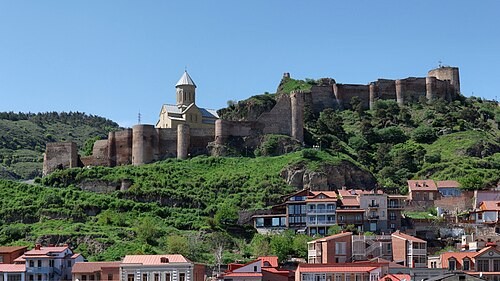
Tbilisi rewards budget travelers like few other European capitals can.
The Georgian capital sits in a dramatic river valley, where centuries of Persian, Byzantine, Ottoman, and Soviet influence have left behind winding streets, crumbling mansions, and churches older than most countries.
The best part?
Many of Tbilisi's most memorable experiences cost absolutely nothing.
Whether you want sweeping fortress views, Soviet-era street art, or just a quiet courtyard to sit in, this list covers 15 free things to do in Tbilisi that capture the city's raw, layered character.
15 Best Free Things to Do in Tbilisi
1. Walk Through Old Tbilisi
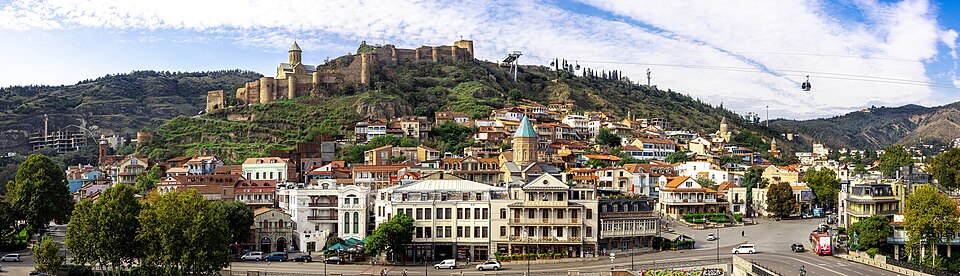
Old Tbilisi is where the city reveals itself best - not through any single landmark, but through the accumulation of details. Wander Abanotubani with its domed bathhouses, climb Betlemi Street past crooked iron balconies, and duck into inner courtyards where grapevines hang overhead and cats patrol the stairs. There is no correct route here, and that is the point entirely. The area stretches along both sides of the Mtkvari River and getting lost among the cobblestone lanes is half the experience.
I spent my first morning in Tbilisi doing exactly this - no map, no agenda - and stumbled upon a tone bakery where an old man was slapping fresh shotis puri onto the clay oven walls. That kind of discovery does not happen on a guided tour.
2. Watch the City from Narikala Fortress
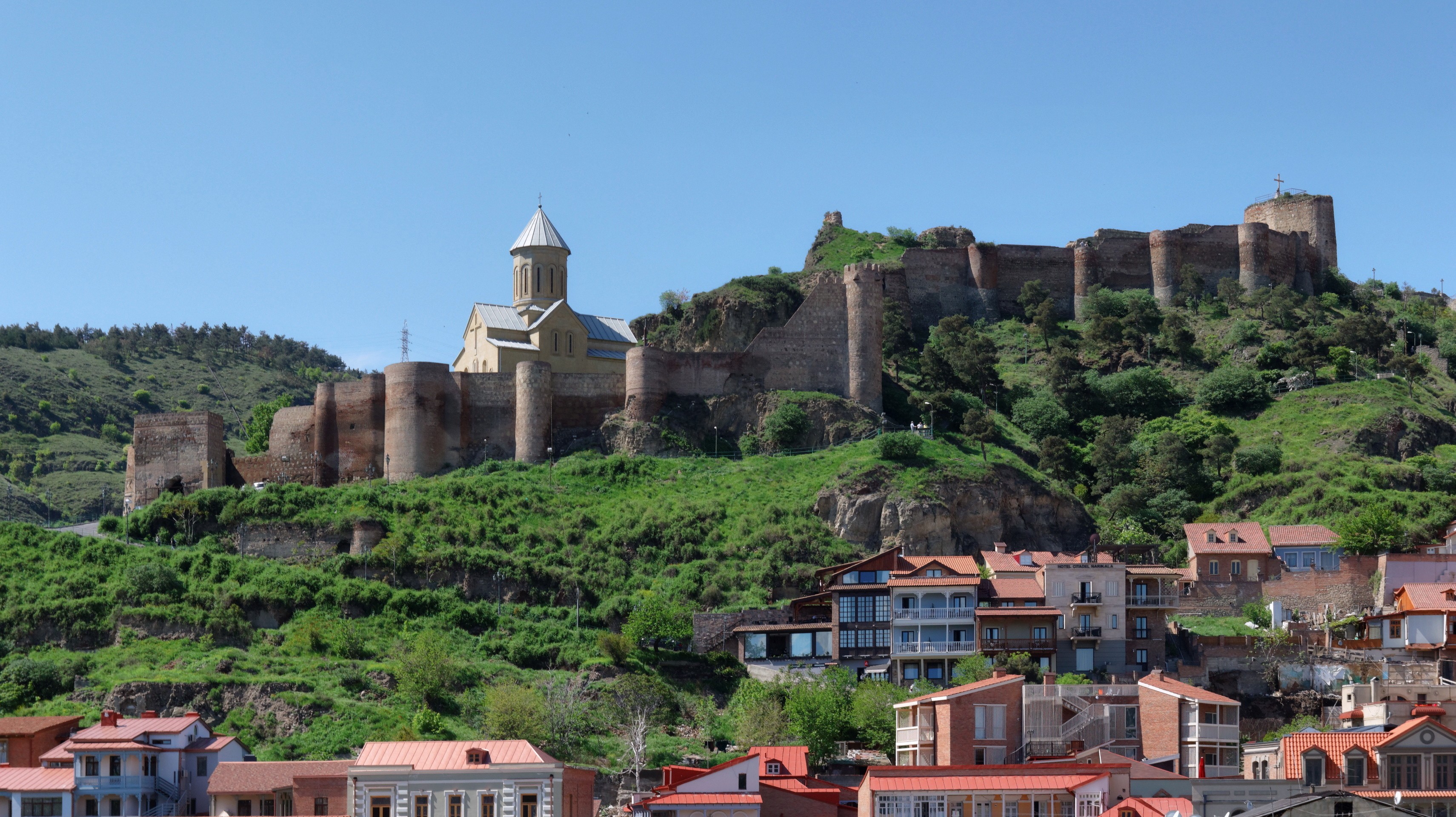
Narikala Fortress has watched over Tbilisi since the 4th century, making it one of the oldest landmarks in the city. You can take the cable car up from Rike Park for just a couple of lari, or climb the stairs from Betlemi Street for free. Either way, the panoramic views from the fortress walls are among the best in the city - especially at sunset when the old town glows amber and the Mtkvari River catches the last light.
Note: As of early 2025, the fortress interior is closed for renovation, with reopening expected later in the year. However, you can still access the surrounding paths, the Mother of Georgia statue, and the viewpoints that make this spot worth visiting.
3. Cross the Peace Bridge
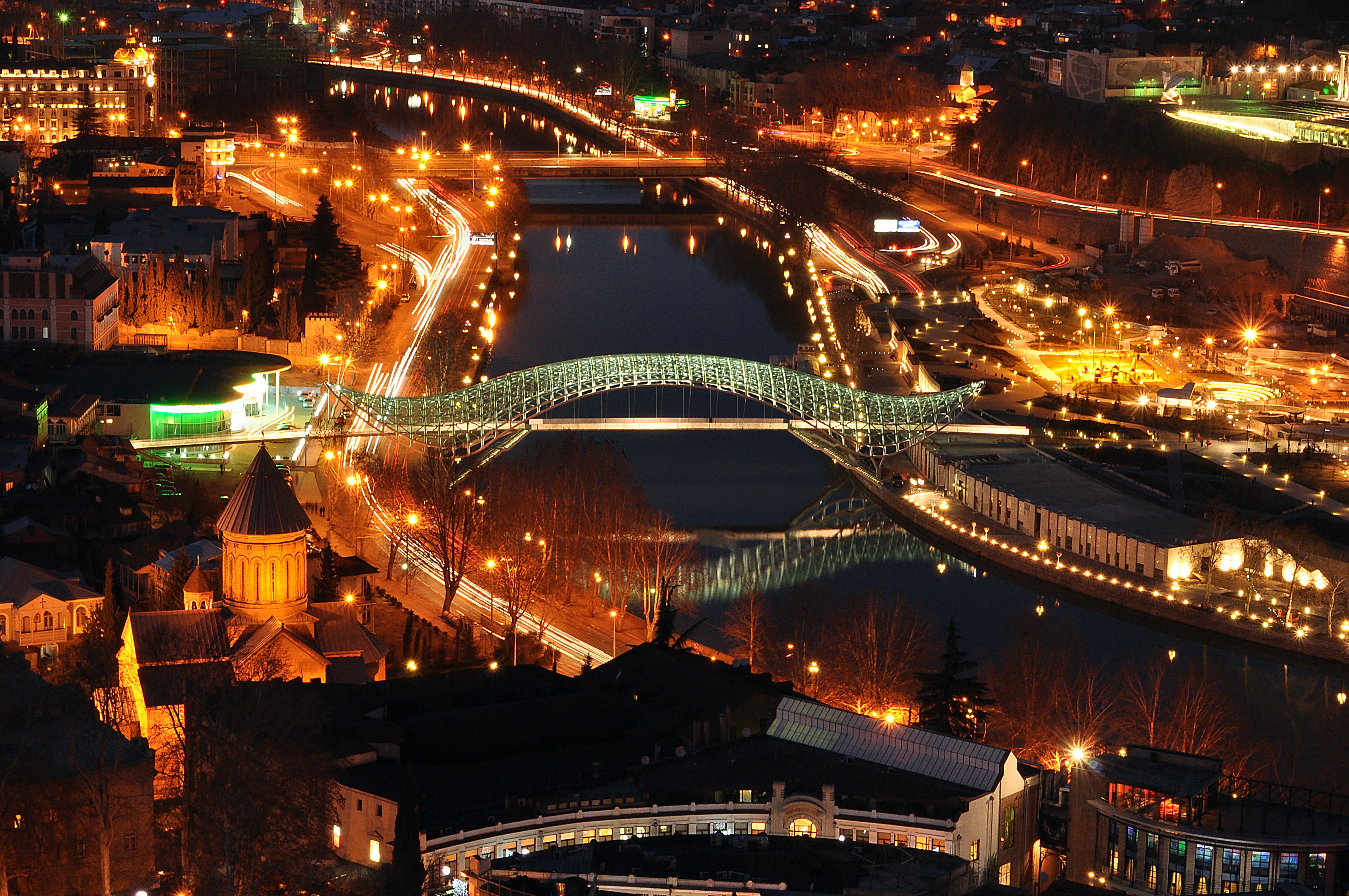
Locals have strong opinions about the Bridge of Peace - the glass-and-steel pedestrian bridge that arcs over the Mtkvari River like a curved jellyfish. Some love it, some think it clashes with the old city. Either way, it has become one of Tbilisi's most recognizable landmarks since opening in 2010. Walk across at night when the LED lights glow in the colors of the Georgian flag, and you will understand why people keep photographing it.
The bridge connects the old town to Rike Park, making it a practical crossing as well as an architectural statement.
4. Chill in Rike Park
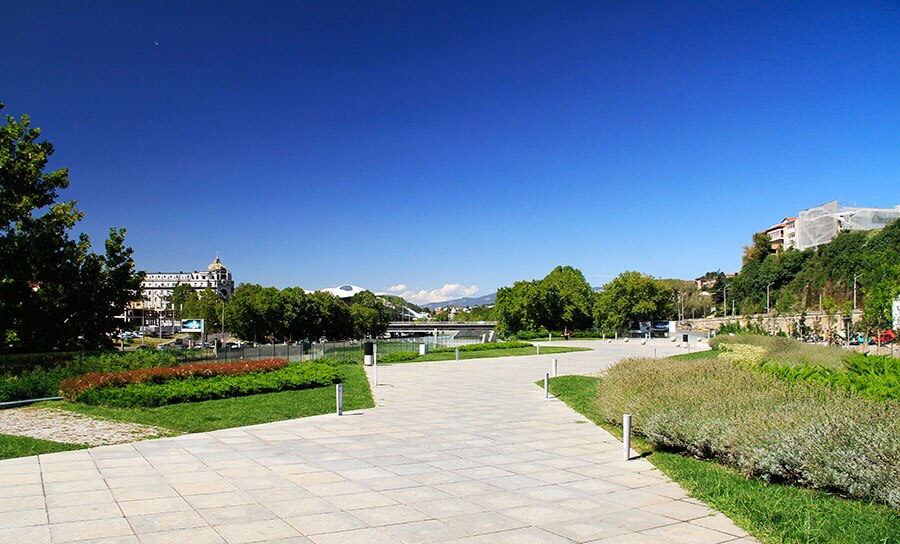
After crossing the Peace Bridge, Rike Park offers a welcome stretch of open green space along the riverbank. Street performers sometimes set up here, families picnic on the grass, and the views back toward the old town are excellent. It is also where the cable car to Narikala departs, making it a natural reset point after walking the narrow streets of Old Tbilisi.
The park underwent major redevelopment in 2010 and now includes a concert hall and the giant sculpture-covered piano building that houses the Music and Drama Theatre.
5. Explore the Tbilisi Botanical Garden (Free Sections)
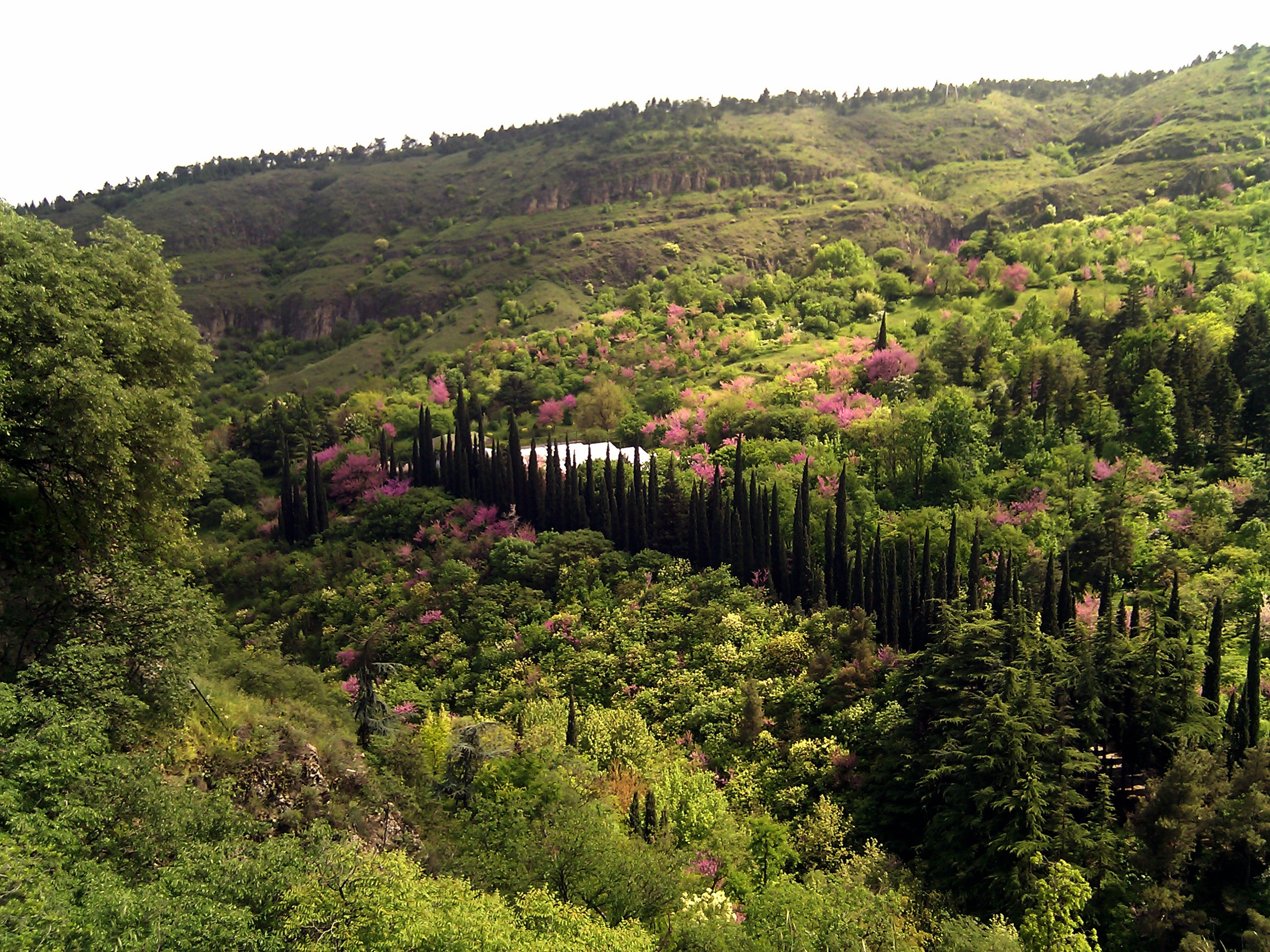
The Tbilisi Botanical Garden dates back to the early 17th century when it served as a royal garden. Today, it covers nearly 400 acres of trails winding through giant sequoia trees, waterfalls, and surprisingly wild terrain for something in the middle of a capital city. Large sections near the Old Town entrances are accessible without paying the full admission fee - you can wander the shaded paths and even reach one of the waterfalls.
The garden feels less manicured than most European botanical gardens, which is part of its appeal. Locals use it as an escape from the summer heat.
6. Walk Rustaveli Avenue End to End
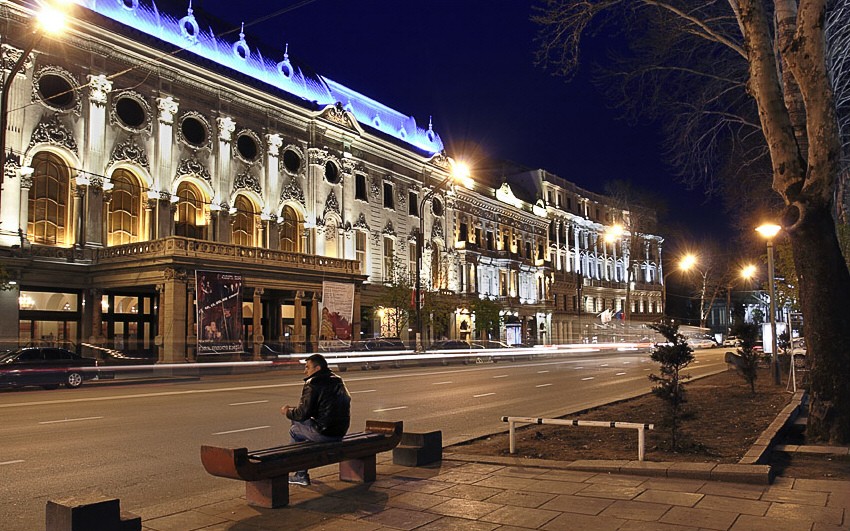
Rustaveli Avenue functions as Tbilisi's central spine - a grand boulevard lined with theaters, bookshops, government buildings, and centuries of architectural ambition. Start at Freedom Square with its golden St. George statue and walk northwest past the Opera House, Parliament, and the rows of plane trees that shade the sidewalks.
This is where protests happen, where locals promenade in the evenings, and where you can feel the pulse of Georgian civic life. The architecture shifts from Art Nouveau to Soviet Neoclassical as you walk, telling the story of the city's turbulent 20th century.
7. Wander the Courtyards of Sololaki
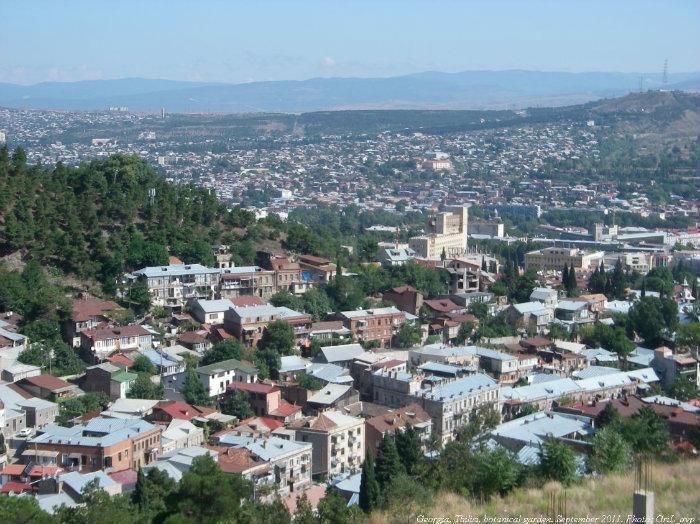
Sololaki is Old Tbilisi's quieter, more residential neighbor - a hillside neighborhood of hidden staircases, abandoned mansions, ornate iron balconies, and approximately one million cats. The courtyards here are the real attraction: pass through an unmarked doorway and you might find yourself in a vertical village of apartments stacked around a central stairwell, laundry drying overhead, neighbors chatting from balconies.
Some buildings are being restored; others are slowly crumbling. That tension between decay and preservation is what makes Sololaki feel so alive.
8. Riverside Walk Along the Mtkvari River
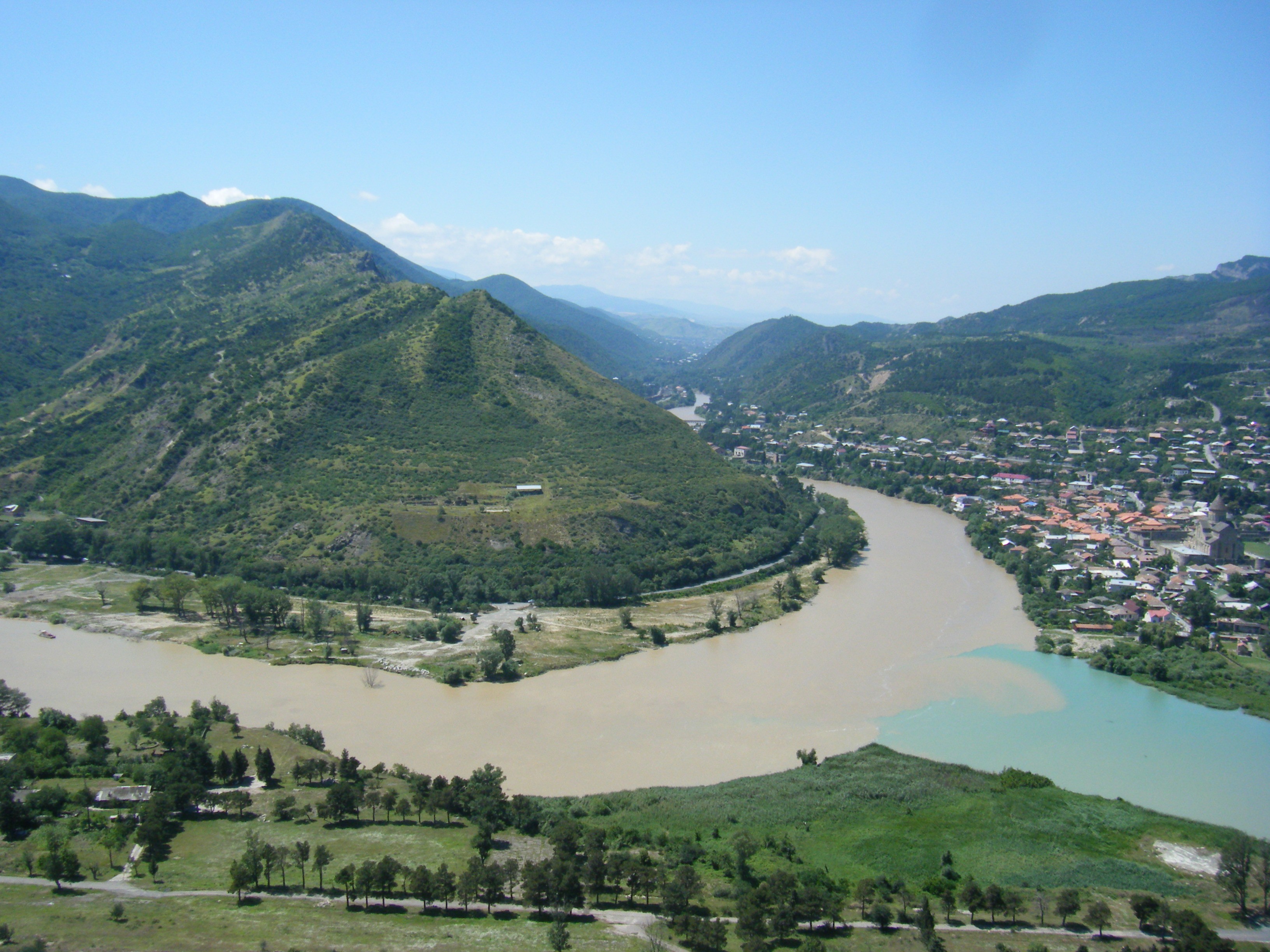
The Mtkvari River (also called the Kura) runs through the heart of Tbilisi, and walking its banks offers a different perspective on how the city layers itself. Start near Metekhi Church, cross to Rike Park, and continue along the embankments to see the city from water level. The cliffs of Narikala rise on one side, Soviet apartment blocks on the other, and the Peace Bridge frames it all.
This is a simple, underrated walk - no entrance fees, no crowds, just the city unfolding along the water.
9. Visit Sameba Cathedral Grounds
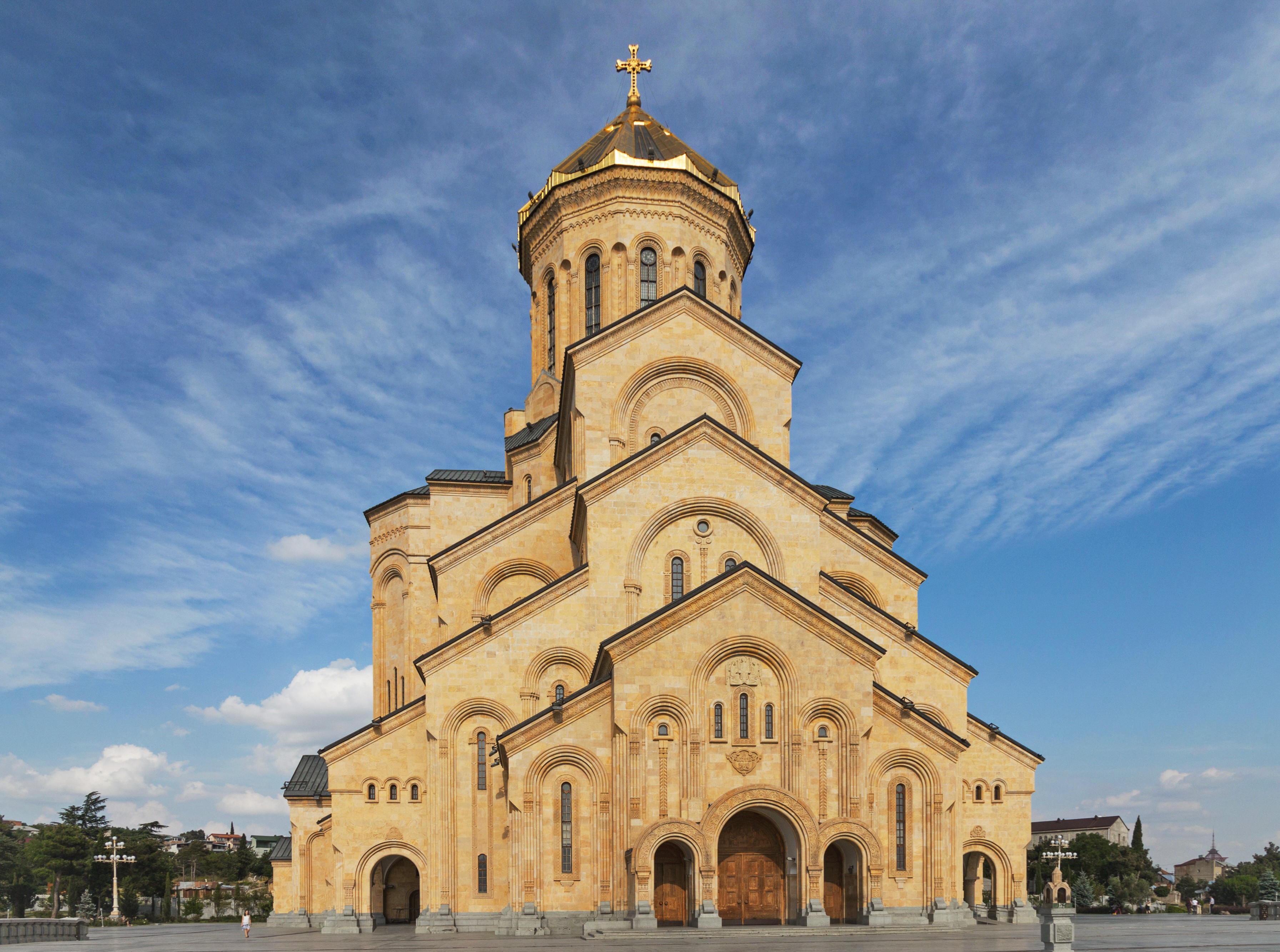
The Holy Trinity Cathedral of Tbilisi - known locally as Sameba - is the largest church in the entire Caucasus region. Completed in 2004, it towers over the Avlabari district with its golden domes visible from almost anywhere in the city. You do not need to be religious to appreciate the scale and the silence here.
The grounds surrounding the cathedral are expansive, with gardens, paths, and viewpoints looking back toward Old Tbilisi. Entry is free, though visitors should dress modestly with covered shoulders and knees. Scarves are available to borrow at the entrance.
10. Walk the Backstreets of Chugureti
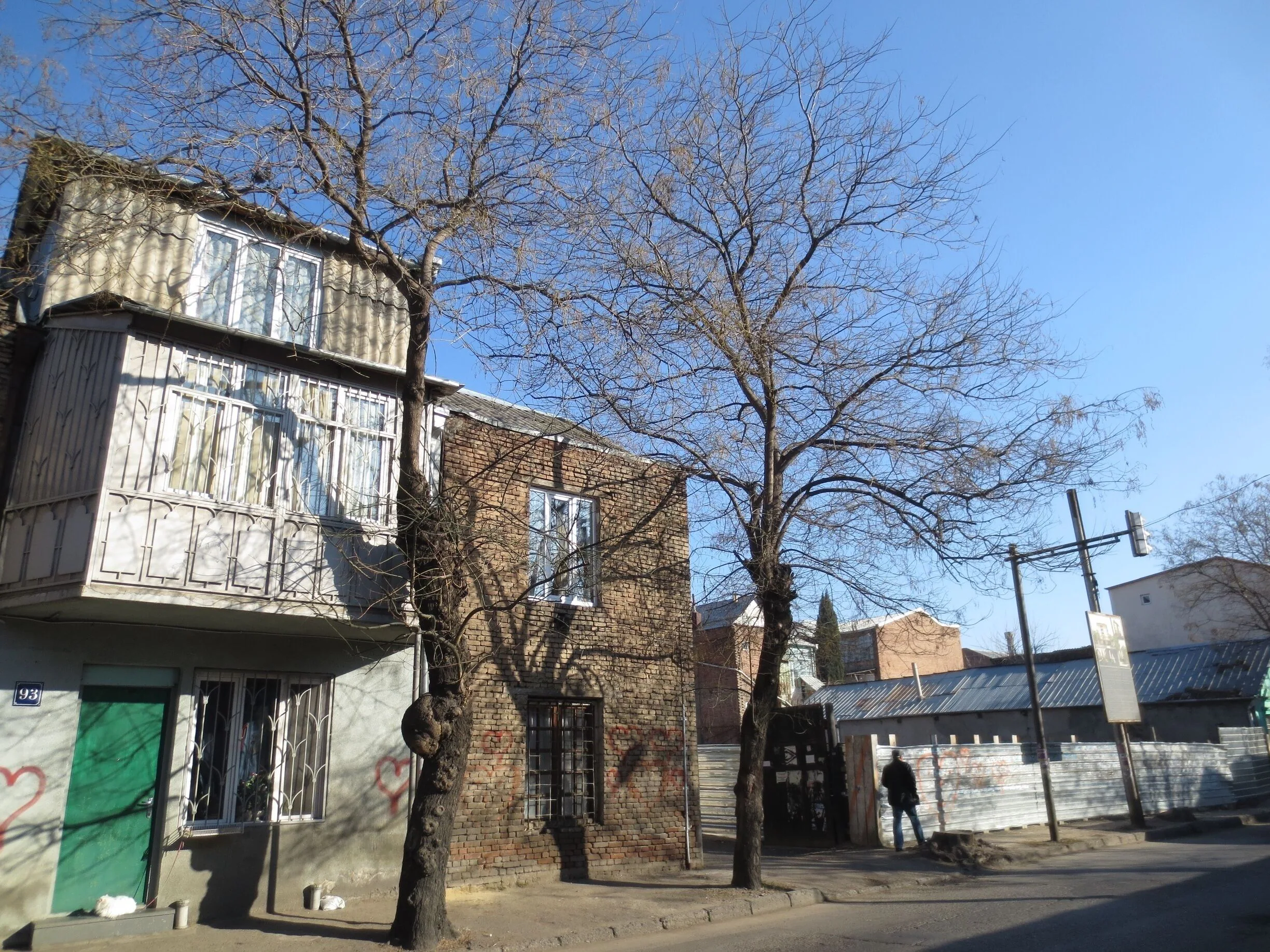
Chugureti - sometimes called Marjanishvili or Plekhanovi - sits just across the river from Old Tbilisi and offers a grittier, more lived-in alternative to the polished tourist areas. Old factories have been converted into cafes and creative spaces, street art covers the walls, and the neighborhood still feels like it belongs to the people who actually live there.
This is the Tbilisi that existed before the tourism boom, and it is worth a slow afternoon of wandering to experience it.
11. Hunt for Street Art Around Fabrika
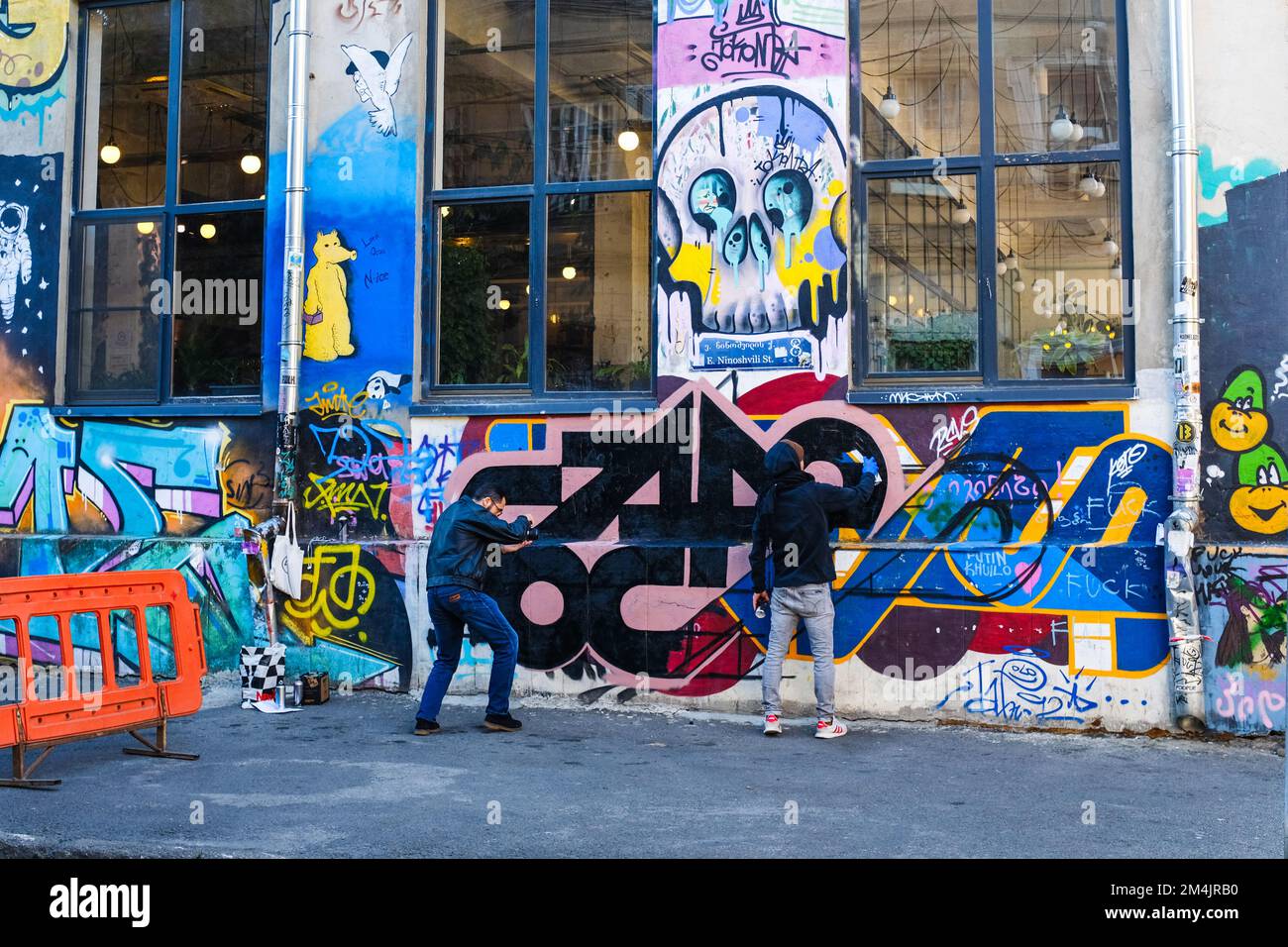
Fabrika - a former Soviet sewing factory turned hostel, coworking space, and creative hub - anchors one of Tbilisi's most mural-covered neighborhoods. The building itself is worth exploring even if you are not staying there, with its industrial courtyards transformed into galleries of local and international street art.
Look for works by LAMB (Mishiko Sulakauri), one of Tbilisi's most prolific street artists whose comical, subversive murals pop up across the city. The Baratashvili Bridge underpass nearby is another hotspot for murals.
12. Browse the Dry Bridge Flea Market
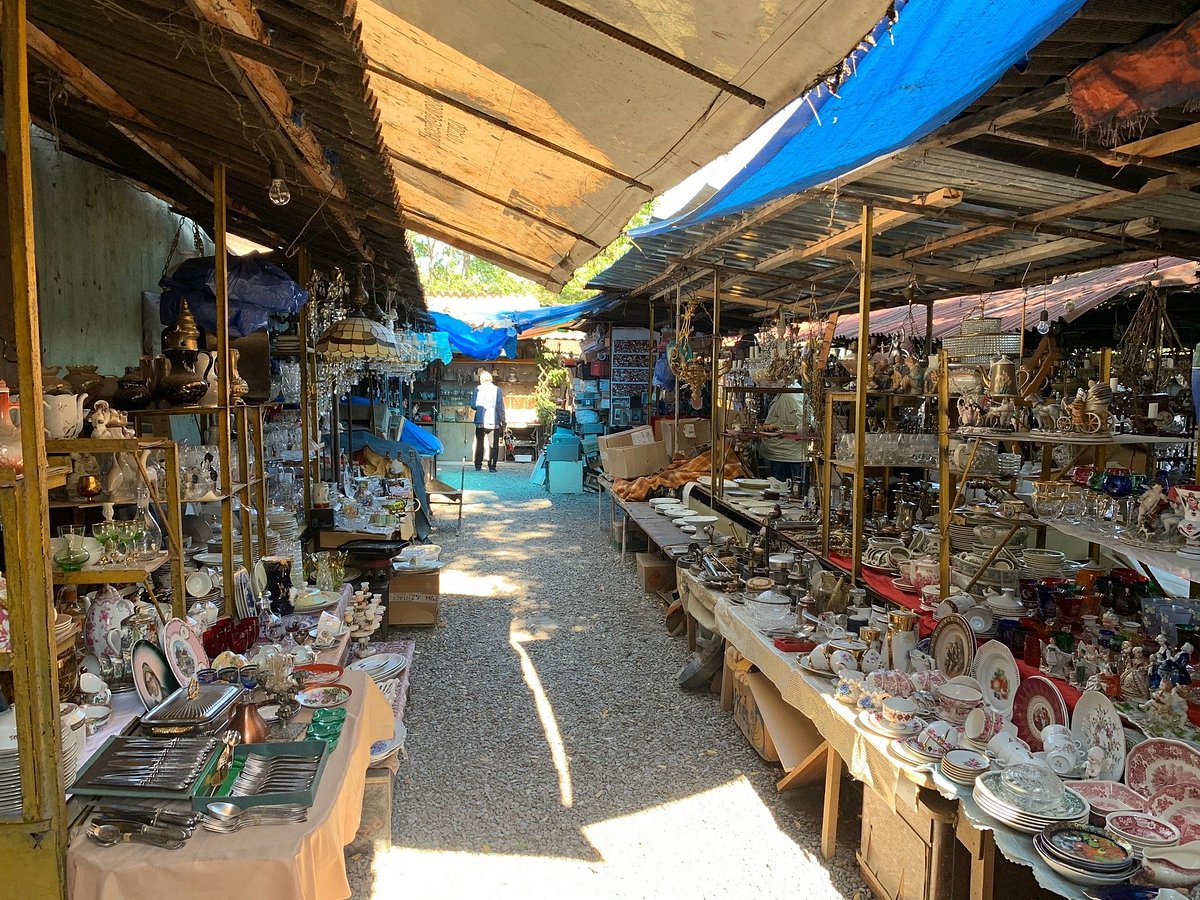
The Dry Bridge Market is organized chaos at its finest - a sprawling open-air flea market where Soviet relics, antique coins, old paintings, war medals, vintage cameras, and pure junk spread across tables and blankets. You do not need to buy anything to enjoy the experience. Just walking through feels like browsing a museum of Georgian history that nobody bothered to curate.
The market operates daily but weekends bring more vendors. Come with cash if you do want to haggle for something - bargaining is expected.
13. Watch the City from Mtatsminda Viewpoints
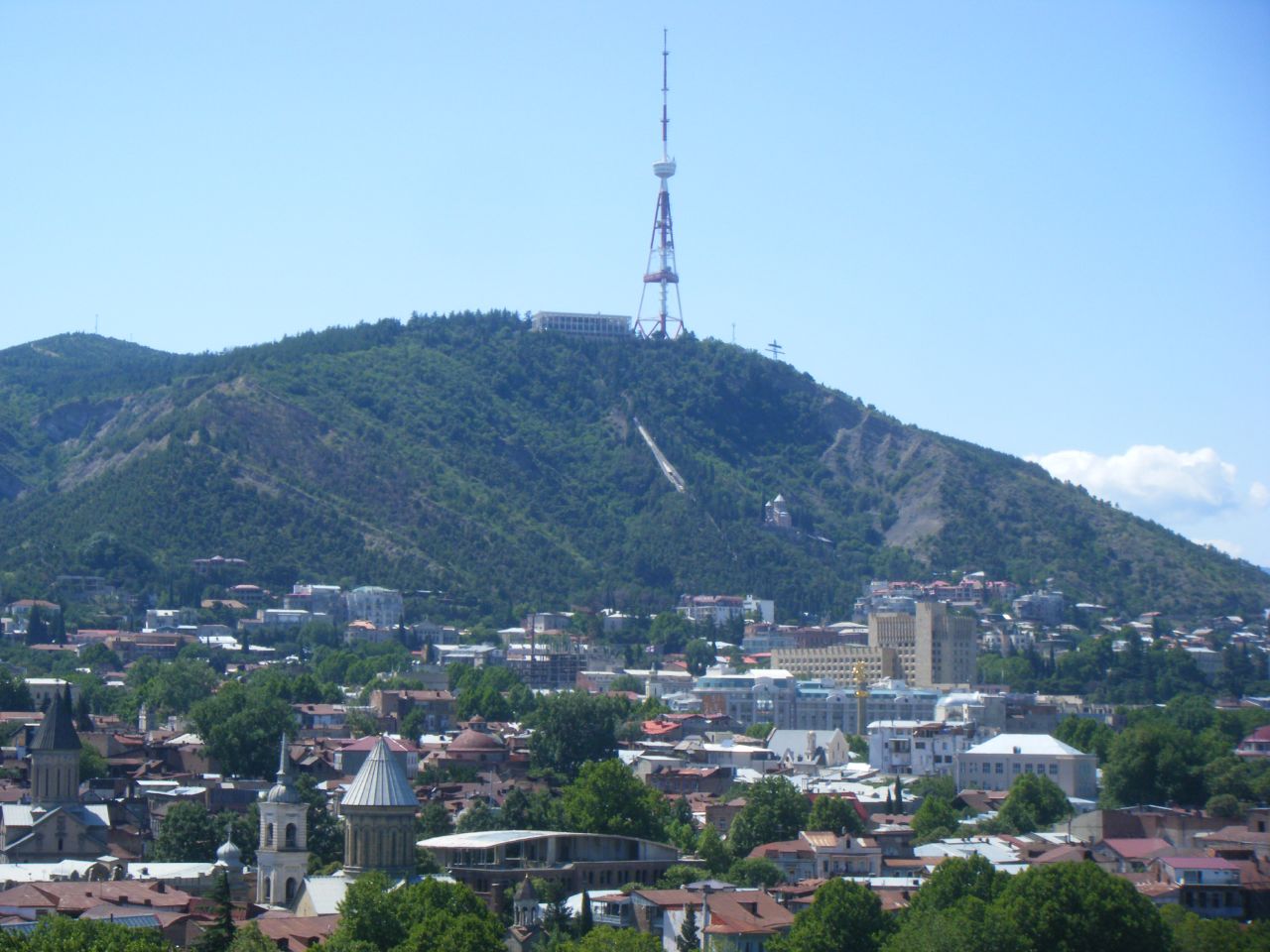
Mtatsminda Mountain rises above central Tbilisi, and while the amusement park at the summit charges admission, the viewpoints and walking paths along the mountain are free. You can hike up or take the recently reopened cable car from Rustaveli Avenue - the cable car costs a small fee, but the views from any point along the ridge cost nothing.
The Pantheon of Writers and Public Figures, where many famous Georgians are buried, sits partway up the mountain and offers its own quiet viewpoint over the city.
14. Step Inside Anchiskhati Basilica
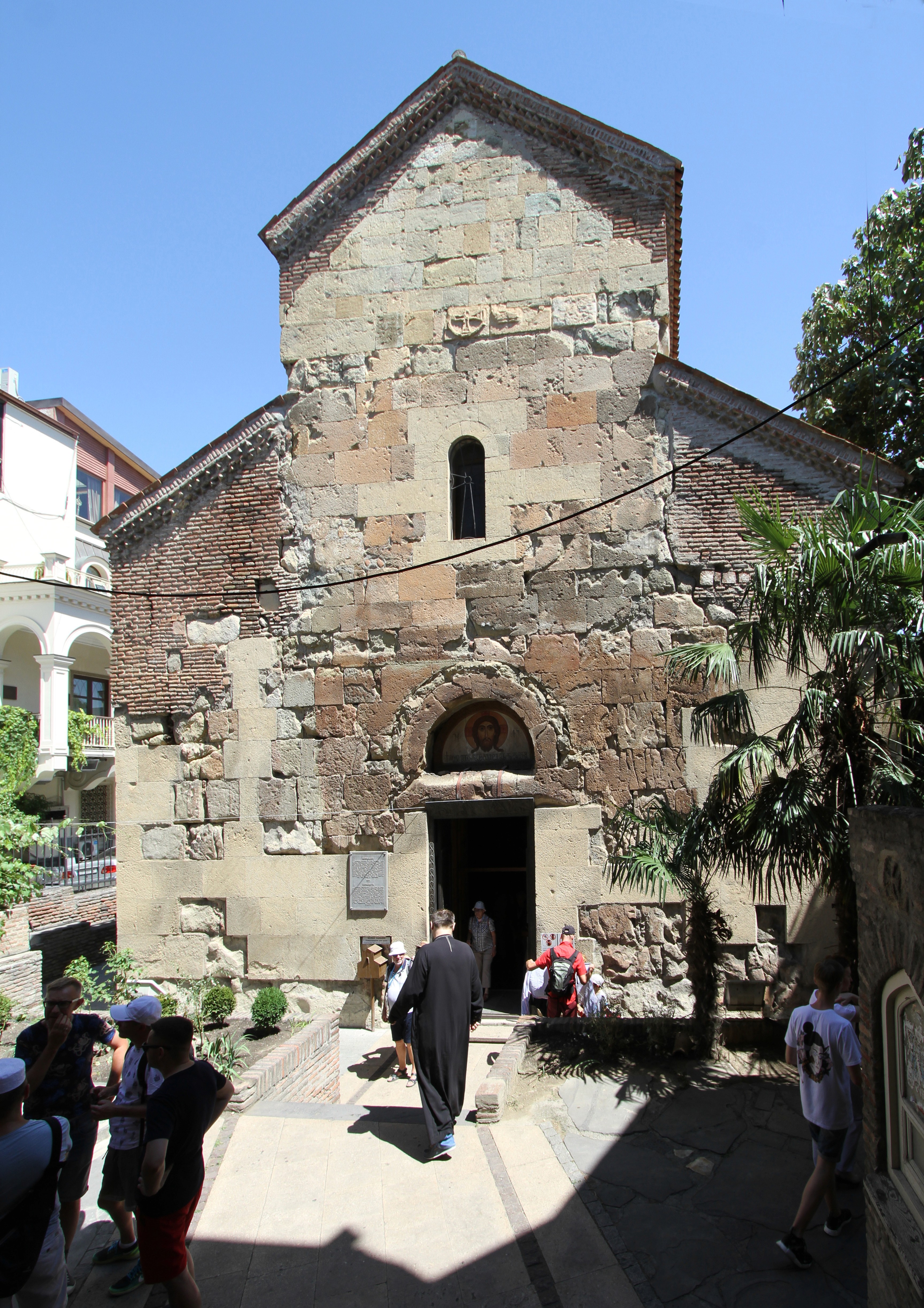
Anchiskhati is one of the oldest surviving churches in Tbilisi, with parts of the structure dating back to the 6th century. Unlike the grand scale of Sameba Cathedral, this basilica is small, dim, and intimate - the kind of place where you feel the weight of centuries in the worn stone floors.
There is no spectacle here, just quiet devotion and faded frescoes. Entry is free, and the church still holds regular services.
15. Sit in a Random Neighborhood Park
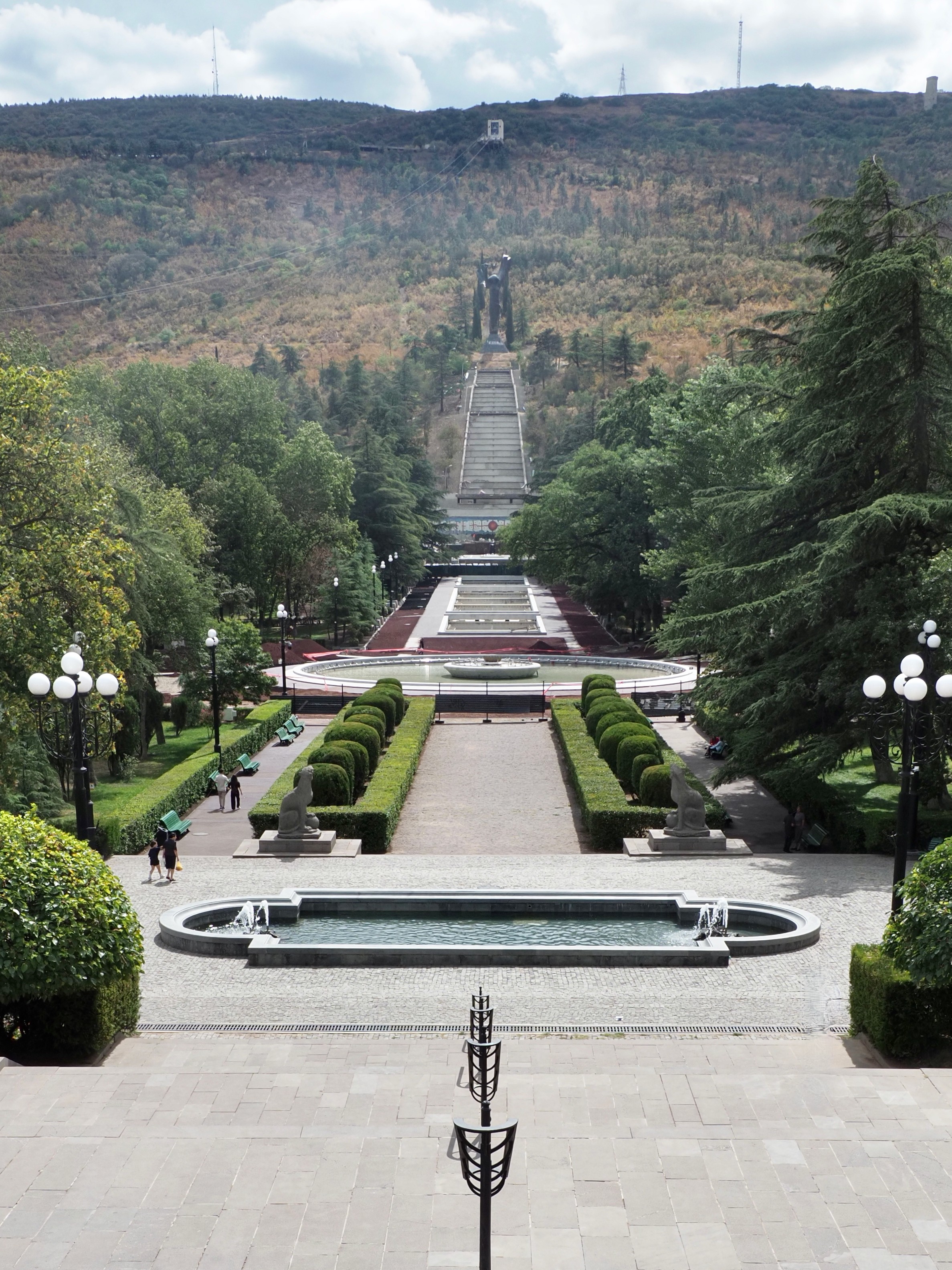
Sometimes the best free activity in any city is simply existing in it. Tbilisi has dozens of small neighborhood parks - patches of green with benches, chess players, and grandmothers keeping watch over playing children. Pick one near where you are staying, buy a khachapuri from a nearby bakery, and just sit.
No famous name, no landmark status, no tourist crowds. That is real Tbilisi.
Bonus: Visit the Chronicles of Georgia
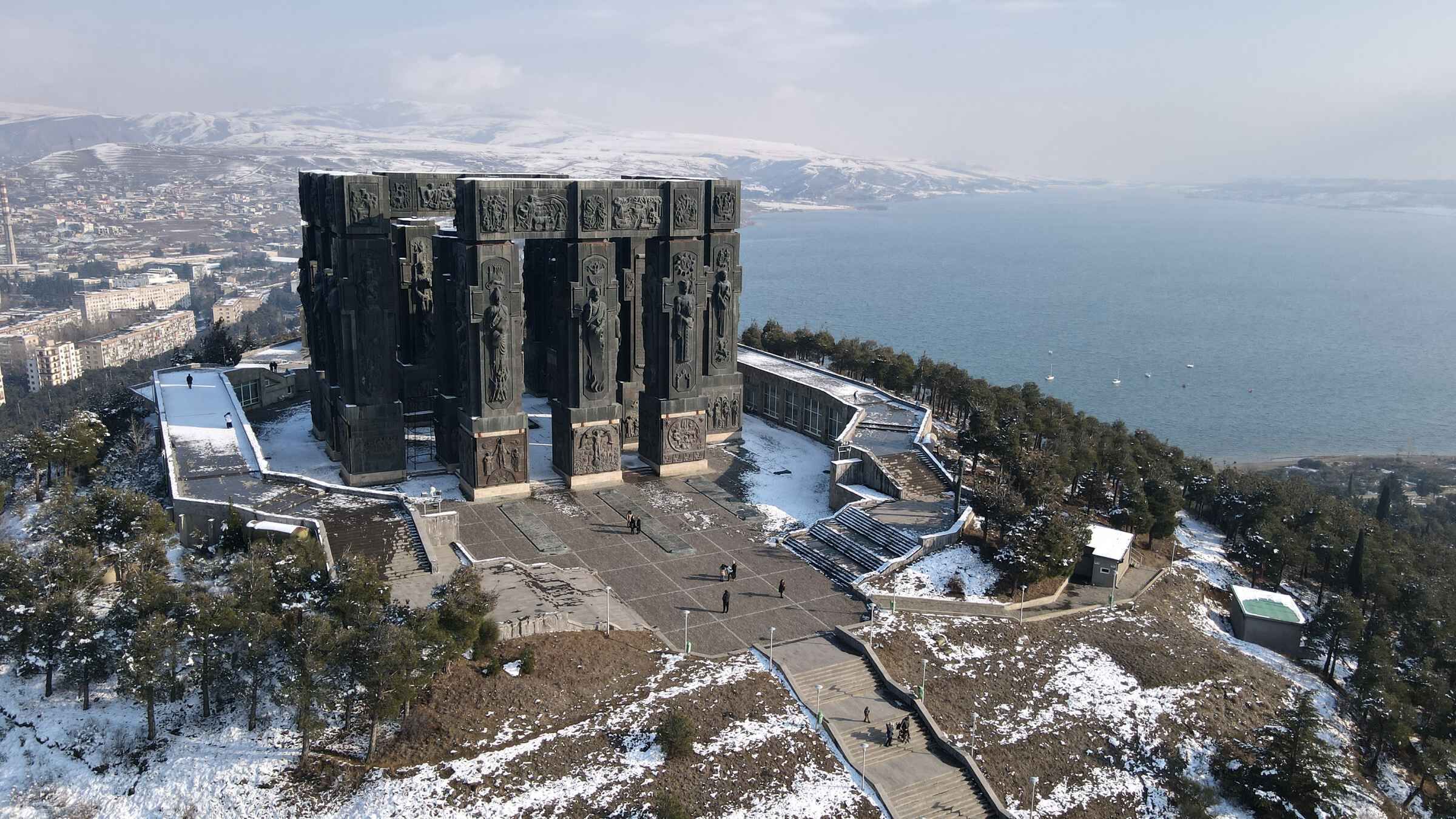
A bit outside the city center but absolutely worth the trip, the Chronicles of Georgia is a massive monument featuring 16 bronze-covered pillars reaching 35 meters into the sky. Created by sculptor Zurab Tsereteli starting in 1985, the monument depicts 3,000 years of Georgian history and Christianity through detailed reliefs of kings, queens, heroes, and biblical scenes.
The site is completely free to visit and open 24 hours a day. The views over the Tbilisi Sea and surrounding suburbs are spectacular, especially in the late afternoon light. Take a Bolt taxi from the center for around 15-20 GEL, or ride bus 360 and walk the final stretch uphill.
Frequently Asked Questions
Is Tbilisi cheap to visit?
Tbilisi offers good value compared to most European capitals, though prices have risen in recent years. Budget travelers can manage on around 80-120 GEL (roughly 30-45 USD) per day covering accommodation in hostel dorms, local meals, and public transport. Many of the city's best experiences - walking the old town, visiting churches, enjoying viewpoints - cost nothing at all.
What is the best time to visit Tbilisi?
Late spring (May to early June) and autumn (September to October) offer the most pleasant weather with temperatures around 20-28°C. Summer can be uncomfortably hot with highs exceeding 35°C, while winters are cold but atmospheric. Avoid Orthodox Easter if you prefer smaller crowds.
Is Tbilisi safe for tourists?
Tbilisi is considered very safe for tourists, with violent crime being rare. The city feels secure even at night in most areas. Petty crime exists but is uncommon - use normal precautions with your belongings and always book taxis through apps like Bolt rather than hailing them on the street.
How many days do you need in Tbilisi?
Three to four days allows you to explore the main neighborhoods, visit key viewpoints, and take a day trip to places like Mtskheta or the wine region. If you want to go deeper into the backstreets and surrounding areas, a week keeps you busy without feeling rushed.
Do I need to speak Georgian or Russian in Tbilisi?
English is widely spoken in tourist areas, restaurants, and by younger Georgians. Outside the city center, communication can be more challenging, but translation apps help. Learning a few Georgian phrases like "madloba" (thank you) goes a long way with locals.
What should I wear when visiting churches in Tbilisi?
Churches in Tbilisi require modest dress - covered shoulders and knees for everyone, and women should cover their heads. Most churches provide scarves to borrow at the entrance if you forget. Dress codes are taken seriously and you may be turned away otherwise.
Is Tbilisi walkable?
The old town and central neighborhoods are very walkable, though the terrain is hilly with uneven cobblestone streets in places. Comfortable shoes are essential. The metro costs just 1 GEL per ride with 90 minutes of free transfers, making it easy to cover longer distances cheaply.
Can I drink tap water in Tbilisi?
Tap water in Tbilisi is generally safe to drink, though some travelers prefer bottled water while adjusting to local conditions. Bottled water is inexpensive and widely available if you prefer it.
What is the best way to get around Tbilisi?
For most tourist activities, walking works well within the old town and central areas. The metro runs two lines and costs 1 GEL per trip. For longer distances or late nights, use the Bolt app for affordable and reliable taxis - avoid hailing cabs on the street.
Are there free walking tours in Tbilisi?
Yes, several companies offer tip-based free walking tours covering the old town and major landmarks. GuruWalk and Tbilisi Free Walking Tours both run regular departures. These tours typically last 2-3 hours and provide excellent introductions to the city's history and layout.
Conclusion
Tbilisi does not demand a big budget to reveal its best self. The crooked balconies of Old Tbilisi, the sweeping views from Narikala, the quiet courtyards of Sololaki - these experiences cost nothing but time and curiosity. Add in free-entry churches, sprawling flea markets, and neighborhood parks where locals actually spend their evenings, and you have a city that rewards wandering more than spending. Bring comfortable shoes, leave the itinerary loose, and let Tbilisi unfold at its own pace.