Бизнес и налоги
Растаможка для бизнеса в Грузии: полный гайд
Импортируете в Грузию? Проходите таможню быстрее и избегайте штрафов: рассказываем про пошлины 0/5/12%, НДС 18%, 30-дневный срок подачи декларации, необходимые документы и брокеров.

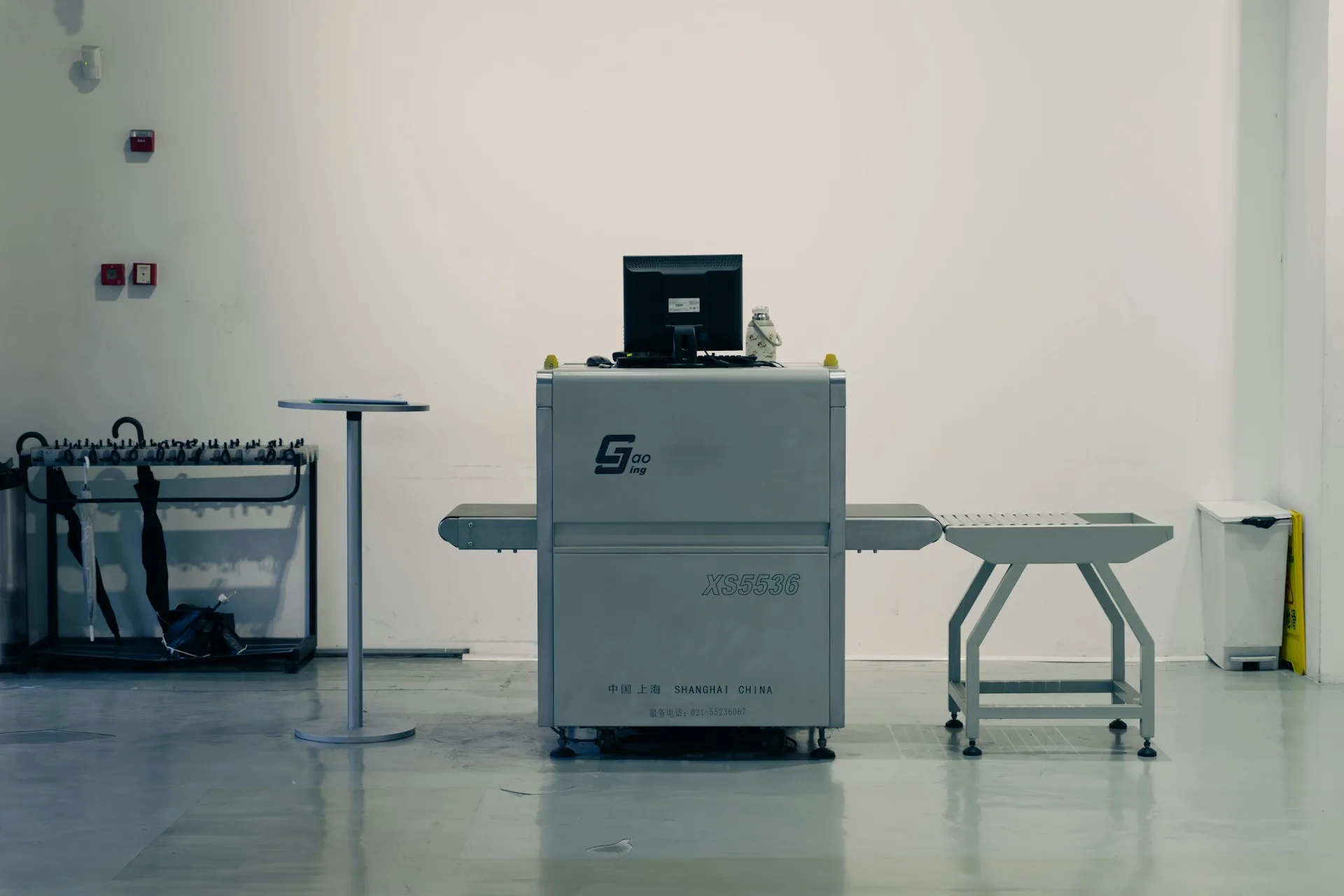
Груз, застрявший на границе при тикающем счётчике, — это кошмар любого импортёра. Пропустите окно декларирования — и штрафы будут копиться каждый день; неверно классифицируете товары — и Вы переплатите пошлину или нарвётесь на досмотр по красному коридору. Таможенное оформление для бизнеса в Грузии более предсказуемо, чем кажется, если разобраться в системе. Вот весь процесс — декларации, документы, пошлина, НДС и то, когда стоит привлечь брокера.
Коротко о главном:
Импортная пошлина делится на три ставки — 0%, 5% или 12% — и примерно 90% товаров оформляются по ставке 0%.
Импортный НДС составляет 18%, начисляется на таможенную стоимость плюс пошлина и акциз.
Декларации подаются в электронном виде через систему eCustoms (ASYCUDA) Службы доходов и автоматически направляются в зелёный, жёлтый или красный коридор.
У Вас есть 30 календарных дней с момента предъявления товаров для подачи декларации (в определённых случаях срок может быть продлён до 90 дней); каждый просроченный день стоит 50 GEL, максимум — 1 000 GEL.
Основные документы: коммерческий инвойс, упаковочный лист, транспортный документ (CMR/AWB/коносамент) и сертификат происхождения, если применяются преференции соглашения о свободной торговле.
Сбор за оформление декларации составляет 5 GEL для грузов стоимостью менее 3 000 GEL и 60 GEL для грузов от 3 000 GEL и выше.
Вы можете декларировать товары самостоятельно или нанять лицензированного таможенного брокера; пока Вы готовитесь, груз может находиться на временном хранении или на таможенном складе.
Как устроено таможенное оформление в Грузии (короткая версия)
Таможенное оформление — это процесс, при котором товары, находящиеся под таможенным контролем, декларируются, оцениваются, облагаются налогами и выпускаются в свободное обращение. Пока этого не произошло, Ваш груз заблокирован на границе или на складе — Вы не можете его продать, использовать или свободно перемещать.
Весь этот процесс держится на четырёх столпах:
Декларирование — Вы сообщаете таможне, что это за товары, откуда они прибыли и сколько стоят.
Таможенная стоимость — сумма, на основе которой рассчитываются Ваши пошлина и НДС.
Оплата — импортная пошлина, 18% НДС и акциз (если применимо).
Выпуск — таможня даёт добро, и товары переходят в Ваше свободное распоряжение.
Для чистого груза со всеми правильными документами оформление обычно занимает от нескольких часов до пары дней. Небрежные документы — вот что превращает дни в недели. Большинство импортёров работают через грузинскую компанию как импортёра, поэтому полезно разобраться в бизнес-структурах в Грузии до того, как прибудет Ваш первый груз.
Перед стартом: что Вам понадобится
Оформление проходит гладко, когда подготовка проведена до прибытия товаров, а не после. Вот что должно быть готово.
Импортёр. Обычно это зарегистрированное в Грузии юридическое лицо — ООО или индивидуальный предприниматель (ИП) — с действующим налоговым номером. Если у Вас его ещё нет, сначала зарегистрируйте ООО или зарегистрируйтесь как малый бизнес; именно с этим лицом будут иметь дело таможня и Служба доходов.
Доступ к системе eCustoms. Декларации подаются через электронную платформу Службы доходов (ASYCUDA World). Доступ предоставляется по письменному запросу (можно в электронном виде) в Службу доходов. Решите этот вопрос заранее — Вы ведь не хотите подавать заявку на доступ в систему в то время, как за контейнер капает плата за хранение.
Статус уполномоченного экономического оператора (AEO), если Вы импортируете часто. AEO — это статус доверенного трейдера для частых импортёров. Он даёт упрощённые формальности и облегчённые процедуры безопасности, что ускоряет повторные оформления. Стоит задуматься об этом, когда у Вас позади будут первые несколько поставок.
Ниже Вы найдёте полный чек-лист документов. Их правильное оформление — это самый важный фактор, определяющий, пролетит ли Ваш груз таможню или отправится на досмотр.
Документы, необходимые для таможенного оформления
Для каждого груза требуется базовый пакет документов. Расхождения между ними (несовпадение веса или стоимости с инвойсом) — главная причина задержек и направления в жёлтый или красный коридор. Следите за тем, чтобы данные совпадали.
Документ | Что это такое | Когда требуется |
|---|---|---|
Коммерческий инвойс | Указывает стоимость, условия продажи и стороны сделки | Всегда |
Упаковочный лист | Содержимое, вес и количество мест | Всегда |
Транспортный документ | CMR (авто), AWB (авиа) или коносамент (море) | Всегда |
Сертификат происхождения | Подтверждает происхождение для преференций по соглашению о свободной торговле | При запросе сниженной или нулевой пошлины |
Классификация по коду ТН ВЭД | Определяет ставку пошлины | Всегда (указывается в декларации) |
Разрешения / лицензии | Фитосанитарные, ветеринарные, санитарные или на товары двойного назначения | Зависит от товара |
Несколько примечаний по сложным пунктам. Сертификат происхождения — это то, что открывает доступ к сниженной или нулевой пошлине по торговому соглашению (например, сертификат перемещения EUR.1 в рамках DCFTA с ЕС). Конкретное доказательство зависит от того, какое торговое соглашение применяется. Без него Вы заплатите стандартную ставку даже за подходящие товары.
Код ТН ВЭД — это классификация, которая определяет Вашу ставку пошлины, поэтому важно правильно определить его до декларирования, а не после.
Разрешения и лицензии применяются к особым категориям — продуктам питания, растениям, животным, лекарствам, а также к контролируемым товарам или товарам двойного назначения. Если Вы импортируете что-то из этих групп, подготовьте разрешение до отправки груза, потому что без него таможня не выпустит товары.
Шаг 1: Прибытие груза и размещение на временное хранение
Когда Ваш груз прибывает в Грузию, он предъявляется таможне и оформляется краткой декларацией (общей декларацией). Это краткое уведомление о том, что товары прибыли — это ещё не полная таможенная декларация.
На этом этапе товары находятся под таможенным контролем на временном хранении. Их нельзя выпустить или использовать, пока они не будут помещены под таможенную процедуру. Временное хранение осуществляется на утверждённых складах, таможенных терминалах или в зонах оформления.
С этого момента начинается отсчёт времени. С момента подачи краткой декларации у Вас есть 30 календарных дней для подачи полной таможенной декларации (подробнее об этом сроке и штрафах читайте ниже). Практический вывод прост: чем быстрее Вы перейдёте к декларированию, тем меньше заплатите за хранение и тем меньше риск получить штраф за несвоевременную подачу.
Шаг 2: Подача таможенной декларации через электронную систему Службы доходов
Это ключевой этап процесса. Декларации подаются в электронном виде через систему eCustoms — платформу Службы доходов на базе ASYCUDA World. Никаких бумажных очередей — декларант отправляет всё онлайн.
В декларации Вы указываете описание товаров, количество, код ТН ВЭД, таможенную стоимость и происхождение, а затем прикрепляете подтверждающие документы. После отправки система автоматически распределяет Вашу декларацию по одному из трёх коридоров:
Зелёный — автоматический выпуск без проверок.
Жёлтый — документальная проверка; таможня проверяет Ваши документы перед выпуском.
Красный — физический досмотр товаров.
Четвёртый коридор, синий, направляет груз на аудит после очистки — товары выпускаются, но сделка проверяется позже. Чистые, последовательные документы гарантируют Вам зелёный коридор, и именно поэтому так важен правильный пакет документов, о котором шла речь выше.
За оформление декларации взимается сбор, зависящий от стоимости груза: 5 GEL для отправлений стоимостью до 3 000 GEL и 60 GEL для товаров стоимостью от 3 000 GEL и выше. Вы можете проверить официальные тарифы на странице таможенных процедур Службы доходов.
Шаг 3: Как определяется таможенная стоимость
Таможенная стоимость — это главный фактор, влияющий на сумму Ваших расходов, так как и пошлина, и НДС рассчитываются от неё. Ошибитесь здесь — и все последующие цифры тоже будут неверными.
Основной метод — это стоимость сделки, то есть цена, фактически уплаченная или подлежащая уплате за товары. К ней Вы добавляете расходы по доставке товаров до границы Грузии: транспортировку, погрузку и разгрузку, страхование, а также любые комиссионные или брокерские услуги. Это база типа CIF, что означает, что стоимость, страхование и фрахт до пункта въезда закладываются в общую стоимость.
Если заявленная стоимость кажется заниженной, таможня может её отклонить и применить альтернативный метод оценки. Грузия следует Соглашению ВТО о таможенной оценке (Статья VII ГАТТ), поэтому методология представляет собой ту же международно признанную иерархию, которая используется в большинстве торговых стран. Эти правила прописаны в статьях 37 и 44 Таможенного кодекса Грузии.
После определения таможенной стоимости рассчитываются пошлина и НДС — это наш следующий шаг.
Шаг 4: Расчёт импортной пошлины (0%, 5%, 12%) и 18% импортного НДС
А теперь о деньгах. К большинству импортных операций применяются два платежа: импортная пошлина и импортный НДС.
Импортная пошлина делится на три ставки — 0%, 5% или 12% — в зависимости от кода ТН ВЭД товара. Примерно 90% товаров облагаются по нулевой ставке, поэтому большинство импортёров вообще не платят пошлину. Более высокие ставки, в основном 5% и 12%, нацелены на категории товаров, которые также производятся внутри страны: сельскохозяйственная продукция, продукты питания, одежда, строительные материалы, древесина, пластик, железо, сталь и мыло. Действующий сертификат происхождения по торговому соглашению может снизить пошлину до 0% — например, соответствующие требованиям товары европейского происхождения могут ввозиться по ставке 0% в рамках DCFTA, тогда как в ином случае они попали бы под ставку 5% или 12%.
Импортный НДС составляет 18%, и он начисляется на таможенную стоимость плюс импортная пошлина плюс акциз (если применимо). Таким образом, НДС рассчитывается после пошлины, а не параллельно с ней.
Акциз — это отдельный сбор с фиксированной или дифференцированной ставкой на определённые товары: алкоголь, табак, топливо, газ и жидкость для электронных сигарет. Если Ваши товары подакцизные, то сумма акциза также добавляется в базу для расчёта НДС.
Вот пример расчёта. Цифры округлены и приведены исключительно для наглядности.
Строка | Сумма |
|---|---|
Таможенная стоимость | 30 000 GEL |
Импортная пошлина 12% | 3 600 GEL |
База НДС (стоимость + пошлина) | 33 600 GEL |
Импортный НДС 18% | 6 048 GEL |
Итого пошлина + НДС | 9 648 GEL |
Для товаров со ставкой пошлины 0% строка пошлины полностью исключается, и Вы платите только 18% НДС от таможенной стоимости.
Стоит отметить: импортный НДС обычно подлежит зачёту (возврату) для плательщиков НДС, так что часто это не окончательные расходы бизнеса, в отличие от пошлины. Как и когда Вы его компенсируете, зависит от Вашего налогового статуса, а это вопрос скорее к бухгалтеру, чем к таможне. Чтобы увидеть картину шире, посмотрите, как работает НДС в Грузии и как устроена налоговая система Грузии, а также воспользуйтесь качественной бухгалтерской поддержкой, чтобы точно вернуть то, что Вам положено.
Шаг 5: Оплата и выпуск товаров
Пошлина, НДС, акциз и сбор за декларацию оплачиваются в связи с подачей декларации до выпуска товаров. Никакое движение невозможно, пока платежи не закрыты.
На практике большинство импортёров заранее переводят средства на свой единый казначейский счёт в Службе доходов. При обработке декларации система автоматически списывает причитающиеся суммы с этого баланса — никаких отдельных платежей по каждой поставке делать не нужно.
Как только всё оплачено и коридор пройден (зелёный — сразу, жёлтый и красный — после успешного завершения проверок), товары выпускаются в свободное обращение и становятся Вашими для использования или продажи. Чтобы разобраться в механизме финансирования этих платежей, посмотрите, как платить налоги через казначейство и как подвязать к этому бизнес-счёт в банке.
Сроки декларирования и штрафы за просрочку
У Вас есть 30 календарных дней с момента предъявления груза (краткой декларации) для подачи полной таможенной декларации. В определённых случаях этот срок может быть продлён до 90 дней. Это правило прописано в статье 78 Таможенного кодекса Грузии.
Если Вы пропустите этот срок, штраф составит 50 GEL за каждый просроченный день, но не более 1 000 GEL в сумме. Этот лимит не даёт штрафу за несвоевременную подачу стать катастрофическим, но он накладывается поверх платы за хранение, которая продолжает копиться за Ваш груз, так что это всё равно те траты, которых лучше избегать.
Штрафы за недостоверное декларирование гораздо более суровы. Неверное декларирование или сокрытие товаров влечёт за собой крупные штрафы, привязанные к сумме недоплаченного налога, и они возрастают при повторных нарушениях. Вывод прост: подавайте документы вовремя, декларируйте честно и не задерживайте груз, чтобы плата за хранение не росла.
Таможенные склады и временное хранение
Существует легальный способ разместить товары без их немедленной очистки, и это полезно гораздо чаще, чем думают импортёры.
Временное хранение — это краткосрочное нахождение товаров под таможенным контролем между их предъявлением и помещением под процедуру. На него распространяется то самое 30-дневное окно декларирования (90 дней в определённых случаях) — это комната ожидания, а не долгосрочное решение.
Процедура таможенного склада работает иначе. Это официальная процедура, позволяющая хранить иностранные товары без уплаты пошлины или НДС до тех пор, пока они не будут выпущены, реэкспортированы или перенаправлены на иную процедуру. Это очень удобно для оптимизации денежных потоков, разделения крупной партии на более мелкие выпуски или хранения товаров в ожидании разрешений или финансирования.
В чём же разница: временное хранение — короткое и до декларирования; процедура таможенного склада — это формальный режим, который можно использовать для более длительного хранения. В любом случае плата за хранение на терминале капает ежедневно, поэтому склад даёт гибкость за определённые деньги. Взвесьте ежедневные расходы и выгоду для кэш-флоу, прежде чем оставлять товар лежать.
Когда использовать таможенного брокера (и когда он не нужен)
В качестве декларанта может выступать либо сам владелец товара, либо лицензированный таможенный брокер. Брокер должен быть зарегистрированным в Грузии юридическим лицом с соответствующей лицензией — он подаёт документы от Вашего имени и берёт на себя техническую работу по классификации и декларированию.
Решение обычно зависит от сложности и ценности груза.
Используйте брокера, если... | Сделайте всё сами, если... |
|---|---|
Это Ваш первый импорт | Груз простой и недорогой |
Классификация по ТН ВЭД вызывает вопросы | Это регулярная поставка, которую Вы уже оформляли |
Товары регулируются законодательством и требуют разрешений | Вы уже точно знаете правильный код ТН ВЭД |
Партия имеет высокую стоимость | У Вас настроен доступ к eCustoms |
Сроки поджимают, а красный или жёлтый коридоры критичны | Товары явно попадают под нулевую ставку и не регулируются |
Для небольших, малоценных отправлений действуют упрощённые правила, поэтому не для каждого груза требуется полноценная процедура оформления.
Мы постоянно видим, что успешная очистка зависит не столько от самой таможенной декларации, сколько от факторов вокруг неё — правильного юрлица, чистой налоговой регистрации, бухгалтерии, которая ведёт учёт импортного НДС, и казначейских балансов, пополненных до прибытия товаров. Наведите порядок в этих основах, и декларирование станет обычной рутиной. Если Вам нужна помощь в их настройке, запишитесь на бесплатную консультацию, и мы разберём Вашу ситуацию.
Нужна защита от ответственности? Откройте ООО.
15% налог на прибыль только на распределения, возможность участия нескольких владельцев. Мы подготавливаем документы, регистрируем в Доме юстиции и организуем ваши налоговые счета. Вам нужно лишь принести паспорт.
Бесплатная консультация
Полностью соответствует
5-дневная настройка
Главные выводы
Сначала проверьте код ТН ВЭД — он определяет ставку пошлины (0/5/12%) и всю Вашу расходную базу.
Оформите доступ к eCustoms/ASYCUDA до того, как товары прибудут, а не после.
Подайте декларацию задолго до окончания 30-дневного окна, чтобы избежать штрафа в 50 GEL/день.
Следите за совпадением данных в инвойсе, упаковочном листе, транспортном документе и сертификате происхождения — любые расхождения ведут к проверкам.
Заявляйте преференциальное происхождение по соглашениям о свободной торговле (например, EUR.1 по DCFTA с ЕС) везде, где у Вас есть на это право, чтобы снизить пошлину до нуля.
Заложите в бюджет 18% импортного НДС, а затем проконсультируйтесь с бухгалтером по поводу его возврата.
Привлекайте брокера для регулируемых, дорогостоящих или первых поставок.
Часто задаваемые вопросы
Сколько времени занимает таможенное оформление в Грузии?
Для чистого груза, отправленного по зелёному коридору, оформление может завершиться за считанные часы или пару дней. Жёлтый и красный коридоры требуют больше времени, так как включают проверку документов или физический досмотр. Главный фактор здесь — Ваши документы: согласованные и полные бумаги гарантируют Вам быструю процедуру.
Какие документы нужны для растаможки в Грузии?
Для каждой поставки Вам понадобятся коммерческий инвойс, упаковочный лист и транспортный документ (CMR для авто, AWB для авиа или коносамент для моря). Добавьте к этому сертификат происхождения, если претендуете на льготы по соглашениям о свободной торговле, а также продуктовые разрешения для регулируемых товаров, таких как продукты питания, растения, животные или лекарства. Код ТН ВЭД указывается в самой декларации. Расхождения в этих документах — основная причина задержек.
Какая импортная пошлина в Грузии?
Импортная пошлина делится на три ставки — 0%, 5% или 12% — в зависимости от кода ТН ВЭД товара. Около 90% товаров облагаются по нулевой ставке, поэтому большинство импортёров не платят пошлину. Более высокие ставки в основном действуют на категории товаров, которые производятся в самой Грузии, такие как сельхозпродукция, продукты, одежда и строительные материалы.
Есть ли импортный НДС в Грузии?
Да. Импортный НДС составляет 18%, начисляется на таможенную стоимость вместе с импортной пошлиной и акцизом. Для компаний-плательщиков НДС он обычно подлежит зачёту (возврату), поэтому часто не является окончательным расходом. Способ его компенсации зависит от Вашего налогового статуса, что стоит обсудить с Вашим бухгалтером.
Как рассчитывается таможенная стоимость?
Таможенная стоимость базируется на стоимости сделки — цене, фактически уплаченной или подлежащей уплате за товар. К ней добавляются расходы на транспорт, страхование, погрузку и брокерские услуги до границы Грузии (на условиях типа CIF). Если заявленная стоимость выглядит заниженной, таможня может применить альтернативный метод оценки согласно статьям 37 и 44 Таможенного кодекса.
Как долго товары могут находиться на временном хранении до оформления?
У Вас есть 30 календарных дней с момента подачи краткой декларации для подачи полной таможенной декларации. В определённых случаях этот срок может быть продлён до 90 дней. В течение этого времени товары находятся на временном хранении под таможенным контролем. Плата за хранение начисляется ежедневно, поэтому чем быстрее Вы растаможите груз, тем меньше заплатите.
Что произойдёт, если я пропущу срок подачи таможенной декларации?
Пропуск срока подачи декларации стоит 50 GEL за каждый просроченный день, при этом максимальный совокупный штраф ограничен 1 000 GEL. Это плата помимо стоимости хранения, которая продолжает расти за всё время ожидания. Штрафы за недостоверное декларирование или сокрытие груза значительно жестче, они привязаны к сумме неуплаченного налога и увеличиваются при повторных нарушениях.
Нужен ли мне таможенный брокер для импорта в Грузию?
Нет, Вы можете выступать декларантом самостоятельно и подавать данные напрямую через систему eCustoms. Услуги лицензированного таможенного брокера полезны при первом импорте, сложной классификации ТН ВЭД, регулируемых товарах, дорогих грузах или жестких сроках. Для простых, недорогих и регулярных поставок, где Вы уверены в коде ТН ВЭД, вполне можно декларировать товары самостоятельно.
Как подать таможенную декларацию в Грузии?
Таможенные декларации подаются в электронном виде через платформу eCustoms Службы доходов, работающую на базе ASYCUDA World. Вы вводите описание товаров, количество, код ТН ВЭД, стоимость и происхождение, после чего прикрепляете подтверждающие документы. При отправке система автоматически направляет декларацию в зелёный, жёлтый или красный коридор.
Каков размер сбора за подачу таможенной декларации?
Сбор за оформление декларации зависит от стоимости груза. Он составляет 5 GEL для отправлений стоимостью до 3 000 GEL и 60 GEL для товаров стоимостью от 3 000 GEL и выше. Этот сбор оплачивается отдельно от импортной пошлины и НДС на товары.
Можно ли снизить или обнулить импортную пошлину?
Да. Действующий сертификат происхождения по соглашению о свободной торговле позволяет снизить пошлину на подходящие товары до 0%. В рамках соглашения DCFTA с ЕС используется сертификат EUR.1; другие торговые соглашения опираются на свои формы подтверждения происхождения. Без соответствующего сертификата Вы будете платить по стандартной ставке даже для товаров, которые в ином случае подлежали бы льготе.