Бизнес и налоги
Как импортировать товары в Грузию: пошаговый гайд
Импорт товаров в Грузию под ключ: зарегистрируйтесь в качестве экономического агента, выберите пункт ввоза, пройдите таможенную очистку и оплатите пошлину плюс 18% НДС. С примером расчёта стоимости.

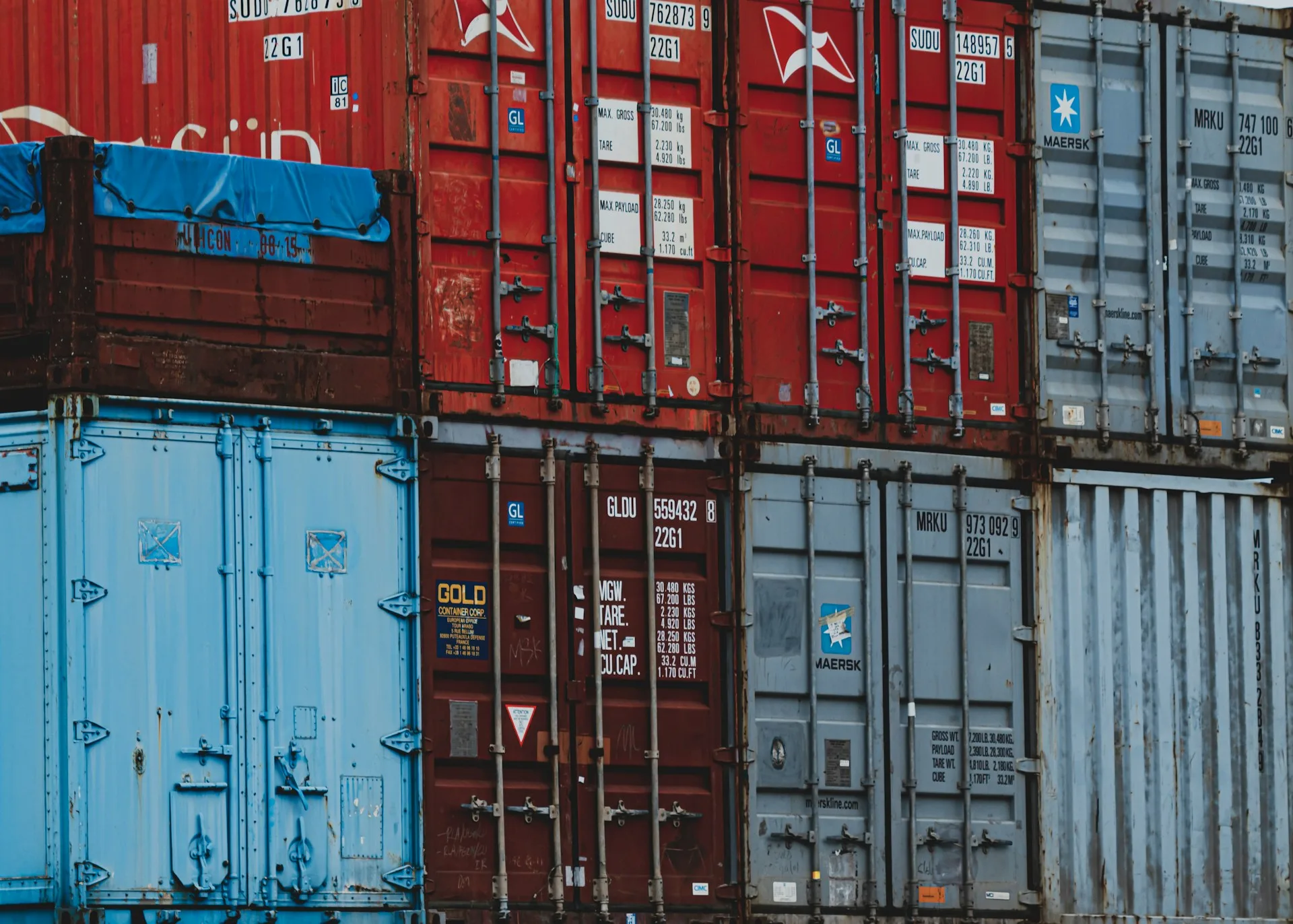
Импорт в Грузию на удивление прост, но последовательность действий часто ставит в тупик новичков. Если Вы организуете доставку до того, как зарегистрируетесь в качестве экономического агента или узнаете ставку пошлины, груз может застрять в порту. Этот гайд шаг за шагом покажет Вам, как импортировать товары в Грузию — от регистрации бизнеса до получения очищенного груза.
Перед началом работы
Импорт проходит наиболее гладко, если заранее подготовить следующее:
Зарегистрированный бизнес с идентификационным номером налогоплательщика.
Чёткое представление о ставке пошлины на Ваш товар и о том, нужна ли для него лицензия.
Поставщик и согласованные условия поставки (Incoterms).
Выбранный пункт пропуска и план транспортировки.
Настройте эти процессы, и прохождение таможни станет рутиной, а не суматохой.
Шаг 1: Зарегистрируйте свой бизнес и станьте экономическим агентом
Каждому, кто занимается коммерческим импортом, необходим зарегистрированный бизнес. При создании компании она автоматически регистрируется в Службе доходов и получает налоговый номер, что делает Вас экономическим агентом, способным растаможивать товары.
Если Вы ещё этого не сделали, наш гайд по открытию импортно-экспортного бизнеса в Грузии детально описывает структуру, расходы и однодневную регистрацию.
Шаг 2: Найдите поставщика и согласуйте условия Incoterms
Найдите поставщика и согласуйте, кто за что отвечает, используя правила Incoterms, такие как FOB, CIF или DDP. Выбранный Вами термин определяет, кто оплачивает фрахт и страховку до границы, а значит, кто контролирует Вашу таможенную стоимость.
Зафиксируйте это в договоре купли-продажи. Это поможет избежать споров в будущем и сделает оценку таможенной стоимости прозрачной.
Шаг 3: Проверьте пошлины, НДС и лицензирование
Перед покупкой подтвердите три вещи: ставку импортной пошлины (0%, 5% или 12%), НДС 18% и необходимость лицензии на продукт.
Большинство товаров ввозятся по ставке пошлины 0% и не требуют лицензии. Небольшой список контролируемых товаров (лекарства, оружие, товары двойного назначения, определённые химикаты и т.д.) требует разрешений. Наш гайд по таможенным пошлинам раскрывает полную картину расходов, а официальные ставки подтверждены на сайте trade.gov.
Шаг 4: Выберите пункт ввоза
Грузия может принимать грузы по морю, суше или воздуху, и этот выбор влияет как на стоимость, так и на скорость доставки.
Пункт ввоза | Тип | Лучше всего подходит для |
|---|---|---|
Поти | Морской порт | Контейнеры и навалочные грузы, самый грузонапряжённый порт |
Батуми | Морской порт | Контейнеры и генеральные грузы |
Сарпи | Суша (Турция) | Автомобильные перевозки, самый оживлённый сухопутный переход |
Красный мост / Лагодехи | Суша (Азербайджан) | Автомобильные перевозки с востока |
Садахло | Суша (Армения) | Автомобильные перевозки с юга |
Тбилиси и Кутаиси | Аэропорты | Срочные или дорогостоящие авиагрузы |
Морской фрахт — самый дешёвый способ для больших объёмов, автомобильный транспорт отлично подходит для региональных поставщиков, а авиаперевозки — для небольших, ценных или срочных грузов.
Шаг 5: Организуйте транспортировку и документы
Забронируйте перевозку и соберите документы, необходимые для Вашей декларации:
коммерческий инвойс,
транспортные документы (CMR, коносамент или авианакладная),
упаковочный лист,
сертификат происхождения, если Вы хотите получить более выгодную (преференциальную) ставку пошлины,
а также фитосанитарный сертификат или разрешение на импорт, если Вы ввозите растения, продукты питания или другие подлежащие регулированию товары.
Полный комплект документов — залог того, что Ваш груз не задержится. Базовые требования перечислены на сайте trade.gov.
Шаг 6: Подайте таможенную декларацию
Когда товар прибывает, импортная декларация подаётся в электронную систему. Служба доходов назначает коридор риска (зелёный, жёлтый или красный), и отправления с низким уровнем риска и чистыми документами проходят таможню быстро.
Вы можете подать декларацию самостоятельно или воспользоваться услугами брокера. Наш пошаговый гайд по подаче таможенной декларации подробно описывает все экраны и поля, а обзор таможенного декларирования в Грузии объясняет сами процедуры.
Шаг 7: Оплатите пошлину и НДС
Оплатите сборы: импортную пошлину, НДС 18% от таможенной стоимости плюс пошлина, акциз (если Ваши товары входят в акцизный список) и фиксированный сбор за таможенное оформление.
Вот простой пример расчёта конечной стоимости для товаров с инвойсом на 20 000 GEL, фрахтом 2 000 GEL и пошлиной 0%:
Статья расходов | Сумма (GEL) |
|---|---|
Таможенная стоимость (товар + фрахт) | 22 000 |
Импортная пошлина (0%) | 0 |
НДС (18%) | 3 960 |
Таможенный сбор | 60 |
Итого к оплате | 4 020 |
Шаг 8: Заберите груз
После оплаты и прохождения контроля (если он проводился) товары выпускаются в свободное обращение, и Вы организуете финальную доставку. Сохраняйте оформленную декларацию и документы на случай последующих проверок.
Повторяйте этот цикл для каждой поставки, и процесс быстро войдёт в привычку. Если Вы не хотите тратить время на изучение всех тонкостей таможни, наши услуги таможенного брокера возьмут на себя классификацию, декларирование и выпуск, чтобы Ваш импорт проходил без задержек.
Нужна защита от ответственности? Откройте ООО.
15% налог на прибыль только на распределения, возможность участия нескольких владельцев. Мы подготавливаем документы, регистрируем в Доме юстиции и организуем ваши налоговые счета. Вам нужно лишь принести паспорт.
Бесплатная консультация
Полностью соответствует
5-дневная настройка
Главные выводы
Сначала зарегистрируйте бизнес и получите налоговый номер; это сделает Вас экономическим агентом, имеющим право на импорт.
Согласуйте условия Incoterms со своим поставщиком, так как они определяют, кто контролирует фрахт, страховку и Вашу таможенную стоимость.
Большинство товаров ввозятся по ставке пошлины 0%, но всегда проверяйте категорию и необходимость лицензии.
Выбирайте пункт ввоза по стоимости и скорости: Поти или Батуми — для больших объёмов, Сарпи — для автодорог, аэропорты — для срочных грузов.
Проходите таможню с полным пакетом документов, чтобы оставаться в зелёном коридоре, а затем оплачивайте пошлину и НДС 18%.
Импорт товара стоимостью 22 000 GEL при пошлине 0% обходится примерно в 4 020 GEL в виде НДС и сборов.
Часто задаваемые вопросы
Как импортировать товары в Грузию?
Зарегистрируйте компанию, чтобы стать экономическим агентом, согласуйте условия с Вашим поставщиком, проверьте пошлину и необходимость лицензии, отправьте груз в пункт ввоза в Грузии, подайте таможенную декларацию и оплатите пошлину плюс НДС 18% для выпуска товара. Большинство товаров ввозятся с пошлиной 0%. Процесс в основном проходит онлайн.
Нужна ли мне компания для импорта в Грузию?
Для коммерческого импорта — да. Зарегистрированный бизнес даёт Вам налоговый номер, который позволяет Вам выступать в качестве экономического агента и растаможивать товары. Регистрация занимает около одного дня и стоит примерно от 100 до 200 GEL.
Сколько стоит импорт товаров в Грузию?
Рассчитывайте на НДС 18% от таможенной стоимости плюс пошлину (если она есть), фиксированный сбор за таможенное оформление в размере 5 или 60 GEL, а также пошлину в размере 0%, 5% или 12% в зависимости от типа товара. Около 90% товаров облагаются пошлиной 0%. Акциз распространяется только на алкоголь, табак, топливо и транспортные средства.
Каковы основные пункты ввоза для импорта?
Морские порты Поти и Батуми обрабатывают большую часть контейнерных перевозок, Сарпи — самый оживлённый сухопутный переход с Турцией, а аэропорты Тбилиси и Кутаиси принимают авиагрузы. Также есть сухопутные переходы с Арменией и Азербайджаном. Выбирайте вариант, исходя из стоимости, объёма и срочности.
Какие документы нужны для импорта в Грузию?
Основной пакет документов включает коммерческий инвойс, транспортные документы и упаковочный лист. Добавьте сертификат происхождения для получения преференциальной ставки, а также фитосанитарный сертификат или разрешение на импорт для растений, продуктов питания и других регулируемых товаров. Разрешения также требуются для контролируемых категорий товаров.
Нужна ли мне лицензия на импорт товаров?
Для большинства товаров лицензия не требуется. Лицензирование применяется только к контролируемым категориям, таким как лекарства, огнестрельное оружие, взрывчатые вещества, радиоактивные материалы, товары двойного назначения и некоторые химикаты. Перед заказом проверьте Ваш продукт по списку контролируемых товаров.
Сколько времени занимает импорт?
После прибытия груза правильно заполненная декларация в зелёном коридоре может быть оформлена в течение нескольких часов. Время доставки в Грузию зависит от Вашего маршрута и поставщика. Таможенный этап редко становится препятствием, если все Ваши документы в порядке.
Могу ли я импортировать товары как физическое лицо, а не как компания?
Импорт для личного пользования и небольшие посылки оформляются иначе, чем коммерческие грузы — зачастую со льготами и по упрощённой процедуре. Для регулярных или коммерческих объёмов зарегистрируйте бизнес, чтобы действовать в качестве экономического агента. Это также позволит Вам возвращать НДС там, где это применимо.
Что такое таможенная стоимость моих товаров?
Это база для расчета пошлины и НДС, равная цене по инвойсу плюс расходы на фрахт и страховку до границы Грузии. Выбранные Вами правила Incoterms определяют, кто оплачивает эти расходы, поэтому их чёткое согласование имеет ключевое значение. Точная оценка стоимости гарантирует корректность начисления пошлин и НДС.
Стоит ли использовать таможенного брокера для импорта?
Это необязательно, но полезно, особенно при первых поставках или при импорте сложных товаров. Брокер берёт на себя классификацию, подачу декларации и выпуск товара, снижая риск задержек из-за ошибок. Многие компании пользуются услугами брокера на старте, а при росте объёмов начинают декларировать товары самостоятельно.