Things to Do
10 Best Museums in Tbilisi: History, Art & Soviet Relics
Discover the 10 best museums in Tbilisi - from Soviet history and ancient gold treasures to wine traditions and digital art. Plan your perfect cultural itinerary.

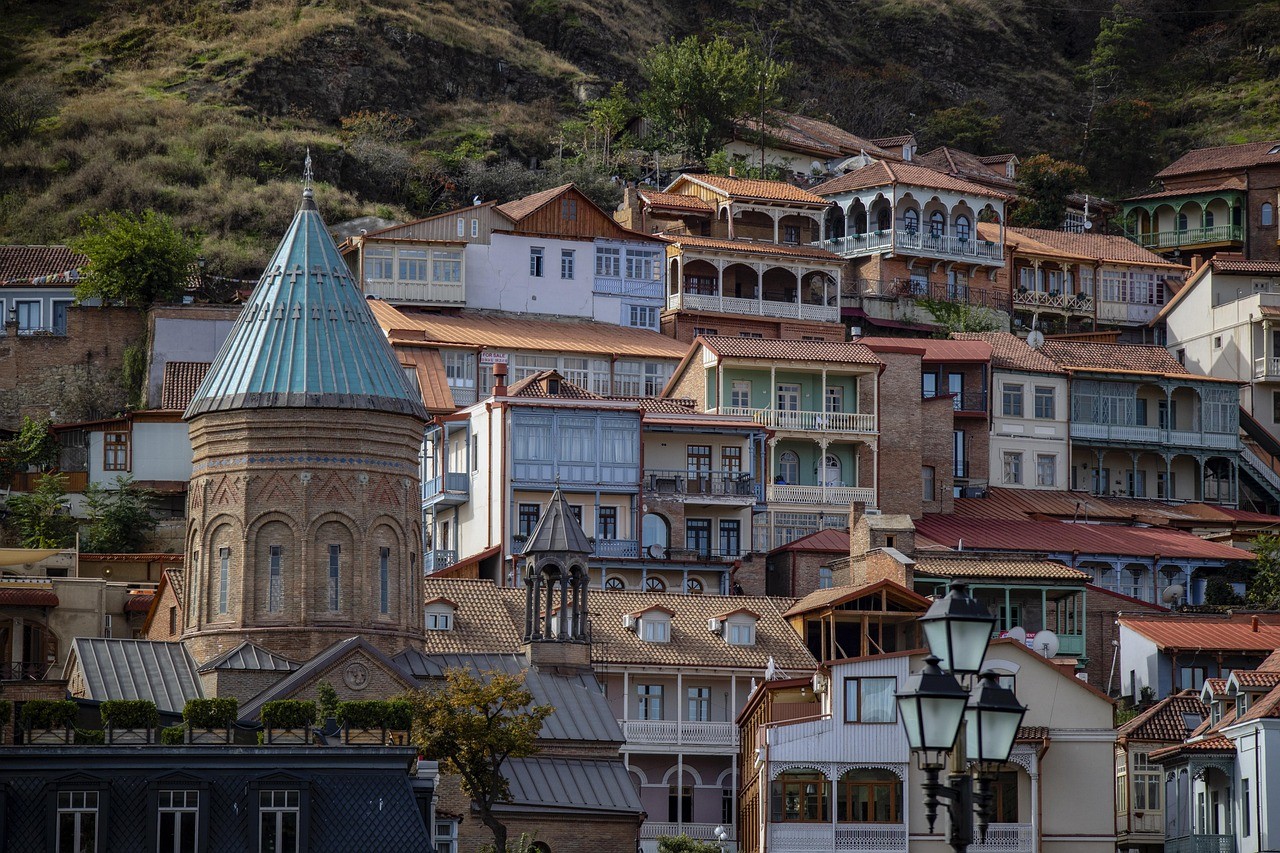
Georgia's capital houses some of the most diverse museum collections in the Caucasus region.
From 1.8-million-year-old human remains to Soviet-era relics, from 8,000-year-old winemaking artifacts to immersive digital art spaces - Tbilisi's museums cover remarkable ground.
Whether you're drawn to medieval goldwork, 20th-century Georgian paintings, or the complicated Soviet period, this guide covers the 10 museums worth prioritizing during your visit.
10 Best Museums in Tbilisi
1. Georgian National Museum (Simon Janashia Museum of Georgia)
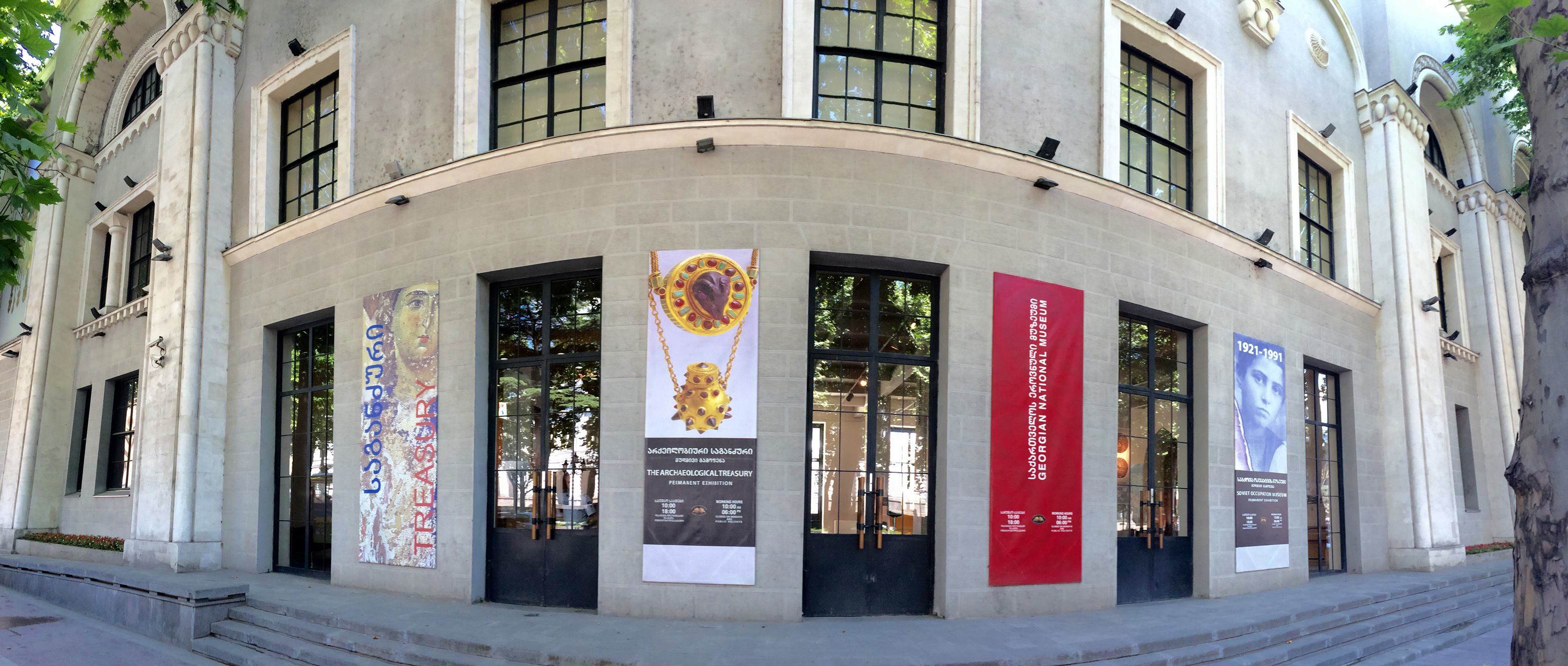
The Georgian National Museum is the flagship institution for understanding this country's layered history. Housed in a grand three-story building on Rustaveli Avenue, it brings together archaeology, natural history, and one of the most moving Soviet-era exhibitions you'll find anywhere.
The Archaeological Treasury in the basement is the star attraction. The gold jewelry collection from the ancient Kingdom of Colchis is genuinely stunning - intricate pieces dating from the 3rd millennium BC that rival anything you'd see in major European museums. I spent over an hour just in this section, admiring the Trialeti Kurgans artifacts and goldwork from Vani.
The fourth floor houses the Museum of Soviet Occupation, a permanent exhibition documenting Georgia's seven decades under communist rule from 1921 to 1991. The space is designed to feel oppressive - mimicking a Soviet prison - and features documents, photographs, and personal belongings of dissidents who were exiled or executed. Give yourself at least 90 minutes to properly absorb this museum, or longer if you want to read everything.
Address: 3 Shota Rustaveli Avenue, Tbilisi
Hours: Tuesday-Sunday, 10:00 AM - 6:00 PM (closed Mondays)
Admission: 10 GEL for adults, 0.50 GEL for students
2. Museum of the Soviet Occupation
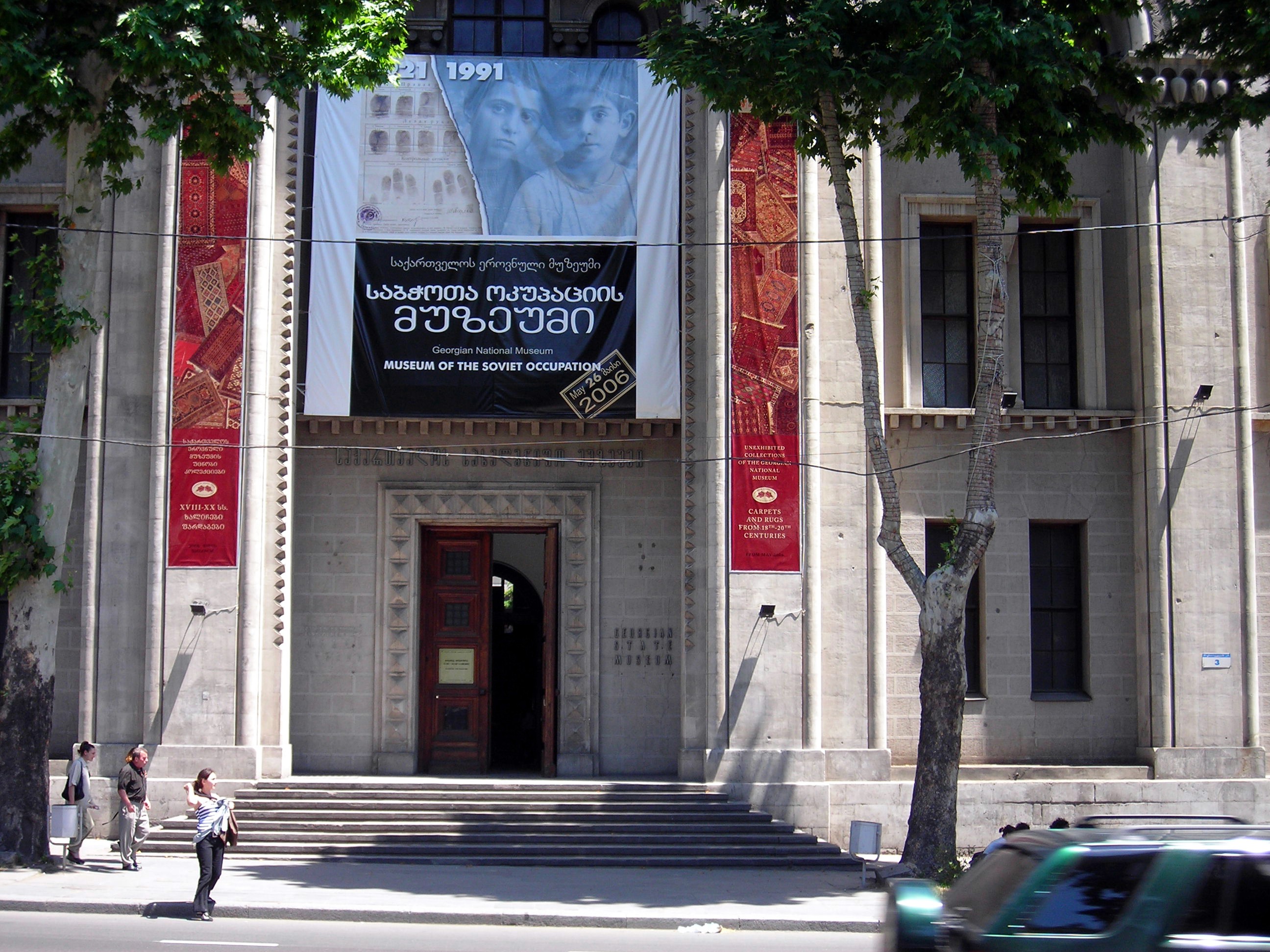
Located within the Georgian National Museum complex, this exhibition deserves its own mention. It's technically part of the same ticket, but many visitors don't realize it exists until they reach the top floor.
The museum opened in 2006 and houses around 3,000 items from Security Service archives, family collections, and other museums. What makes it powerful isn't just the documents and photographs - it's how the curators have arranged everything. The design intentionally creates discomfort, with narrow passages and stark lighting that puts you in a particular headspace.
One section I found particularly affecting focuses on Georgia's German communities during World War II and their deportations. Another highlights Georgian intellectuals, artists, and religious figures who were targeted during Stalin's purges. If you have any interest in 20th-century history, this is a must-see.
Address: 3 Shota Rustaveli Avenue, Tbilisi (inside Georgian National Museum)
Hours: Tuesday-Sunday, 10:00 AM - 6:00 PM (closed Mondays)
Admission: Included with Georgian National Museum ticket
3. Tbilisi History Museum (Karvasla)
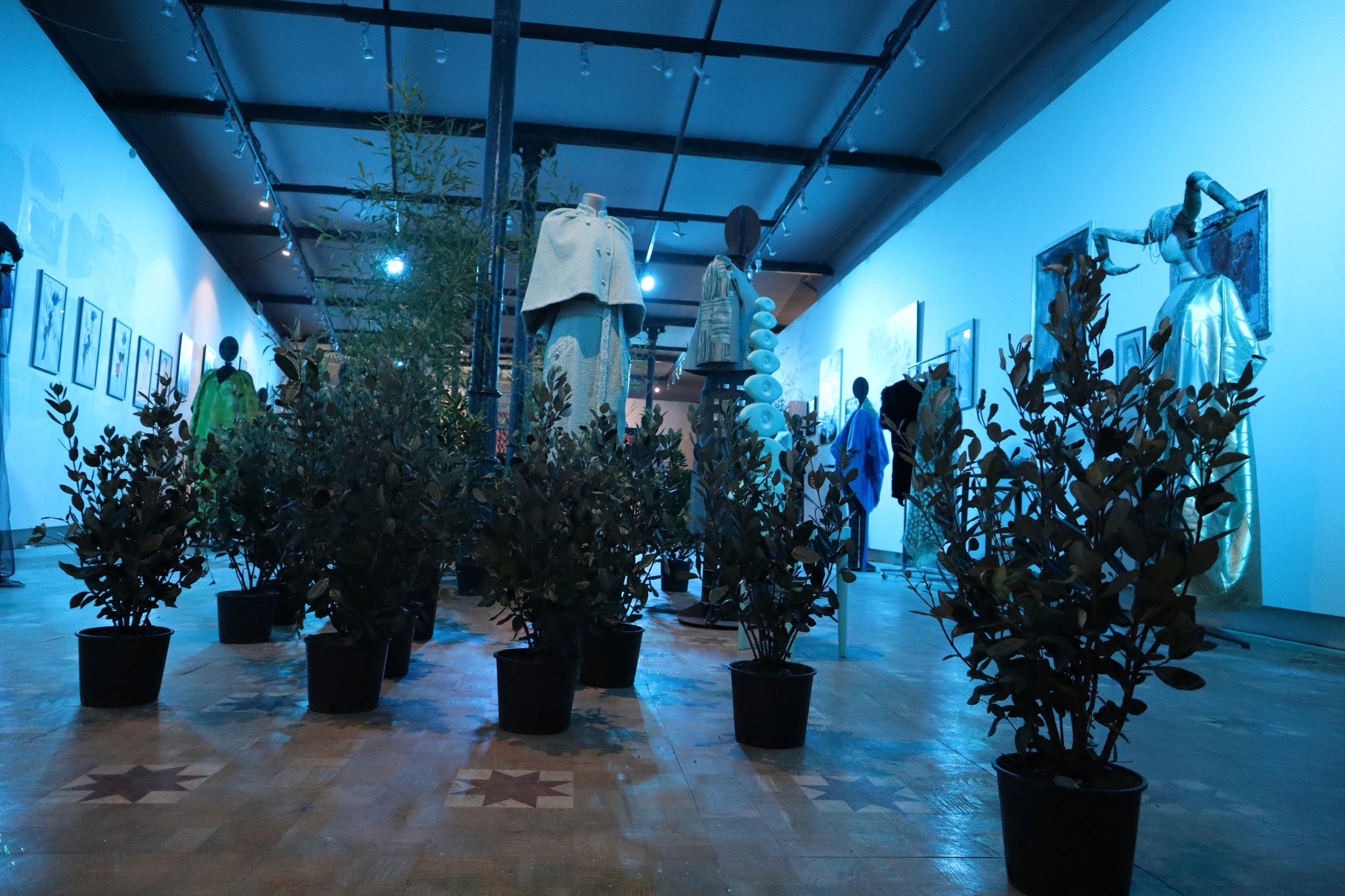
Tucked into Old Tbilisi on Sioni Street, this museum occupies a beautifully restored 17th-century caravanserai - the kind of trading post where Silk Road merchants once rested their camels and made deals. The building itself tells a story about Tbilisi's position as a crossroads city.
The collection spans from the 4th millennium BC to modern times, with over 50,000 artifacts including ceramics, weapons, musical instruments, coins, and textiles. I particularly liked the scale models of historic Tbilisi buildings and the collection of traditional clothing. The museum does a solid job showing how the city evolved from a regional trading hub to a modern capital.
The building has underground tunnels connecting various halls - remnants of the original caravanserai structure. It's worth taking your time to explore the architecture as much as the exhibits. Plan for about an hour unless you're a history enthusiast, in which case you could easily spend two.
Address: 8 Sioni Street, Old Town, Tbilisi
Hours: Tuesday-Sunday, 10:00 AM - 6:00 PM (closed Mondays)
Admission: 5 GEL for adults
4. Art Palace of Georgia - Museum of Cultural History
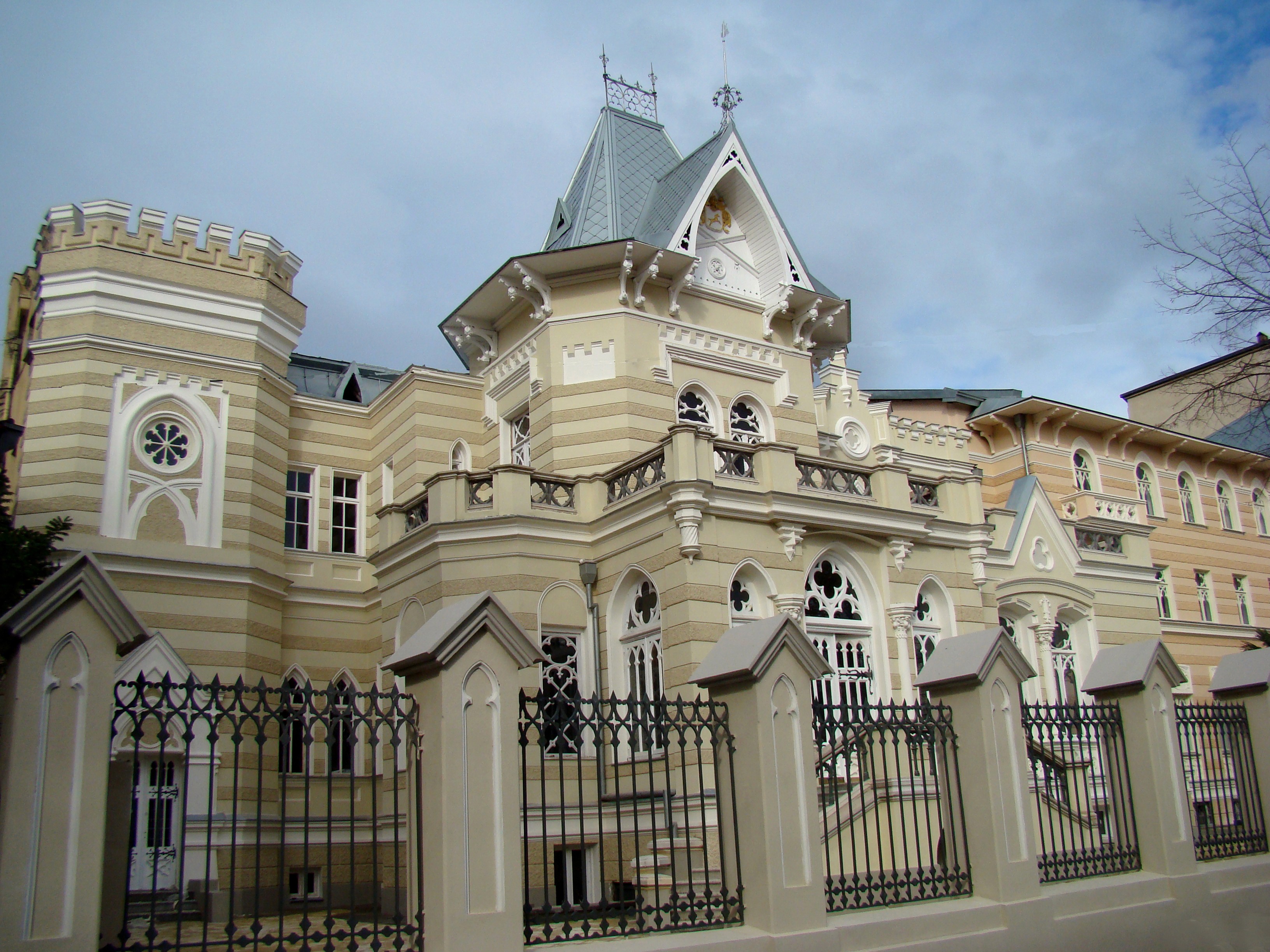
This is one of my favorite museums in Tbilisi, partly because so few visitors know about it. Housed in a stunning Gothic-Moorish palace built in 1895, the Art Palace was originally a gift from German Prince Constantine Oldenburg to his Georgian lover, Agraphina Japaridze - a story that makes the building feel even more romantic.
The museum focuses on Georgian theater, cinema, opera, ballet, and music. It holds over 300,000 objects including costumes, photographs, posters, manuscripts, and personal archives of famous Georgian performers. You'll find Persian miniatures from the 16th and 17th centuries, French engravings from the 18th century, and a fascinating collection of marionettes.
What struck me most were the beautifully preserved interiors - the fireplaces, woodwork, and original details that transport you back to the late 19th century. The Art Palace won the Europa Nostra award in 2018 and was named Best Museum in Georgia in 2021, yet it remains refreshingly uncrowded.
Address: 6 Ia Kargareteli Street, Tbilisi
Hours: Daily, 10:30 AM - 6:00 PM (closed Mondays)
Admission: 5 GEL for all nationalities
5. Shalva Amiranashvili Museum of Fine Arts
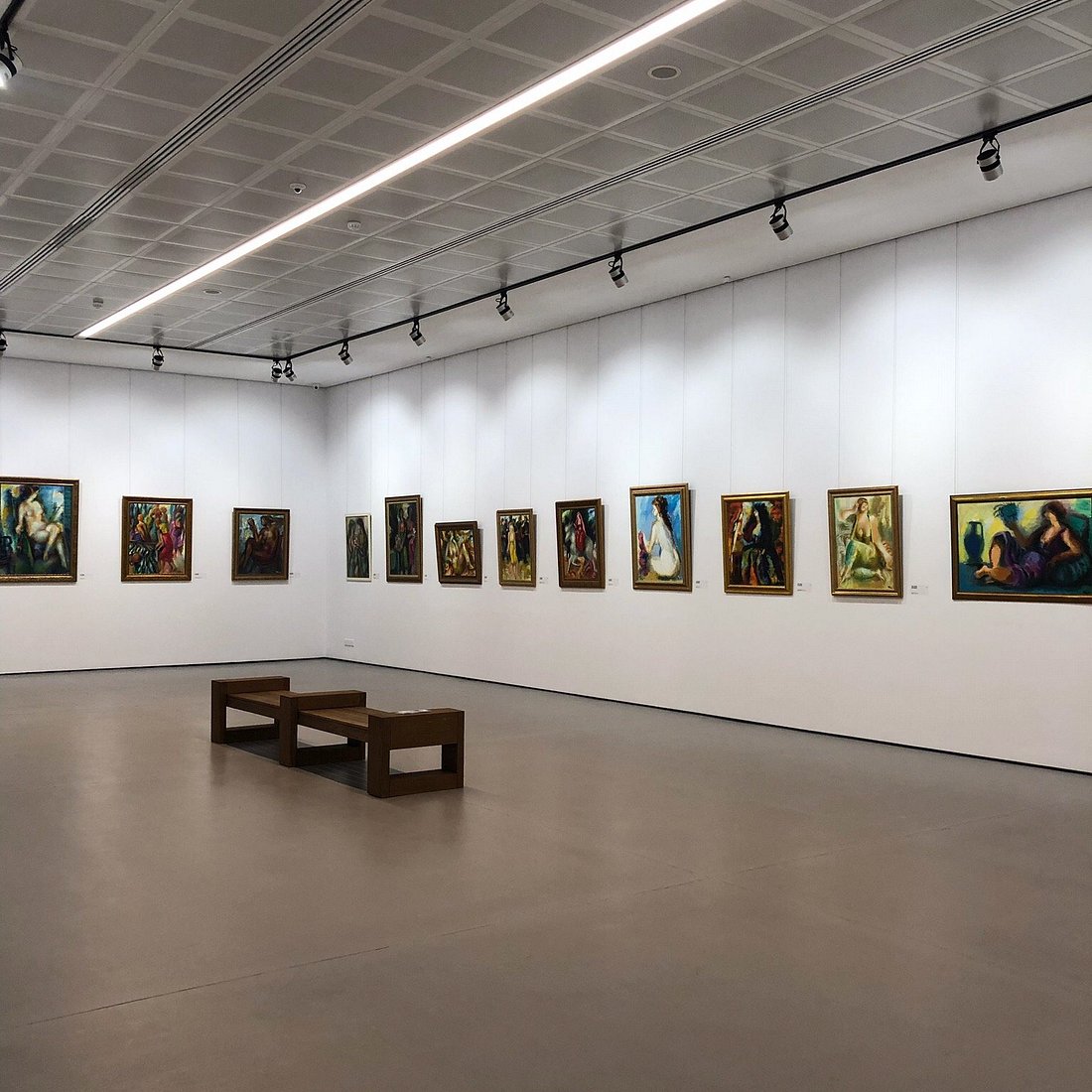
After being closed for nearly a decade, this museum relaunched in October 2024 with a completely renovated gallery space. It's now one of the most modern museum experiences in the city - and home to the largest collection of Georgian art anywhere.
The permanent collection includes around 140,000 items spanning medieval religious art to 20th-century modernism. The highlight for most visitors is the Niko Pirosmani collection - 152 paintings by Georgia's most beloved artist, known for his naive primitivist style that captures village life, animals, and feasts with remarkable directness.
The new gallery space features excellent lighting, accessibility features including tactile copies for visually impaired visitors, and audio descriptions. The medieval Georgian relief sculpture exhibition is particularly well-designed, with dramatic black walls that make the stone carvings really stand out. At 15 GEL, it's the most expensive museum in Tbilisi but worth every bit.
Address: L. Gudiashvili Street 1, near Freedom Square, Tbilisi
Hours: Tuesday-Sunday, 10:00 AM - 6:00 PM (closed Mondays)
Admission: 15 GEL for foreigners, 6 GEL for students
6. National Gallery (Dimitri Shevardnadze Gallery)
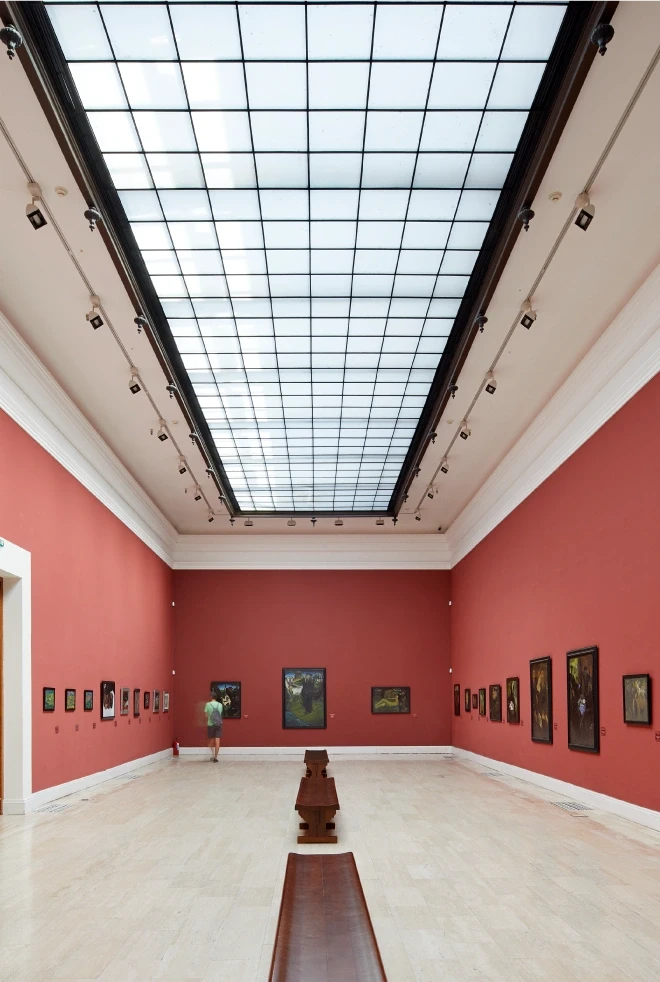
Known locally as the "Blue Gallery" - though the facade is now painted grey - this elegant Baroque-style building on Rustaveli Avenue is one of Tbilisi's most important exhibition spaces. Built in 1888 as a Russian Military History Museum, it was transformed into an art gallery in 1920 under painter Dimitri Shevardnadze.
The permanent collection includes over 30,000 pieces of contemporary Georgian art, with major works by Lado Gudiashvili, Elene Akhvlediani, Davit Kakabadze, and of course Niko Pirosmani. Two exhibition halls have glass ceilings that flood the space with natural light - beautiful for viewing paintings.
The gallery regularly hosts temporary exhibitions from both Georgian and international artists. During my last visit, the Pirosmani section was the clear highlight, with several recently restored panels that hadn't been shown publicly in decades. It's smaller and more focused than the Fine Arts Museum, making it a good option if you only have an hour.
Address: 11 Shota Rustaveli Avenue, Tbilisi
Hours: Tuesday-Sunday, 10:00 AM - 6:00 PM (closed Mondays)
Admission: 5 GEL for adults, 1 GEL for students
7. Open Air Museum of Ethnography
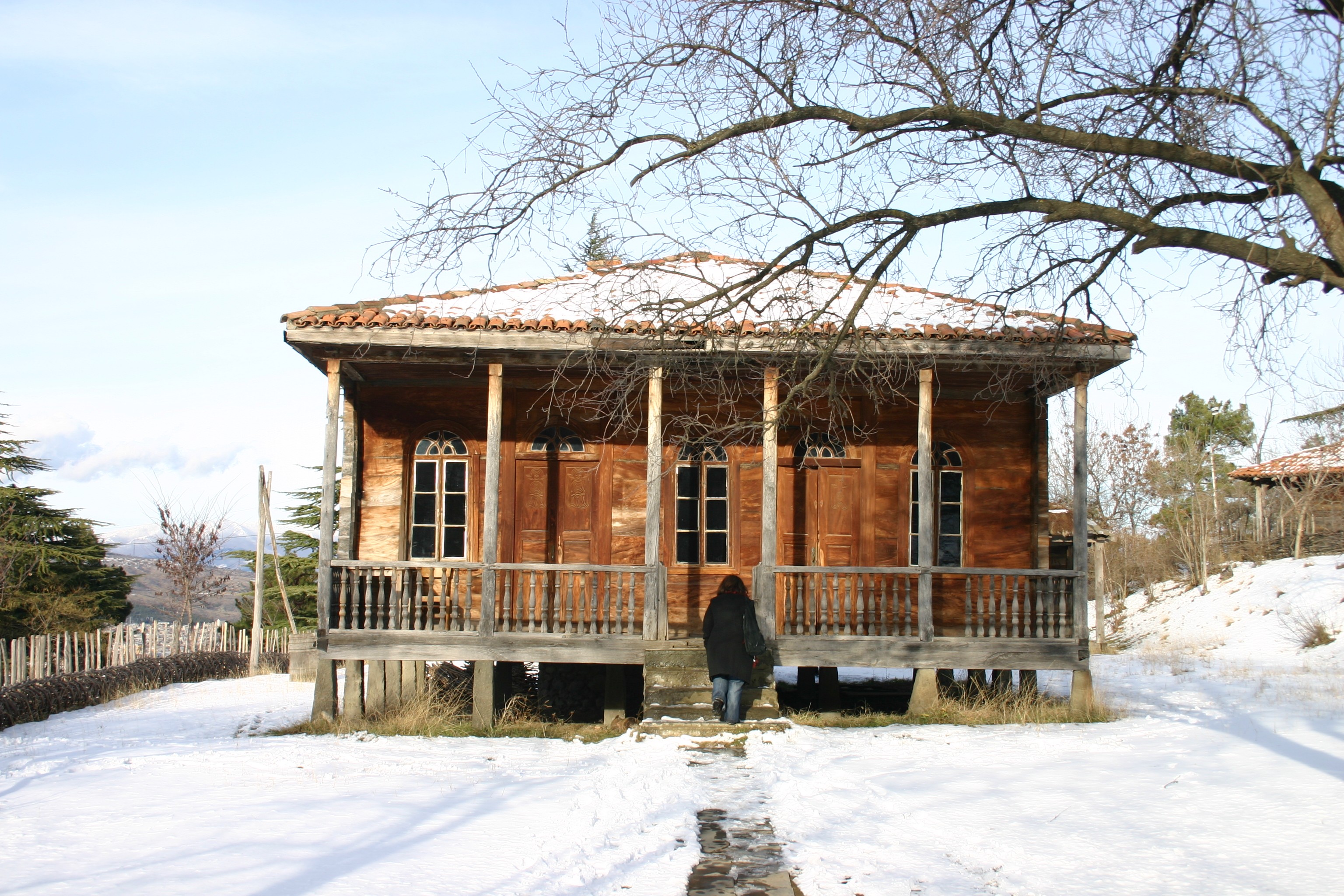
If you want to understand how Georgians lived across different regions and eras without leaving Tbilisi, this 52-hectare outdoor museum is the answer. Founded in 1966 by ethnographer Giorgi Chitaia, it features around 70 traditional buildings relocated from across Georgia - Svanetian defensive towers, Kakhetian wine cellars, Adjaran houses, and more.
The museum is divided into 14 ethnographic zones, each representing a different region. You can walk through actual homes, many staffed by guides who explain daily life, cooking methods, and traditions. The darbaziis (ancient Georgian dugout dwellings) are fascinating - these were hiding places during invasions and still feel remarkably atmospheric.
The setting itself is gorgeous, on a hill between Vake Park and Turtle Lake with views over Tbilisi. Wear comfortable shoes - you'll do a lot of walking. I'd recommend 2-3 hours minimum, or half a day if you want to visit every house and talk to the guides. The annual Art Gene Festival in summer adds traditional craft demonstrations.
Address: Turtle Lake Road, Vake District, Tbilisi
Hours: Tuesday-Sunday, 10:00 AM - 6:00 PM (closed Mondays)
Admission: 5 GEL for adults
8. Tbilisi Wine Museum
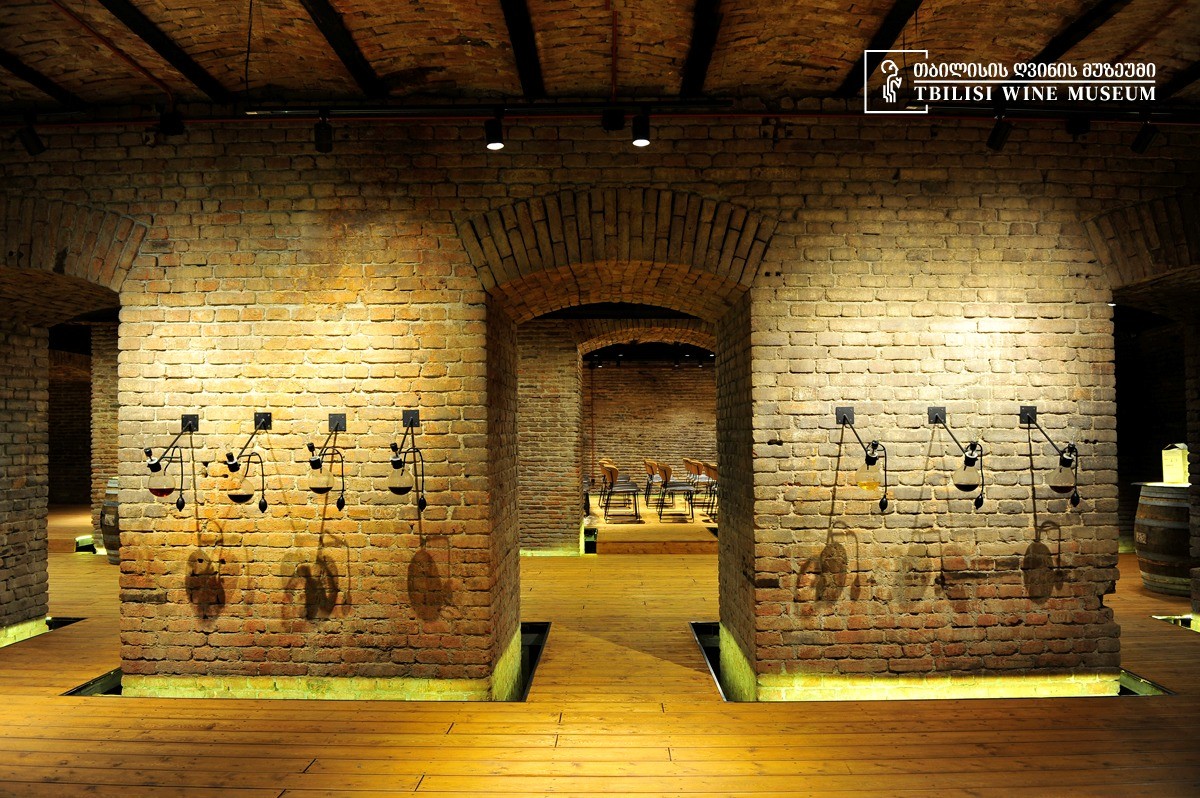
Located in the underground cellars beneath the Tbilisi History Museum, this small museum tells the story of Georgia's 8,000-year-old winemaking tradition. The cellars themselves are part of the original 17th-century Karvasla structure, with halls sitting below the level of the Mtkvari River.
The exhibits include ancient qvevri (the large clay vessels Georgians use to ferment and age wine), drinking horns, grape presses, and copper figurines dating back to the 7th century BC. The famous tamada (toastmaster) figurine has an enlarged replica installed on Sioni Street nearby.
What makes this museum special is the guided experience. The guides are knowledgeable and passionate, explaining how qvevri winemaking differs from European methods and why UNESCO recognized it as intangible cultural heritage. Wine tastings are available and highly recommended. Allow about 45 minutes for the tour.
Address: 8 Sioni Street, Old Town, Tbilisi (beneath Tbilisi History Museum)
Hours: Daily, 11:00 AM - 8:00 PM
Admission: Museum tour from 7-35 GEL depending on tasting options
9. Museum of Illusions
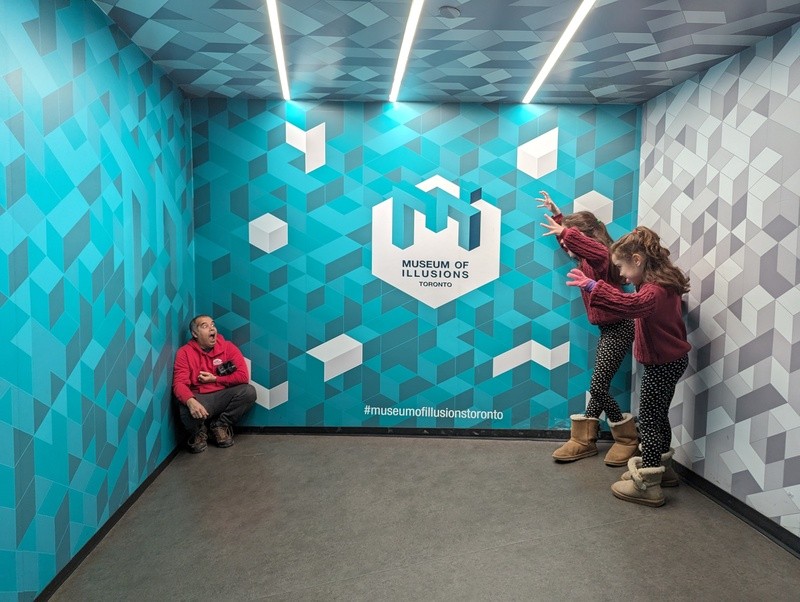
Part of a global franchise that started in Zagreb, the Tbilisi Museum of Illusions is a fun, family-friendly break from traditional museums. Located in a three-story building in Old Tbilisi near Betlemi Street, it's packed with optical illusions, mirror rooms, and interactive exhibits designed to mess with your perception.
The Clone Table, where you appear five times at once, is a popular photo spot. The Vortex Tunnel makes you feel like you're walking through a rotating cylinder even though the floor is perfectly stable. There's also a puzzle game room that will frustrate and entertain you in equal measure.
This isn't a place for deep learning - it's for Instagram photos and laughing with friends. Plan for about an hour. Kids love it, couples enjoy the novelty, and the staff is friendly about helping you get the best shots. It's located next door to the Holoseum, so you can do both on the same visit.
Address: 10 Betlemi Street, Old Town, Tbilisi
Hours: Tuesday-Friday 4:00 PM - 10:00 PM, Saturday-Sunday 1:00 PM - 10:00 PM (closed Mondays)
Admission: Adults 19.5 GEL, children 12.5 GEL, family ticket (2+2) 47 GEL
10. Holoseum (Tbilisi Digital Space)

Sharing the same building as the Museum of Illusions, Holoseum offers an immersive digital art experience that brings Georgian paintings to life. Using 125 projectors across 750 square meters, it animates works by famous Georgian artists like Niko Pirosmani and Lado Gudiashvili.
The museum uses holographic and projection techniques to make you feel like you're stepping inside the paintings. Light, movement, and music combine as you walk through corridors filled with animated versions of beloved artworks. A recent addition features an AI-powered Van Gogh exhibition, similar to immersive experiences you might have seen in other cities.
Holoseum is designed to support local artists and plans to evolve into an open creative space with workshops, film screenings, and yoga classes. It's best experienced slowly - don't rush through. Combined with the Museum of Illusions, you can get a joint ticket for around 30 GEL, which is good value for both.
Address: 10 Betlemi Street, Old Town, Tbilisi
Hours: Tuesday-Sunday, 11:00 AM - 7:00 PM (closed Mondays)
Admission: 25 GEL for Holoseum alone, or combined ticket with Museum of Illusions
FAQ
Are Tbilisi museums open on Mondays?
Most museums in Tbilisi are closed on Mondays. This includes all branches of the Georgian National Museum, the Art Palace, the Open Air Museum, and the National Gallery. A few private museums like the Museum of Illusions may have different schedules, but as a general rule, plan your museum visits for Tuesday through Sunday.
How much does it cost to visit museums in Tbilisi?
Museum admission in Tbilisi ranges from 5 GEL to 30 GEL for foreigners. The Georgian National Museum costs 10 GEL, smaller museums like the National Gallery and Art Palace are 5 GEL, and the recently reopened Fine Arts Museum is 15 GEL. Georgian citizens and students typically receive discounted rates. Children under 6 enter free at most museums.
How much time should I spend at the Georgian National Museum?
Plan for at least 90 minutes to two hours at the Georgian National Museum if you want to see the Archaeological Treasury and Soviet Occupation exhibition properly. History enthusiasts often spend half a day there. The basement treasury alone can take 45 minutes if you read all the descriptions.
Do Tbilisi museums have English information?
Most major museums in Tbilisi have English signage and descriptions. The Georgian National Museum, Fine Arts Museum, and Open Air Museum of Ethnography all provide adequate English information. Smaller museums may have limited English materials, but guided tours in English are available at most venues for an additional fee of 25-45 GEL.
What is the best museum for Soviet history in Tbilisi?
The Museum of Soviet Occupation on the fourth floor of the Georgian National Museum is the definitive resource for Soviet-era history in Tbilisi. It documents the 70 years of communist rule through documents, photographs, and personal artifacts. The exhibition design effectively conveys the oppressive nature of that period.
Is the Open Air Museum of Ethnography worth visiting?
The Open Air Museum is one of Tbilisi's most rewarding attractions, particularly if you want to understand Georgian regional cultures without traveling outside the capital. The traditional buildings, friendly guides, and city views make it worth the 2-3 hours required to explore properly. Wear comfortable walking shoes.
Which museum has the best Georgian art collection?
The Shalva Amiranashvili Museum of Fine Arts holds the largest Georgian art collection, including 152 works by Niko Pirosmani. The National Gallery on Rustaveli Avenue offers a more focused selection of 20th-century Georgian artists. Both are worth visiting if you're interested in Georgian painting.
Can I buy combined tickets for multiple Tbilisi museums?
The Georgian National Museum offers combined ticketing for some of its branches, but generally you'll need separate tickets for each institution. The Museum of Illusions and Holoseum share a building and offer combined admission for around 30 GEL. Ask at each museum about any current package deals.
Are Tbilisi museums accessible for wheelchair users?
Accessibility varies significantly. The recently renovated Fine Arts Museum is fully wheelchair accessible. The Georgian National Museum and National Gallery have limited accessibility due to their older buildings. The Open Air Museum has uneven terrain that makes wheelchair navigation difficult. Contact specific museums in advance if you have mobility concerns.
What are the best museums in Tbilisi for kids?
The Museum of Illusions is the most popular choice for families with children - it's interactive, colorful, and encourages photography. The Open Air Museum of Ethnography works well for kids who enjoy outdoor activities, with houses to explore and occasional demonstrations. Younger children may find traditional art museums less engaging.
When is the best time to visit Tbilisi museums?
Weekday mornings typically see the fewest crowds. The Georgian National Museum and National Gallery get busier on weekends and during peak tourist season from May to October. The Open Air Museum is best visited on clear days since most exhibits are outdoors. Summer months offer the Art Gene Festival with traditional craft demonstrations.
Conclusion
Tbilisi's museums capture Georgia's story from multiple angles - ancient goldwork and medieval stone carvings, Soviet trauma and artistic resistance, traditional village life and modern digital expression. The city offers genuine depth for curious travelers willing to spend time beyond the usual tourist trail. My top recommendations for first-time visitors would be the Georgian National Museum for history, the Art Palace for an unexpected treasure, and the Open Air Museum for a unique outdoor experience.